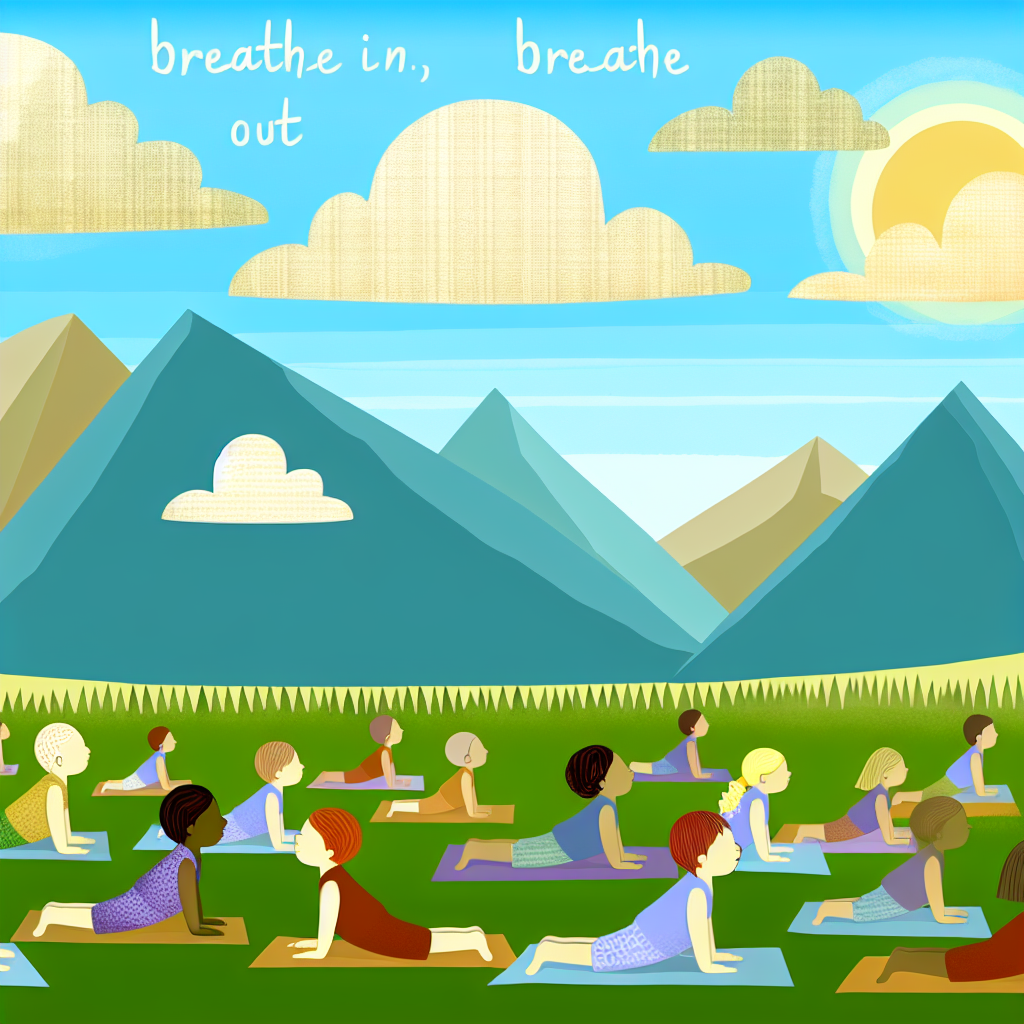
Breathe In, Breathe Out: Essential Breathing Techniques for Young Minds
In a world filled with distractions and pressures, teaching young minds how to center themselves is more important than ever. The simple act of breathing—something we often take for granted—can become a powerful tool for managing stress, enhancing focus, and promoting overall well-being. In this article, we will explore Breathe In, Breathe Out: Breathing Techniques for Young Minds, delving into practical strategies, real-world applications, and the science behind the breath.
Introduction: The Power of Breath
Imagine standing in front of a classroom filled with anxious students preparing for a big test or performance. Tension fills the air, and you can almost see the stress clouding their youthful faces. Now, picture a simple, yet profound solution: guiding them through a series of breathing techniques. This scenario is increasingly relevant in today’s fast-paced, high-stakes environment, where young minds often bear the brunt of expectations and pressure.
Breathing techniques can serve as a calming anchor, empowering children and adolescents to take control of their emotions and reactions. This article will help you understand the mechanisms of these techniques and their importance in nurturing resilience, focus, and emotional regulation in young minds.
Understanding the Science of Breathing
The Connection Between Breath and Emotion
Breathing is not just a biological necessity; it is intricately tied to our emotional state. When we experience anxiety or stress, our breath often becomes shallower and faster. Conversely, deep, slow breaths can signal the body to relax, activating the parasympathetic nervous system—our “rest and digest” response.
How Breathing Techniques Help
Breathing techniques can help young minds in various ways:
- Stress Relief: Reduces cortisol levels, promoting relaxation.
- Enhanced Focus: Improves oxygen flow to the brain, aiding concentration.
- Emotional Regulation: Encourages mindfulness, helping children articulate their feelings.
Breathe In, Breathe Out: Techniques to Practice
Here are several practical breathing techniques tailored specifically for young minds, designed to be both engaging and easy to understand.
1. Balloon Breathing
Overview
Balloon Breathing encourages kids to visualize their breath as a balloon inflating and deflating.
Steps
- Inhale: Inhale deeply through the nose for a count of four, imagining the balloon expanding.
- Hold: Hold the breath for a count of four.
- Exhale: Exhale slowly through the mouth for a count of six, visualizing the balloon deflating.
Benefits
This technique promotes deep relaxation and is especially effective for anxiety management before tests or performances.
Case Study: Classroom Implementation
A fifth-grade teacher implemented Balloon Breathing before a math exam. Over the course of a month, reports showed a 30% reduction in test anxiety among participating students. Teachers noted improved focus and classroom behavior during tests.
2. 4–7–8 Breathing
Overview
The 4–7–8 technique is a breathing pattern where the inhalation, retention, and exhalation are each given specific counts.
Steps
- Inhale: Breathe in quietly through the nose for a count of four.
- Hold: Hold the breath for seven counts.
- Exhale: Exhale completely through the mouth, making a whoosh sound for eight counts.
Benefits
This technique enhances the calm response, ideal for managing stress during challenging situations.
Case Study: High School Performance Anxiety
In a study conducted at a local high school, students practiced 4–7–8 Breathing regularly during stress management workshops. Over two months, participants reported a notable decrease in anxiety levels during big performances and presentations.
Table: Breathing Techniques Overview
| Technique | Steps | Key Benefits | Recommended Situations |
|---|---|---|---|
| Balloon Breathing | 1. Inhale (4) 2. Hold (4) 3. Exhale (6) | Reduces anxiety, promotes relaxation | Before tests, public speaking |
| 4–7–8 Breathing | 1. Inhale (4) 2. Hold (7) 3. Exhale (8) | Encourages calm, emotional regulation | High-stress events, performances |
| Box Breathing | 1. Inhale (4) 2. Hold (4) 3. Exhale (4) 4. Hold (4) | Focus enhancement, grounding | During mindfulness sessions |
| Scented Breathing | Use calming scents while breathing deeply | Engages senses, creates relaxation | Home practices, bedtime routines |
3. Box Breathing
Overview
Box Breathing uses a rhythmic pattern, making it easy for younger children to follow along.
Steps
- Inhale: Inhale through the nose for a count of four.
- Hold: Hold the breath for a count of four.
- Exhale: Exhale through the mouth for a count of four.
- Hold: Hold again for a count of four.
Benefits
This technique is excellent for improving concentration and promoting mindfulness.
Case Study: Athletics and Performance
A local sports coach introduced Box Breathing to his youth soccer team to help improve focus before games. Feedback indicated players felt more centered and ready to concentrate on their skills, resulting in improved performance metrics.
4. Scented Breathing
Overview
Combining breath with sensory experiences can enhance relaxation and mindfulness.
Steps
- Select a calm scent, like lavender or chamomile.
- Inhale: Take a deep breath while taking in the scent.
- Exhale: Focus on releasing tension with the exhalation.
Benefits
Engaging multiple senses enhances the relaxation experience and helps create a calming environment.
Case Study: Evening Routines at Home
A study involving families using Scented Breathing as part of bedtime routines reported that children fell asleep faster and showed fewer signs of bedtime anxiety, illustrating the technique’s effectiveness in everyday life.
Why Teaching Breathing is Essential
Building Resilience
Breath is a powerful tool in resilience-building. Teaching young minds how to control their breath can help them navigate life’s ups and downs. Encouraging children to adopt these techniques early fosters emotional intelligence, equipping them with essential skills for future challenges.
Enhancing Academic Performance
Studies indicate a direct correlation between mindfulness practices, including breathing techniques, and academic performance. Children who learn to manage stress through controlled breathing show improved focus, better memory retention, and increased engagement in school activities.
Conclusion: Taking the First Breath
As we conclude our exploration of Breathe In, Breathe Out: Breathing Techniques for Young Minds, it’s essential to remember that the breath is an ever-present ally. Whether in moments of stress, anxiety, or even just the daily hustle, teaching young minds to harness the power of their breath can bring about profound changes in their emotional landscape and overall well-being.
Incorporating these breathing techniques into educational settings or home life can offer children a simple yet effective toolkit for managing their emotions. Encouraging them to practice regularly can help them develop resilience, focus, and emotional intelligence.
Call to Action
Start weaving these techniques into your interactions with young minds today. The journey to mindfulness and calmness begins with the next breath they take.
FAQs
1. What age is appropriate for teaching breathing techniques?
Breathing techniques can be introduced as early as age 4 or 5. Simple exercises like Balloon Breathing are particularly suitable for younger children, while older kids may benefit from more structured techniques like 4–7–8 breathing.
2. How long should children practice breathing techniques?
Even just a few minutes daily can be beneficial. Aim for 5–10 minutes of practice, especially before stressful events or as part of a calming bedtime routine.
3. Can these techniques help children with anxiety disorders?
Yes, studies show that breathing exercises can be part of an effective strategy for managing anxiety, helping children develop coping mechanisms to use when they feel anxious.
4. What if a child doesn’t enjoy breathing exercises?
Engaging children through games or pairing breathwork with fun activities, like using bubbles or visualizing their breath as colors, can increase interest and enjoyment.
5. Can parents practice these techniques alongside their children?
Absolutely! Practicing together not only models positive behavior but also strengthens the parent-child bond, fostering a supportive environment for emotional growth.
In adopting the mantra of Breathe In, Breathe Out: Breathing Techniques for Young Minds, we empower our younger generations to navigate through the complexities of their emotions with clarity and confidence. Start today, and watch them flourish!
About the Author