Introduction
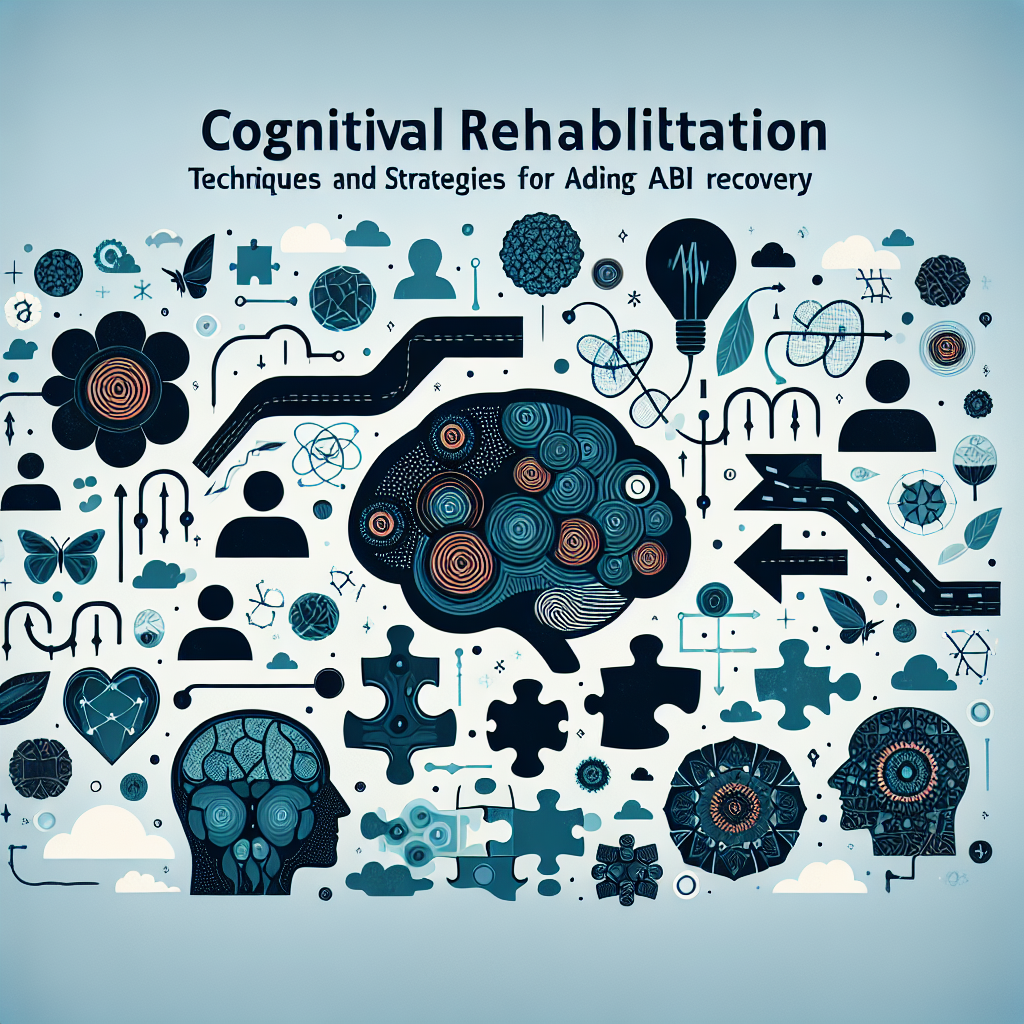
Imagine waking up one day and feeling as if your mind is foggy—simple tasks you once performed effortlessly now require immense effort. For many, this is the reality following an Acquired Brain Injury (ABI). Cognitive rehabilitation emerges as a beacon of hope, offering proven techniques and strategies to navigate the complexities of recovery. This article explores Cognitive Rehabilitation: Techniques and Strategies for ABI Recovery in depth, providing valuable insights and engaging narratives to illuminate this transformative journey.
Understanding Acquired Brain Injury (ABI)
What is ABI?
Acquired Brain Injury refers to any injury to the brain that occurs after birth, primarily resulting from trauma, stroke, or disease. ABI can drastically change cognitive functions, affecting memory, attention, problem-solving, and emotional regulation.
The Importance of Cognitive Rehabilitation
Cognitive rehabilitation is essential for individuals recovering from ABI as it focuses on restoring cognitive abilities and enhancing quality of life. Effective rehabilitation techniques can significantly change outcomes, helping individuals reintegrate into society and reclaim their independence.
Core Techniques in Cognitive Rehabilitation
1. Goal Setting
Setting SMART Goals
The first step in cognitive rehabilitation is establishing clear, achievable goals. SMART goals—Specific, Measurable, Achievable, Relevant, and Time-bound—are foundational in the rehabilitation process. They provide motivation and a clear roadmap for recovery.
Case Study:
Take Sarah, a 34-year-old teacher who suffered a stroke. Through SMART goal setting, she gradually worked on reclaiming her ability to prepare lesson plans. Initially, her goal was to organize materials for a single class within a week, which evolved into full lesson planning over two months. This approach yielded measurable success and boosted her confidence.
2. Cognitive Strategy Training
Strategies and techniques can empower ABI survivors to maximize their cognitive abilities. Here are some effective methods:
- Mnemonic Devices: These memory aids enhance information retention.
- Visualization Techniques: Visualizing information can improve recall.
- Chunking Information: Breaking down complex information into manageable parts simplifies learning.
Analysis:
These strategies can be particularly effective when tailored to an individual’s specific cognitive deficits, ensuring personalized recovery.
3. Task Analysis
Breaking down complex tasks into smaller, manageable steps can facilitate ease of learning and improvement. This method allows individuals to focus on one step at a time, reducing feelings of overwhelm.
Case Study:
John, a 45-year-old engineer recovering from an ABI, struggled with basic household tasks. By analyzing the process of doing laundry step-by-step, he was able to regain independence in daily chores.
Tools and Resources for Cognitive Rehabilitation
1. Digital Applications
Emerging technology offers many resources aiding cognitive rehabilitation. Apps designed for cognitive training can provide engaging platforms to practice skills.
| App Name | Features | Cost |
|---|---|---|
| CogniFit | Games for memory and attention | Free with in-app purchases |
| BrainHQ | Exercises tailored to personal cognitive needs | Subscription based |
| Lumosity | Various brain games focusing on different skills | Free with a premium option |
2. Support Groups
Participating in support groups can provide emotional support and practical strategy sharing, fostering a sense of community during recovery.
3. Professional Help
Collaboration with neuropsychologists and occupational therapists is crucial. These professionals can offer structured and customized rehabilitation programs based on the individual’s cognitive profile.
The Role of Family and Caregivers
Family involvement is pivotal in cognitive rehabilitation. Caregivers can provide immediate feedback, emotional support, and encouragement, all of which can significantly enhance recovery.
1. Creating a Supportive Environment
Caregivers can modify the home environment to reduce distractions, facilitate learning, and support rehabilitation efforts.
2. Educational Support
Helping family members understand cognitive impairments associated with ABI can make interactions more constructive and supportive.
Case Study:
When Lisa’s husband, Tom, suffered an ABI, she educated herself about cognitive rehabilitation methods and created an interactive home environment filled with memory games. Tom’s recovery was supported by her knowledge and patience, illustrating the profound impact family involvement can have.
Measuring Success in Cognitive Rehabilitation
1. Progress Tracking
Keeping notes and logs of improvements can help both individuals and therapists gauge recovery progress. Regular assessments using scales and questionnaires can guide adjustments in rehabilitation strategies.
2. Continuous Adaptation
Cognitive rehabilitation is not linear. Adapting strategies based on progress is vital for effective recovery. Constant feedback allows therapists and individuals to identify barriers and refine techniques.
Inspirational Success Stories
1. Jane’s Journey
At 29, Jane suffered a life-altering ABI. Initially facing severe cognitive deficits, she engaged in an intensive cognitive rehabilitation program focusing on memory and organization skills. Through structured goal-setting and continuous evaluations, Jane reclaimed her job and rejoined her community activities, proving that recovery is indeed possible.
2. Mark’s Transformation
Mark, a 50-year-old veteran, faced challenges following an ABI. Through Cognitive Rehabilitation: Techniques and Strategies for ABI Recovery, he utilized technology and peer support to enhance his skills. His story emphasizes resilience and the power of a positive mindset, motivating others facing similar challenges.
Conclusion
Cognitive rehabilitation following an ABI is not just about recovery; it’s about rediscovering oneself. By employing techniques and strategies tailored to individual needs, the journey can transform obstacles into opportunities for growth. Remember, the path to recovery is not solitary; support from family, friends, and professionals creates a comprehensive network essential for success.
As we’ve explored in Cognitive Rehabilitation: Techniques and Strategies for ABI Recovery, the journey may be fraught with challenges, but the possibilities for rebuilding cognitive function and reclaiming quality of life are boundless. Embrace the journey, set your goals, and remember that every small step is a victory.
FAQs
1. What is cognitive rehabilitation?
Cognitive rehabilitation is a therapeutic approach aimed at improving cognitive functions following brain injuries, focusing on memory, attention, and executive functions.
2. How long does cognitive rehabilitation take?
Duration varies based on individual recovery goals, the extent of cognitive impairment, and adherence to rehabilitation strategies, ranging from a few weeks to several months or years.
3. Can cognitive rehabilitation work for everyone?
While cognitive rehabilitation benefits many individuals, effectiveness can depend on the severity of the ABI and personal engagement in the rehabilitation process.
4. What role do caregivers play in cognitive rehabilitation?
Caregivers provide essential support, encouragement, and a conducive learning environment, enhancing the overall effectiveness of cognitive rehabilitation.
5. What are some resources for cognitive rehabilitation?
Resources include digital applications for cognitive training, professional services from therapists, and supportive community groups for individuals and families affected by ABI.
By understanding and implementing Cognitive Rehabilitation: Techniques and Strategies for ABI Recovery, you empower not only yourself or your loved one but also foster a community of resilience and hope. Each step taken is a testament to the strength of the human spirit. So, take that first step—your journey is just beginning.
About the Author