Introduction
In a world that is continually evolving, the discourse surrounding biological sex is increasingly significant. As discussions about gender identity, sexuality, and biology become more prevalent, it is essential to clarify misconceptions that can perpetuate stereotypes and hinder understanding. Debunking Myths: Common Misconceptions About Biological Sex is crucial not only for personal awareness but also for fostering a more inclusive society. This article aims to dismantle these myths by presenting facts, case studies, and clear insights that illuminate the biological dimensions of sex.
Understanding Biological Sex
Defining Biological Sex
Biological sex refers to the physical and physiological differences between male and female bodies, primarily related to their reproductive systems and secondary sexual characteristics. It is commonly categorized based on the presence of XY chromosomes in males and XX chromosomes in females. However, there are several complexities and variations that challenge these simplistic definitions.
Chromosomal Variations: Beyond XX and XY
While XX and XY are the mainstream categorizations of biological sex, intersex individuals—those born with variations in sex characteristics—illustrate that biological sex is not a binary. The existence of conditions such as Androgen Insensitivity Syndrome (AIS) and Turner Syndrome exemplifies how chromosomal variations can lead to diverse expressions of biological sex.
Common Misconceptions About Biological Sex
Misconception #1: Biological Sex is a Strict Binary
One of the most pervasive myths is that biological sex is strictly binary—either male or female. This notion fails to recognize intersex individuals, who may have a combination of reproductive or sexual anatomy that doesn’t fit traditional definitions.
Case Study: Intersex Awareness
A 2016 study published in the Journal of Endocrinology highlights that approximately 1 in 1,500 to 1 in 2,000 live births result in individuals classified as intersex. This statistic compellingly debunks the myth that biological sex is strictly binary.
Misconception #2: Gender Identity Automatically Matches Biological Sex
Another common misconception is that gender identity—a person’s internal sense of their gender—always aligns with their biological sex. In reality, many transgender and non-binary individuals experience a gender identity that differs from their assigned biological sex.
Case Study: Transgender Athletes
The debate surrounding transgender athletes in competitive sports exemplifies the disconnect between biological sex and gender identity. For instance, the participation of transgender women in women’s sports has sparked numerous discussions regarding fairness and inclusivity. Research shows that when gender-affirming treatments are broad, athletes experience varying degrees of physiological changes over time, complicating the debate about “biological advantage.”
Misconception #3: Biological Sex Determines Behavior
The idea that biological sex directly dictates behavior is an oversimplification. While hormonal differences can influence tendencies, it is essential to consider social, environmental, and cultural factors that contribute to behavioral patterns.
Case Study: Hormones and Aggression
Research published in Psychoneuroendocrinology offers insights into the hormonal influences on behavior, revealing that while testosterone may correlate with increased aggression, numerous studies indicate that societal norms and upbringing significantly shape how these traits manifest.
The Complexity of Biological Sex: A Breakdown
| Aspect | Male (XY) | Female (XX) | Intersex Variations |
|---|---|---|---|
| Chromosome Composition | XY | XX | XXY, XYY, etc. |
| Primary Sexual Organs | Testes | Ovaries | Ovarian/testicular tissue |
| Secondary Traits | Facial hair, deeper voice, muscularity | Breasts, wider hips, menstrual cycle | May not align strictly with male/female norms |
Addressing Additional Misconceptions
Misconception #4: Biological Differences Manifest Only at Birth
Many people assume that biological differences strictly manifest at birth. In reality, many traits evolve throughout life. For example, secondary sexual characteristics develop during puberty, influenced by hormonal changes.
Case Study: Puberty and Development
A longitudinal study on adolescent development published in the American Journal of Public Health explored the timing and social implications of puberty. It demonstrated variation among individuals, especially within intersex communities, showing that biological sex characteristics can create complications in identifying one’s sex at an early age.
Misconception #5: Biological Sex is Immutable
Another myth is that biological sex is unchangeable. While many may believe that sex is assigned at birth, advances in medicine highlight that biological features can be altered through interventions like hormone therapy and surgeries for individuals seeking gender-affirming care.
Case Study: Gender-Affirming Healthcare
A study in The Lancet found that transgender patients who underwent gender-affirming surgical procedures reported higher levels of psychological well-being. This demonstrates that biological sex, while influenced by genetics, can be altered over time through medical intervention.
The Role of Culture and Society
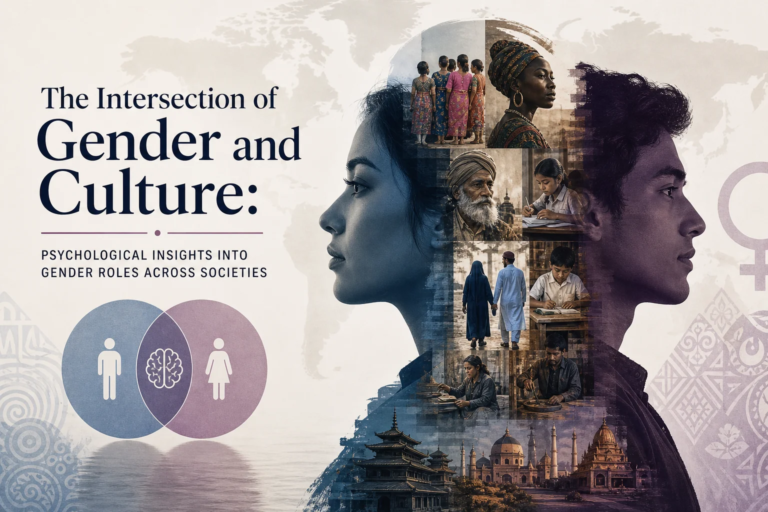
Understanding biological sex also requires examining the cultural narratives that shape perceptions about gender. Different cultures have varied interpretations of biological differences, leading to differing expectations and norms.
Conclusion
In conclusion, Debunking Myths: Common Misconceptions About Biological Sex is a vital endeavor for creating a more informed and accepting society. By acknowledging the complexities of biological sex, we can combat misinformation and foster greater inclusivity.
As we navigate discussions surrounding sex, gender identity, and behavior, it is essential to approach the topic with an open mind and a commitment to ongoing learning. It’s time to replace stereotypes with knowledge and build a foundation of acceptance that reflects the diverse realities of human experience.
FAQs
What is the difference between biological sex and gender?
- Biological sex refers to the physical attributes one is born with, while gender refers to the roles, behaviors, and identities that society associates with being male or female.
Are intersex traits harmful to individuals?
- Intersex traits are not harmful in themselves; however, societal stigma and discrimination can lead to challenges. Thus, education and awareness are crucial.
Can people identify as a different gender than their assigned biological sex?
- Yes, many individuals identify as a different gender than the one assigned to them at birth, a reality that underscores the distinction between biological sex and gender identity.
Is it possible to change biological sex?
- Yes, through medical interventions like hormone therapy and sex reassignment surgeries, individuals can transition to align their physical characteristics with their gender identity.
- How does culture influence perceptions of biological sex?
- Different cultures have unique beliefs and norms regarding gender and biological differences, which impact societal acceptance and individual experiences related to gender identity.
By tackling these misconceptions with facts, studies, and real-world applications, we can advocate for a deeper understanding of the nuanced realities surrounding biological sex. Together, we move toward a world that embraces diversity and champions individuality.
About the Author


The PsyForU Editorial Collective is the research and editorial team of PsyForU Research International. The collective prepares educational, psychological, mental-health-awareness, inclusion, neurodiversity, and research-methodology content for students, parents, educators, researchers, and general readers. PsyForU content is intended for awareness, education, and capacity-building and should not be treated as clinical diagnosis, therapy, medical advice, legal advice, or emergency mental-health support.