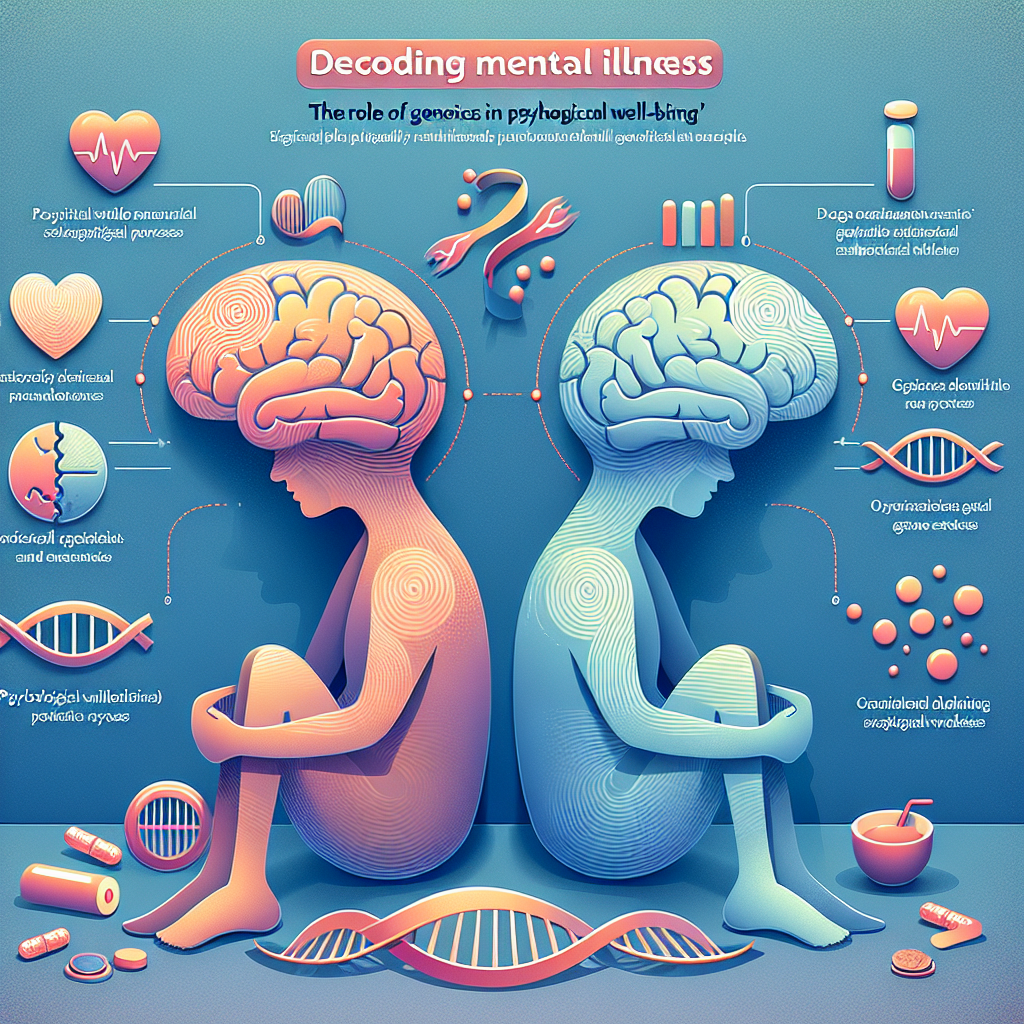
Decoding Mental Illness: The Essential Role of Genetics in Psychological Well-Being
Introduction
Imagine a world where the complexities of mental illness are demystified, where understanding our genetic blueprint can lead to tailored, effective therapies. As we continue to explore the intricate interplay between genetics and psychological well-being, the narrative around mental health is evolving. Decoding mental illness: the role of genetics in psychological well-being is not just a scientific endeavor; it is a quest for compassion and healing. In this article, we’ll dive deep into how our genes shape our minds, exploring the crucial intersections of biological science and mental health.
The Genetic Foundation of Mental Illness
Understanding mental illness through a genetic lens is akin to unlocking a treasure chest of insights. Research indicates that genetics can contribute significantly to the predisposition toward various psychological disorders. Various conditions, including schizophrenia, depression, and bipolar disorder, demonstrate a heritable component, implying that our family histories play a crucial role in our mental health.
The Role of Heritability
Heritability estimates how much genetics contributes to the likelihood of developing a mental illness. A classic example is schizophrenia, which shows a heritability estimate of around 80%. This means that if someone has a first-degree relative with this condition, their risk of developing it is significantly higher.
| Disorder | Heritability Estimate |
|---|---|
| Schizophrenia | 80% |
| Bipolar Disorder | 60% |
| Major Depressive Disorder | 40% |
| Anxiety Disorders | 30% |
Case Study: The Danish Twin Study
One landmark study conducted in Denmark involved twins and methods of genetic analysis. Researchers found that identical twins had much higher concordance rates for schizophrenia than fraternal twins. This compelling evidence underscores the role of genetics in the development of mental illness. It also highlights a nuanced complexity: while genetics plays a role, environmental factors also heavily influence the expression of these traits.
The Genetic Mechanisms Behind Mental Illness
Delving deeper, the question arises: how exactly do genes influence mental health? The science is still developing; however, studies have identified several key players.
- Gene Variation: Single nucleotide polymorphisms (SNPs), tiny variations in our DNA, can influence neurotransmitter pathways that impact mood and behavior.
- Epigenetics: This framework examines how environmental factors can modify gene expression without altering the DNA sequence itself. Stressors, diet, and experiences can cause epigenetic changes that might predispose individuals to mental illness.
- Neurotransmitter Systems: Genetic variations can affect how neurotransmitters like serotonin and dopamine function—crucial players in mood regulation.
The Intersection of Environment and Genetics: Nature vs. Nurture
While genetics lays the groundwork, environmental influences cannot be ignored. The interaction between genes and environment shapes mental health outcomes in profound ways.
Gene-Environment Interactions
Research suggests that certain genetic predispositions may only manifest when paired with specific environmental triggers. For instance, individuals with a family history of depression might only experience symptoms when they face life stressors, such as trauma or chronic stress.
Case Study: Adverse Childhood Experiences and Genetic Risk
A study published in the Journal of the American Medical Association explored how adverse childhood experiences (ACEs) can amplify genetic risks for depression. Children with specific genetic markers who experienced ACEs demonstrated a significantly higher rate of developing depression in their adulthood compared to those who did not experience such stressors. This case illustrates the vital importance of understanding both genetic and environmental contexts in mental health.
Advances in Genetic Research and Their Implications
As we decode mental illness: the role of genetics in psychological well-being, advances in genetic research have paved the way for new treatments and approaches.
Genomic Medicine
The field of genomic medicine is emerging as a powerful tool in mental health treatment. By analyzing an individual’s genetic makeup, healthcare providers can:
- Personalize Treatments: Tailor pharmacological treatments to reduce side effects and enhance effectiveness.
- Preventative Strategies: Identify at-risk individuals and implement preventative measures, such as therapeutic interventions or lifestyle changes.
Case Study: Pharmacogenomics in Action
A remarkable example is the use of pharmacogenomic testing in treating depression. Patients with specific genetic markers affecting drug metabolism can be guided toward the most effective medication tailored to their genetic profile, which dramatically improves outcomes.
The Ethical Considerations in Genetic Testing
As we explore the role of genetics in mental health, ethical implications become paramount. Genetic testing can lead to significant concerns about privacy, discrimination, and psychological impact.
Privacy and Data Security
The potential for genetic discrimination in employment and insurance contexts raises concerns about individuals’ willingness to undergo testing. The Genetic Information Nondiscrimination Act (GINA) in the United States serves to protect individuals from such discrimination, yet questions around data security remain.
Psychological Impact of Genetic Testing
Receiving information about predisposition to mental illnesses can lead to anxiety or fatalism among individuals. Thus, mental health professionals must approach genetic testing with sensitivity and support, ensuring patients are informed adequately and supported emotionally.
Towards a Holistic Understanding of Mental Health
As we decode mental illness: the role of genetics in psychological well-being, it becomes increasingly clear that a holistic approach to mental health is essential.
The Biopsychosocial Model
This model embraces biological, psychological, and social factors affecting mental health, illustrating the complexity of the human experience. No single factor alone determines mental health; it is the interplay of genetics, environmental influence, and psychological resilience that shapes our journeys.
Resilience and Coping Mechanisms
Genetic predisposition does not destiny us to succumb to mental illness. In fact, protective factors such as strong social support, effective coping strategies, and positive thinking can mitigate genetic risks.
Conclusion
Decoding mental illness: the role of genetics in psychological well-being opens up a world of possibilities and hope. While genetics undoubtedly plays a crucial role, it is vital to remember the power of environment, resilience, and community. By embracing a comprehensive understanding that includes both genetics and psychosocial factors, we take significant strides toward creating effective, individualized mental health solutions.
Actionable Takeaway: Advocate for the integration of genetic research into mental health practices and support community programs that promote resilience and coping strategies. Remember, understanding our genetics can empower us, but it is our choices and environment that shape our mental landscape.
FAQs
1. What mental illnesses are known to have a genetic component?
Schizophrenia, bipolar disorder, major depression, and anxiety disorders all show significant genetic links.
2. Can genetic testing predict mental illness?
While genetic testing can indicate predispositions, it cannot definitively predict whether someone will develop a mental illness, as environmental factors play a significant role.
3. How can I support a loved one with a genetic predisposition to mental illness?
Encourage open communication, educate yourself about their condition, and provide emotional support. Professional counseling can also help.
4. What are some protective factors against mental illness?
Strong social support networks, effective coping mechanisms, access to mental health resources, and engaging in positive self-care practices.
5. Will genetic testing for mental illness information be secure?
While laws like GINA protect individuals from discrimination, concerns about data security remain. Choose reputable genetic testing providers that prioritize privacy.
The dialogue around Decoding Mental Illness: The Role of Genetics in Psychological Well-Being is just beginning. As research progresses, it is crucial for all of us—individuals, families, and societies—to foster understanding, compassion, and informed action in the realm of mental health.
About the Author