Introduction
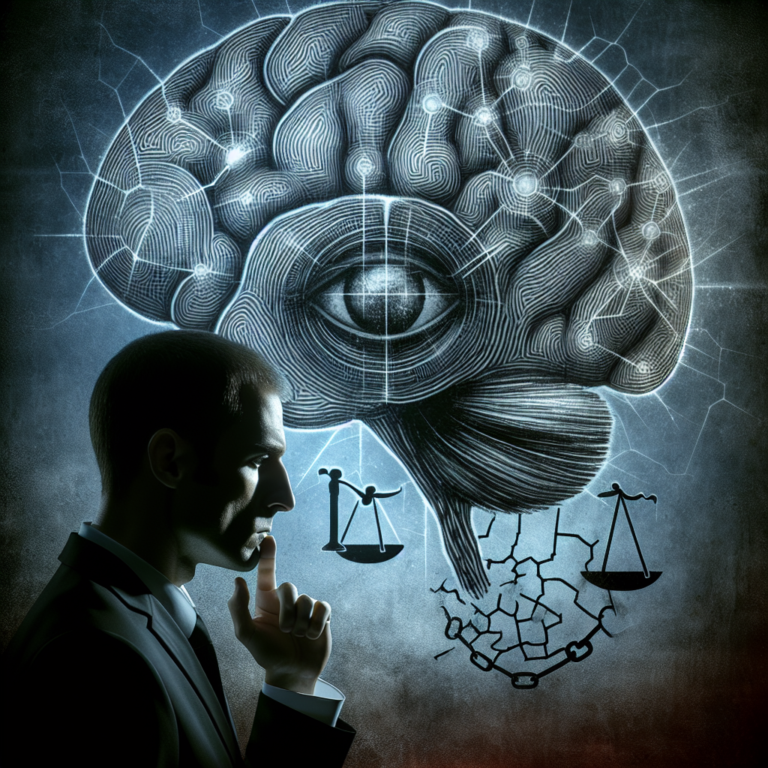
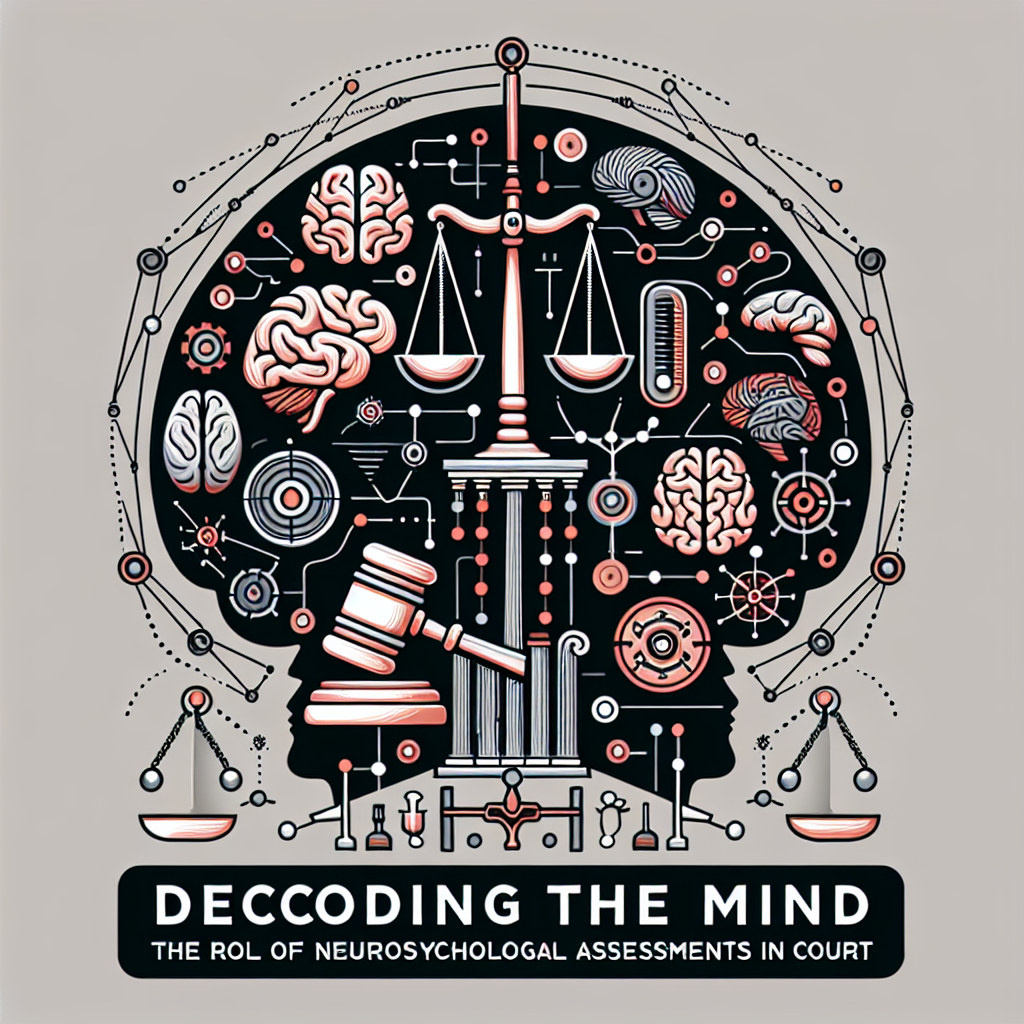
Imagine stepping into a courtroom, the air tense with anticipation. At the center of this legal arena, intricate human minds collide—each one holding secrets, traumas, and histories that could shift the scales of justice. As our understanding of the brain advances, so does our ability to uncover the nuances of human behavior. This is where neuropsychological assessments come into play, acting as a bridge between complex mental realities and legal interpretation. In this article, we will explore the vital importance of these assessments, decoding the mind and their profound impact on court cases.
Understanding Neuropsychological Assessments
What Are Neuropsychological Assessments?
Neuropsychological assessments are a series of tests designed to measure brain function and behavior. These assessments evaluate cognitive abilities such as memory, attention, problem-solving skills, and emotional functioning. Tailored to individuals, these assessments can pinpoint issues that could affect legal matters, such as competency, criminal responsibility, or the effects of traumatic brain injuries.
The Science Behind Neuropsychology
Neuropsychology combines principles from psychology and neuroscience to understand how the brain influences thoughts, emotions, and behaviors. By utilizing a range of tests and standardized assessments, professionals in this field can effectively decode the mind and provide invaluable insights for the court.
The Role of Neuropsychological Assessments in Legal Cases
1. Competency Evaluations
Competency evaluations are crucial in determining whether a defendant can stand trial. These assessments ensure that individuals understand the proceedings against them and can assist in their own defense. A landmark case highlighting this is Indiana v. Edwards (2007), where the Supreme Court ruled that a defendant can be found incompetent even if they can understand the proceedings, underscoring the complexity of competency.
Case Study: The U.S. v. McCoy Case
In the case of U.S. v. McCoy, the court ordered a neuropsychological assessment to determine whether the defendant could comprehend the judicial process due to a history of mental health issues. The assessment revealed cognitive impairments that directly impacted his legal understanding, showcasing how decoding the mind can influence a pivotal decision in court.
2. Criminal Responsibility
Determining criminal responsibility is another significant area where neuropsychological assessments come into play. A thorough assessment can reveal whether a defendant was suffering from a mental disorder at the time of the crime. This was crucial in the case of NGRI (Not Guilty by Reason of Insanity) pleas, where behavior patterns and cognitive evaluations are central to the defense.
Case Study: The John Hinckley Jr. Trial
A prominent example is that of John Hinckley Jr., who attempted to assassinate President Reagan. His neuropsychological evaluation revealed severe mental illness, leading to his acquittal by reason of insanity. This case demonstrates how vital it is to decode the mind when evaluating criminal responsibility.
The Impact of Neuropsychological Assessments on Sentencing
Understanding Mitigating Factors
Neuropsychological assessments can play a crucial role in sentencing by identifying mitigating factors. When defendants display cognitive impairments or mental health issues linked to their behaviors, judges may weigh these factors heavily in their sentencing decisions.
Case Study: The Karla Faye Tucker Case
In the case of Karla Faye Tucker, who was sentenced to death for murder, her neuropsychological evaluation revealed significant psychological issues stemming from her traumatic childhood. While the court still sentenced her to death, the assessment brought attention to her mental state, igniting public debate about the ethics of capital punishment.
Best Practices for Conducting Neuropsychological Assessments
Clinical Interviewing and Background Research
Before any assessment, a comprehensive clinical interview is essential. Alongside background information, this step sets the stage for understanding the context in which the individual operates.
Standardized Testing – The Backbone of Assessment
Standardized tests are the backbone of neuropsychological assessments, providing measurable data. Tests like the WAIS (Wechsler Adult Intelligence Scale) and the MMSE (Mini-Mental State Examination) contribute to an objective understanding of cognitive capabilities.
Analysis and Report Writing
Following the assessment, a thorough analysis is provided in the report. This document should be clear, comprehensive, and tailored to the needs of the court, bridging the gap between the clinical findings and legal considerations.
Ethical Considerations in Neuropsychological Assessments
Informed Consent and Confidentiality
Informed consent is paramount in any neuropsychological assessment. Individuals must be fully aware of the process and implications of the assessment. Furthermore, maintaining confidentiality is crucial to uphold the integrity of the evaluation.
Potential Biases and Misinterpretations
One of the challenges is the potential for biases in interpreting results. Practitioners must approach each case with neutrality, ensuring that their findings are not influenced by external pressures.
The Future of Neuropsychological Assessments in Court
The future looks promising for neuropsychological assessments in the legal system. With continuous advancements in neuroimaging and technology, there is potential for even more detailed insights into cognitive functions. This could lead to a greater understanding of mental disorders and more informed decisions in legal cases.
Advancements in Neuroscience and Legal Outcomes
Neuroscience research is evolving rapidly. As we learn more about how the brain works, the legal community may increasingly rely on neurological findings. This could lead to modifications in laws regarding mental health defenses, competency requirements, and sentencing guidelines, making the task of decoding the mind even more vital in court proceedings.
Conclusion
In conclusion, neuropsychological assessments serve as a crucial tool in the legal field, helping to decode the mind and offering insights that can influence verdicts, competencies, and sentencing. By understanding the complexities of human behavior through these assessments, the judicial system can work towards more just outcomes. As we continue to delve deeper into the workings of the brain, we move closer to bridging the gaps between mental health and legal accountability. It is essential to advocate for the integration of neuropsychology in court, for every mind has a story worth telling.
FAQs
1. What is the difference between neuropsychological assessments and psychological evaluations?
Neuropsychological assessments focus specifically on cognitive functioning linked to brain processes, using specialized tests. In contrast, psychological evaluations may cover broader psychological issues, such as personality assessments.
2. How are neuropsychological assessments used in child custody cases?
In child custody cases, these assessments can provide insights into the mental health of each parent, as well as their cognitive functioning. This, in turn, can influence custody decisions based on the best interest of the child.
3. Can neuropsychological assessments predict future behavior?
While they can offer insights into cognitive capabilities and mental health, they cannot definitively predict future behaviors. However, they can highlight risk factors or tendencies that might be relevant.
4. How long does a typical neuropsychological assessment take?
A comprehensive neuropsychological assessment can take several hours, often conducted over multiple sessions. This includes testing time, clinical interviews, and report writing.
5. Are neuropsychological assessments admissible in court?
Yes, neuropsychological assessments can be admissible in court, particularly regarding competency evaluations and insanity defenses. However, the admissibility often depends on the jurisdiction and specific circumstances of each case.
By shedding light on the crucial role of neuropsychological assessments, we pave the way for a more humane and informed legal system—one that respects the complexities of the human mind.
About the Author