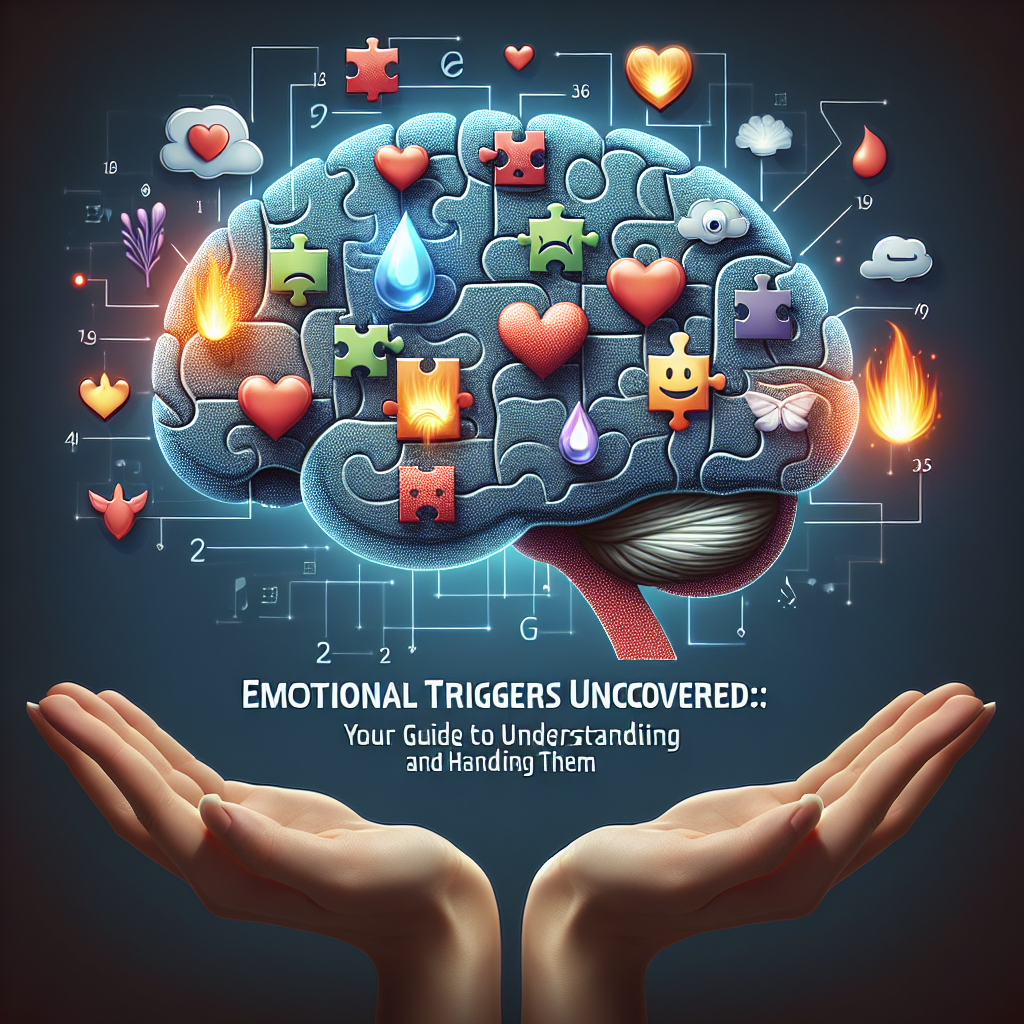
Emotional Triggers Uncovered: Your Ultimate Guide to Understanding and Handling Them
Introduction
In our fast-paced world, emotional triggers can be silent saboteurs of our well-being, leading to unnecessary stress and conflict. Picture this: you’re having a perfectly fine day when, out of nowhere, a seemingly innocent comment sends you spiraling into frustration or sadness. These moments can leave us bewildered, wondering why we reacted so strongly. Understanding emotional triggers is not just a self-help cliché; it’s a crucial skill for emotional intelligence and personal growth. This guide, Emotional Triggers Uncovered: Your Ultimate Guide to Understanding and Handling Them, will explore what emotional triggers are, how they impact our lives, and strategies for managing them effectively. Let’s dive deep into the invisible currents of our emotions!
What Are Emotional Triggers?
Understanding the Concept
Emotional triggers are stimuli—be they words, situations, or memories—that provoke strong emotional reactions. They are unique to individuals and can stem from past experiences, relationships, or societal pressures. For instance, someone who faced criticism as a child may react defensively when receiving feedback in adulthood. Emotional triggers can manifest in various ways: anger, sadness, anxiety, and even joy.
The Science Behind Triggers
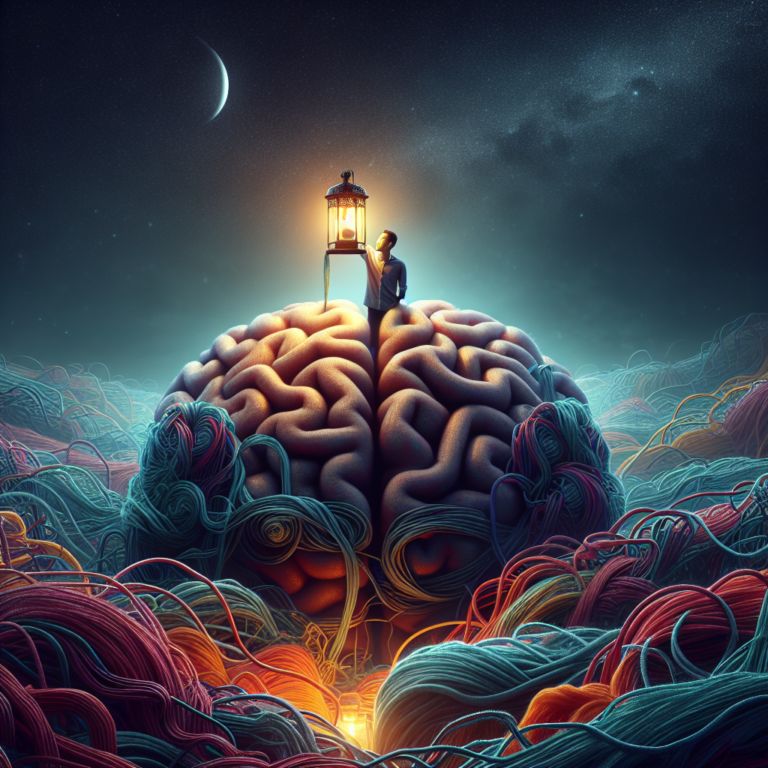
The brain plays a vital role in emotional triggering. When faced with a stimulus, our amygdala, the emotional center of the brain, kicks into gear. It processes threats and elicits emotions before the rational part of our brain can intervene. This primal response system helps protect us, but it can also lead to irrational reactions. According to a study in Psychological Science, our brain’s response time to emotional stimuli is faster than our ability to think rationally, emphasizing the importance of understanding our triggers.
Identifying Your Emotional Triggers
Self-Reflection Techniques
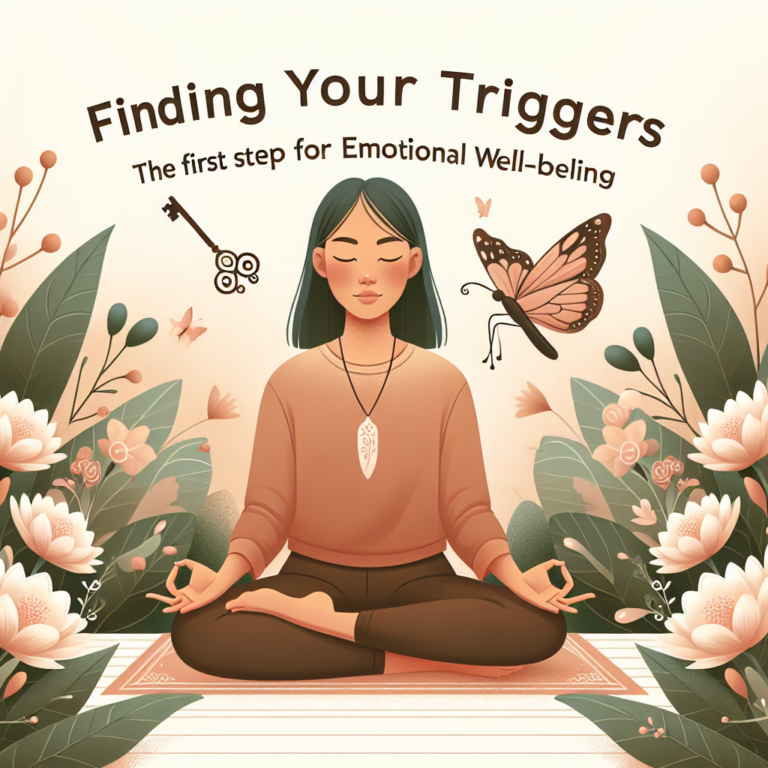
Identifying emotional triggers is the first step toward managing them. Here are some effective techniques:
- Journaling: Keep a daily journal to record situations that provoke strong emotional reactions. Over time, you’ll begin to see patterns.
- Mindfulness Meditation: Practicing mindfulness increases your awareness of emotional states, helping you identify triggers as they arise.
- Therapeutic Techniques: Engaging in therapy (e.g., Cognitive Behavioral Therapy) can assist you in uncovering deeper emotional triggers.
Case Study Analysis
Case Study: Sarah’s Journey
Sarah, a 35-year-old marketing professional, often found herself in heated arguments with her teammates. After keeping a journal, she discovered that her anger was triggered by any form of criticism. With the help of a therapist, she recognized that this reaction stemmed from her childhood experience of harsh parental expectations. By addressing this root cause, Sarah learned to receive feedback more calmly, transforming her workplace interactions.
| Trigger Type | Source of Trigger | Reaction | Outcome |
|---|---|---|---|
| Criticism | Childhood experiences | Anger | Frequent conflicts in her job |
| Isolation | Past relationship betrayals | Sadness | Withdrawal from social circles |
Handling Your Emotional Triggers
Developing Coping Strategies
Once you’ve identified your triggers, the next step is to develop coping strategies. Here are some effective techniques:
- Pause and Breathe: In moments of trigger-induced emotions, take a moment to breathe deeply before responding. This can diffuse the immediate emotional reaction.
- Reframing Thoughts: Challenge and reframe negative thoughts associated with your trigger. For instance, instead of thinking, "I am always criticized," try "I am learning from feedback."
- Seek Support: Talking to friends, family, or a therapist can provide perspective and help you navigate your emotions more effectively.
Case Study Analysis
Case Study: Tom’s Transformation
Tom, a 42-year-old father of two, often reacted with frustration when his children disobeyed. After identifying this trigger during therapy, he implemented a strategy of pausing and breathing before reacting. The next time his children made a mess, he took a deep breath, collected his thoughts, and calmly discussed the issue rather than erupting in anger. This strategy not only improved his parenting but also fostered a more positive family dynamic.
The Role of Emotional Triggers in Relationships
Interpersonal Dynamics
Emotional triggers don’t exist in a vacuum; they significantly impact our relationships. A partner’s emotional trigger can clash with your own, leading to misunderstandings. Understanding each other’s triggers can facilitate healthier communication.
Communicating Triggers
Having open conversations about your triggers with loved ones creates a supportive environment. Share your experiences and encourage them to express their triggers, fostering empathy and connection.
Case Study Analysis
Case Study: Rachel and David
Rachel and David, a couple married for five years, often faced conflicts during arguments. By sitting down to discuss their emotional triggers, Rachel revealed that conflict reminded her of familial strife, making her defensive. Meanwhile, David’s triggers stemmed from feeling neglected. Acknowledging these dynamics allowed them to approach future arguments with understanding, transforming their relationship.
| Relationship Aspect | Common Trigger | Impact | Resolution Approach |
|---|---|---|---|
| Arguments | Childhood family conflicts | Miscommunication | Open discussions about triggers |
| Affection | Feeling neglected | Resentment | Scheduled quality time to reconnect |
The Importance of Emotional Intelligence
Understanding Emotional Intelligence (EI)
Emotional intelligence refers to the ability to recognize, understand, and manage our own emotions while also being aware of the emotions of others. High EI can lead to better relationships, improved mental health, and increased resilience.
Emotional Triggers and EI
Understanding emotional triggers is essential to enhancing emotional intelligence. By acknowledging and managing your triggers, you foster empathy and improve your interactions with others. This is a vital skill in both personal and professional contexts.
Practical Tools for Managing Emotional Triggers
Techniques You Can Use
- Grounding Exercises: Techniques such as the 5-4-3-2-1 grounding exercise can bring you back to the present moment, reducing the impact of triggers.
- Positive Affirmations: Develop positive affirmations to counteract negative thoughts associated with triggers.
- Creative Outlets: Channeling emotions through art, writing, or music can provide a cathartic release.
| Tool | Description | Use Case |
|---|---|---|
| Grounding Exercises | Techniques to remain present | Managing panic attacks |
| Positive Affirmations | Positive statements to counter negativity | Overcoming self-doubt |
Conclusion
Understanding and handling emotional triggers is a powerful journey toward personal growth and improved emotional health. By identifying your triggers, developing coping strategies, and enhancing emotional intelligence, you pave the way for more profound connections and resilience. The guide Emotional Triggers Uncovered: Your Ultimate Guide to Understanding and Handling Them serves as a pathway to self-discovery and emotional mastery. The journey may not always be easy, but the rewards—inner peace, better relationships, and self-acceptance—are more than worth the effort. Start today, and take control of your emotional landscape!
FAQs
1. What are emotional triggers?
Emotional triggers are stimuli that elicit strong emotional responses, usually related to unresolved past experiences.
2. How can I identify my emotional triggers?
You can identify your emotional triggers through journaling, mindfulness practices, and therapy.
3. How can I manage my emotional triggers effectively?
Develop coping strategies like mindfulness, breathing exercises, positive reframing, and seeking support.
4. How do emotional triggers affect relationships?
Emotional triggers can lead to misunderstandings and conflicts in relationships. Open communication about triggers can enhance understanding and empathy.
5. What role does emotional intelligence play in handling triggers?
Emotional intelligence helps you recognize and manage your emotions, facilitating better responses to triggers and improving interpersonal relationships.
This comprehensive guide on Emotional Triggers Uncovered: Your Ultimate Guide to Understanding and Handling Them offers valuable insights and actionable strategies for anyone looking to foster emotional well-being and healthier relationships. Ready to start your journey toward emotional mastery? Let’s get started!
About the Author


Dr. Emily Bennett, Clinical Psychology and Mental Health
Dr. Bennett is a licensed clinical psychologist with extensive experience in treating individuals dealing with anxiety, depression, and other mood disorders. She provides insightful content on mental health management, therapy techniques, and coping strategies.