Introduction
In the rapidly evolving landscape of healthcare, where personalized services and individual empowerment have become paramount, understanding one’s functional capabilities is more than just beneficial—it is essential. Empowering Individuals: The Role of Functional Assessment in Client-Centered Care underscores the significance of evaluating an individual’s functional abilities to tailor care that resonates with their unique needs and aspirations. As we delve into this vital topic, it becomes clear that effective functional assessments do not just inform practice—they empower clients by placing them at the core of their care journey.
The Significance of Functional Assessment in Healthcare
Understanding Functional Assessment
At its core, a functional assessment evaluates a person’s ability to perform daily activities essential for independent living and quality life. This can include physical, cognitive, and emotional evaluations that inform caregivers and healthcare professionals about the individual’s overall capabilities and challenges.
Types of Functional Assessments
- Physical Assessments: Evaluate mobility, strength, and endurance.
- Cognitive Assessments: Measure memory, reasoning, and decision-making capabilities.
- Emotional Assessments: Assess mental health status and emotional well-being.
Why Functional Assessments Matter
Functional assessments serve as a bridge between traditional medical models and holistic, client-centered care. They provide invaluable insights into the daily obstacles clients may face, thereby shaping more targeted interventions. This focus supports the overarching goal of Empowering Individuals: The Role of Functional Assessment in Client-Centered Care, facilitating empowerment through tailored strategies.
Transitioning to Client-Centered Care
Rethinking the Traditional Model
Historically, healthcare has often prioritized a one-size-fits-all approach, where treatments were standardized without substantial regard for individual variations. However, client-centered care shifts focus onto the individual, recognizing that each client is unique. This model encourages collaboration, where clients are active participants in their own care plans.
Case Study: The Shift in Nursing Homes
In a well-known nursing home in Massachusetts, traditional models were replaced by individualized care plans driven by functional assessments. Upon evaluating residents’ functional abilities, the staff crafted personalized programs focusing on autonomy and personal goals. The outcome was profound: enhanced resident satisfaction and improved health outcomes.
The Role of Empowerment
When clients are empowered through knowledge—specifically understanding their own abilities and limitations—they are more inclined to engage actively in their care. Empowering Individuals: The Role of Functional Assessment in Client-Centered Care directly enables this engagement, leading to increased motivation and ownership of health outcomes.
Table 1: Benefits of Client-Centered Care
| Benefit | Description |
|---|---|
| Increased Client Satisfaction | Clients report higher satisfaction when they partake in their care. |
| Improved Health Outcomes | Tailored interventions lead to better recovery and health management. |
| Enhanced Communication | Open discussions foster transparency and trust. |
| Empowered Decision Making | Clients become active participants rather than passive recipients. |
Implementing Functional Assessments Effectively
Best Practices for Conducting Assessments
- Utilize Standardized Tools: Employ validated assessment tools for more reliable results, ensuring the assessments are comprehensive.
- Involve the Client: Encourage clients to express their views on their functional abilities and desired goals.
- Follow Up Consistently: Regular re-evaluations are vital to track progress and adjust care plans accordingly.
Case Study: Debra’s Journey
Debra, a 65-year-old woman with early-stage Alzheimer’s, underwent a functional assessment that revealed her strengths in verbal communication but challenges in spatial awareness. Using this information, her care team designed cognitive rehabilitation exercises and engaged her in activities emphasizing her verbal skills.
Relevance: This case exemplifies Empowering Individuals: The Role of Functional Assessment in Client-Centered Care—by recognizing Debra as an individual with unique needs and strengths, the care team improved her quality of life and engaged her meaningfully in self-care strategies.
Continuous Improvement in Functional Assessment Approaches
Training and Development for Healthcare Professionals
To maximize the benefits of functional assessments, continuous training for healthcare professionals is crucial. This includes developing skills in communication, assessment techniques, and understanding client-centered philosophies.
Educational Workshops
Offering workshops on the importance of functional assessments can instill a deeper appreciation among practitioners for the transformative effects of empowering clients in their care.
Engaging Technology for Assessments
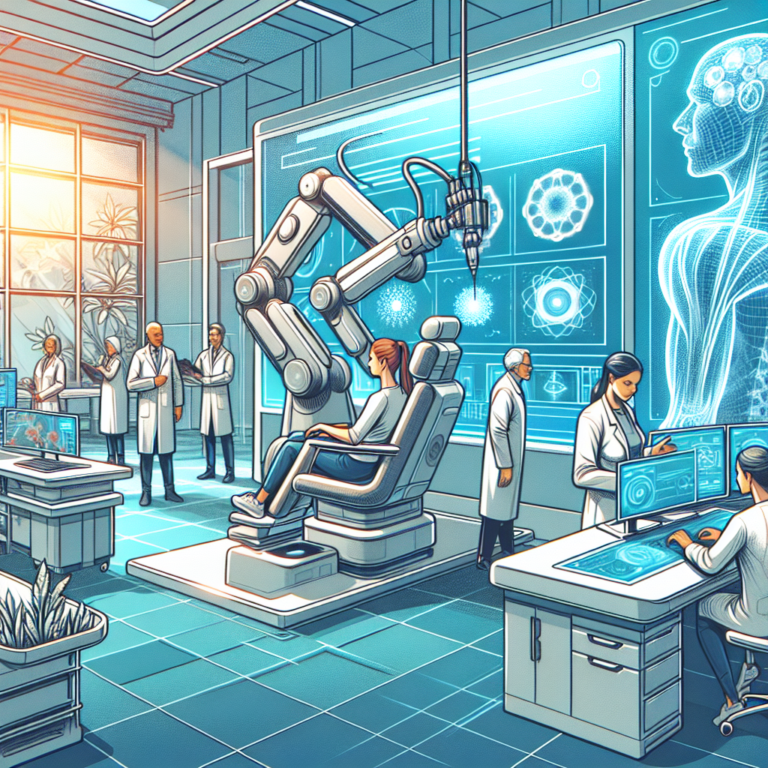
Technology plays a significant role in enhancing the assessment process. Mobile health applications and telehealth can streamline assessments, making them more efficient and accessible.
Chart 1: Technological Innovations in Functional Assessment
| Technology | Function |
|---|---|
| Mobile Apps | Foster self-reporting of daily activities. |
| Telehealth | Allow remote assessments for greater accessibility. |
| Data Analytics | Offer insights into trends and areas for improvement. |
Overcoming Challenges in Functional Assessments
Common Barriers to Implementation
While the benefits of functional assessments are clear, several challenges can arise:
- Time Constraints: Limited time during consultations can lead to rushed assessments.
- Lack of Training: Healthcare providers may not be adequately trained to conduct comprehensive assessments.
- Patient Reluctance: Some clients may be hesitant to engage with assessment processes due to fear or misunderstanding.
Solutions to Enhance Engagement
- Efficient Time Management: Incorporate functional assessments into routine evaluations to avoid added pressure.
- Comprehensive Training Programs: Develop robust training tailored to healthcare professionals to foster confidence and competency in conducting assessments.
- Building Trust: Establish a rapport with clients to reduce anxiety and increase openness during assessments.
Inspiring Change Through Functional Assessments
The Future of Client-Centered Care
As we embrace a future where client-centered principles become increasingly central to healthcare, the role of functional assessments will only grow. By understanding and addressing the unique functional abilities and challenges of individuals, healthcare professionals can design care plans that not only treat conditions but also empower clients.
Call to Action
Healthcare providers, policymakers, and caregivers are encouraged to prioritize functional assessments as part of a broader commitment to individualized, client-centered care. The empowerment derived from understanding one’s abilities can transform lives, making the vision of Empowering Individuals: The Role of Functional Assessment in Client-Centered Care a tangible reality.
Conclusion
Integrating functional assessments into client-centered care models is not merely a trend; it is an essential practice for empowering individuals. By placing an emphasis on understanding clients as unique entities with individual narratives, healthcare professionals can build more effective and compassionate systems. As we navigate this journey together, let us remember that the ultimate goal is to foster a healthcare environment where every individual not only feels cared for but also empowered to take charge of their health.
FAQs
1. What is functional assessment?
A functional assessment evaluates a person’s ability to perform everyday activities, gauging physical, cognitive, and emotional capabilities to inform personalized care plans.
2. How can functional assessments empower clients?
By understanding their unique strengths and challenges, clients can actively engage in their care, leading to tailored interventions that improve their overall quality of life.
3. What are some common tools used in functional assessments?
Some common tools include the Barthel Index, Functional Independence Measure (FIM), and various cognitive and emotional assessment scales.
4. Can functional assessments be conducted remotely?
Yes, with advancements in telehealth and mobile technology, functional assessments can be effectively conducted remotely for greater accessibility and convenience.
5. How often should functional assessments be conducted?
Regular assessments are recommended—ideally during initial evaluations, at set intervals, or when significant changes in health status occur, to ensure care plans remain relevant and effective.
As we look forward to more innovations in the arena of healthcare, let’s harness the power of functional assessment to truly empower individuals, leading them towards a more engaged and fulfilling path in their health journeys.
About the Author