Introduction
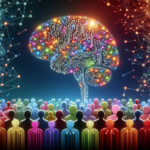
Imagine walking into a bakery, the warm scent of freshly baked bread enveloping you, and suddenly, your mouth waters at the mere thought of that first bite. What you are experiencing is not just a simple craving; it’s a magnificent interplay of mechanisms in your brain known as classical conditioning and neuroplasticity. These two processes explain not only how we learn from our environment but also how we can adapt and change over time. Understanding these mechanisms holds the key to unlocking profound potential in individuals, influencing everything from personal habits to therapeutic interventions. In this comprehensive exploration, we will delve into Exploring the Brain’s Mechanisms: Classical Conditioning and Neuroplasticity, revealing how they shape behavior and define experiences.
Understanding Classical Conditioning
The Basics of Classical Conditioning
Classical conditioning is a learning process that involves creating associations between two stimuli. Developed by Ivan Pavlov in the early 20th century, this phenomenon was famously illustrated with his experiments on dogs. Pavlov discovered that when he paired the sound of a bell (neutral stimulus) with food (unconditioned stimulus), his dogs began to salivate (conditioned response) at the sound of the bell alone. This foundational discovery paved the way for understanding how behaviors can be modified through associative learning.
Real-World Examples of Classical Conditioning
Classical conditioning is everywhere in our daily lives, from advertising to behavioral therapy. For instance, consider the following examples:
| Scenario | Conditioned Stimulus | Unconditioned Stimulus | Conditioned Response |
|---|---|---|---|
| Advertisements | Jingle or logo | Positive experience | Brand loyalty |
| Phobias | Specific object or situation | Trauma or negative experience | Fear response |
| Food Aversions | Certain food | Illness after eating | Nausea or avoidance |
Case Study: The Little Albert Experiment
One of the seminal studies in classical conditioning involved a baby named Albert, who was conditioned to fear white rats. Initially, Albert showed no fear of the rat, but after repeatedly hearing a loud noise (unconditioned stimulus) whenever the rat (conditioned stimulus) appeared, he eventually began to fear the rat itself (conditioned response). This study highlights how impactful classical conditioning can be, not just for learning but for shaping emotional responses.
Analysis: This experiment exemplified the potential for conditioned fear responses and has implications for understanding phobias and anxiety disorders. It raises ethical questions that are still debated today, but it showcases the effectiveness of classical conditioning in behavior modification.
Neuroplasticity: The Brain’s Remarkable Adaptability
What is Neuroplasticity?
Neuroplasticity, sometimes referred to as brain plasticity, is the brain’s ability to reorganize itself by forming new neural connections throughout life. This extraordinary feature allows the brain to adapt in response to learning, experience, and injury. While once thought that the brain’s structure was fixed after a certain age, it is now understood that neuroplasticity can occur at any age.
How Neuroplasticity Works
Neuroplasticity operates through several mechanisms, including:
- Synaptic plasticity: Changes in the strength of synapses based on activity levels.
- Structural plasticity: The brain’s ability to physically change and allow for new connections.
- Functional plasticity: The capability of the brain to shift functions from damaged areas to healthy ones.
Case Study: Stroke Recovery
Patients who have suffered a stroke often experience varying levels of motor and cognitive impairments. Neuroplasticity can play a vital role in recovery. Rehabilitation therapies aim to encourage the reorganization of the brain, facilitating regained movement or cognitive function. Techniques such as constraint-induced movement therapy focus on forcing the use of the affected limb, stimulating the brain to develop new pathways.
Analysis: This case demonstrates the power of neuroplasticity in overcoming serious challenges by rewiring the brain. It highlights the importance of targeted rehabilitation strategies to maximize recovery potential.
The Interplay Between Classical Conditioning and Neuroplasticity
Linking Forces
While classical conditioning and neuroplasticity are distinct mechanisms, they remarkably intertwine. Through classical conditioning, a new behavior can be learned, and this process often induces neuroplastic changes. For example, when someone learns to associate stress (conditioned stimulus) with a specific environment (neutral stimulus), neuroplasticity enables the brain to adjust, potentially resulting in altered stress responses.
Implications for Therapy
The combination of these mechanisms has significant implications in therapeutic settings. Psychologists and therapists often utilize classical conditioning principles to help modify undesirable behaviors while leveraging neuroplasticity to instill new, healthier patterns.
Case Study: Exposure Therapy for PTSD
Exposure therapy is a form of cognitive-behavioral therapy employed to help individuals with post-traumatic stress disorder (PTSD). By gradually exposing patients to feared stimuli in a controlled environment, therapists use classical conditioning to help alter the conditioned responses associated with traumatic memories. This process also taps into neuroplasticity as patients reconstruct their cognitive and emotional responses over time.
Analysis: This case shows how clinical applications of classical conditioning, combined with neuroplasticity, can lead to transformative outcomes for individuals coping with trauma.
The Power of Habit Formation
How Habits Are Formed
The interplay between classical conditioning and neuroplasticity is pivotal in habit formation. Habits are often the result of repeated behavior that has been conditioned over time, leading to changes in the neural structures that support these routines.
The Habit Loop
Habits consist of a loop involving three components: cue (or trigger), routine, and reward. The cue activates the neural pathways, the routine is the conditioned response, and the reward reinforces the behavior, facilitating the development of a habit over time.
| Component | Description | Neuroplasticity Involvement |
|---|---|---|
| Cue | A stimulus that triggers the behavior | Activates neural pathways |
| Routine | The behavior or action taken | Forms connections reinforcing this behavior |
| Reward | A positive reinforcement | Strengthens the neural pathways |
Case Study: Changing Habits with Neurological Insight
Research has demonstrated that by understanding the neurological basis of habits, individuals can effectively change ingrained behaviors. For instance, a study on employees seeking to reduce procrastination involved identifying cues that trigger procrastination and creating new cues that promote productivity. As these new behaviors were practiced, neuroplasticity allowed the brain to rewire itself to reinforce the productivity habits, while diminishing procrastination tendencies.
Analysis: This study underscores the importance of understanding the mechanisms of classical conditioning and neuroplasticity in the journey toward personal development. It illustrates that motivation and awareness can catalyze change when directed at forming new, positive habits.
Real-World Applications of Classical Conditioning and Neuroplasticity
Education and Learning
In educational settings, teachers can apply principles from both classical conditioning and neuroplasticity to create more supportive learning environments. For example, positive reinforcement (reward) can enhance student engagement, while fostering neuroplastic changes that facilitate better retention of information.
Addiction Recovery
Classical conditioning plays a role in the development of addictions, where certain cues may trigger cravings. Understanding this can help in developing strategies for recovery, such as aversion therapy or using differential reinforcement in relapse prevention strategies. In tandem, neuroplasticity enables individuals in recovery to establish new coping mechanisms and emotional responses.
Sports Performance
Athletes often utilize mental conditioning, leveraging classical conditioning principles to develop routines that optimize performance. Visualization, a practice that encourages neuroplastic changes, helps athletes to enhance focus and reduce anxiety by creating new neural pathways that support peak performance.
Conclusion
In conclusion, Exploring the Brain’s Mechanisms: Classical Conditioning and Neuroplasticity unveils the intricate dance between learned behaviors and brain adaptation, revealing profound implications for our everyday lives. Whether you aim to change a habit, enhance learning, or recover from trauma, understanding these mechanisms can empower you to make informed choices. As we continue to delve deeper into the complexities of the human brain, it becomes clear that our potential for growth and change is limitless.
Key Takeaway
Your brain is a dynamic entity capable of reshaping itself based on experiences—both good and bad. Embrace the concept of growth, and remember: it’s never too late to reshape your habits, retrain your thoughts, and reclaim your life.
FAQs
1. What is classical conditioning?
Classical conditioning is a learning process through which associations are formed between a neutral stimulus and an unconditioned stimulus, leading to a conditioned response.
2. How does neuroplasticity work?
Neuroplasticity refers to the brain’s ability to reorganize itself by forming new neural connections throughout life, enabling adaptation to new experiences, learning, and recovery from injury.
3. Can classical conditioning be used in therapy?
Yes, therapists often use classical conditioning principles to help patients alter maladaptive behaviors and emotional responses, particularly in treatments like exposure therapy.
4. How do classical conditioning and neuroplasticity relate to habit formation?
Classical conditioning can establish habits by creating associations, while neuroplasticity enables the brain to adapt and strengthen those habits through repeated behavior.
5. Is it possible to change ingrained behaviors?
Absolutely! With understanding and strategies based on classical conditioning and neuroplasticity, individuals can effectively change habits and cognitive patterns, paving the way for growth and improvement.
In a world brimming with possibilities, recognizing and harnessing the mechanisms behind our behaviors lays the foundation for transformative change. Embrace this knowledge, and embark on your journey toward a better you!
About the Author