Introduction
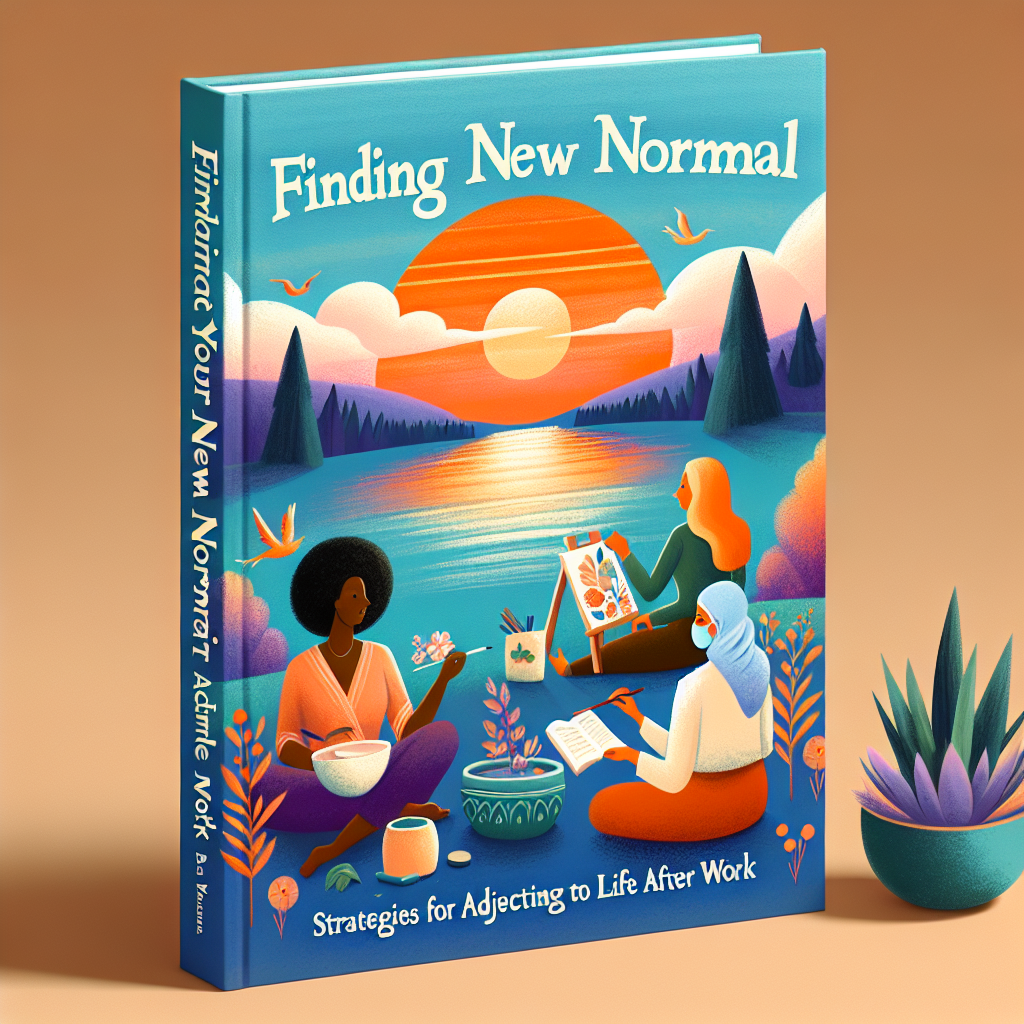
The transition from a structured work life to retirement or a work-free lifestyle is an unprecedented journey for many. Finding Your New Normal: Strategies for Adjusting to Life After Work isn’t just about filling your days; it’s about redefining your identity, reprioritizing your passions, and embracing the freedom that comes with this new chapter. The shift can feel daunting, filled with uncertainty and a myriad of emotions ranging from excitement to anxiety. This article will delve deep into practical strategies, personal insights, and case studies to help you navigate this significant life change.
Understanding the Transition: The Psychological Shift
Transitioning to life after work is more than just an adjustment in routine; it’s a psychological recalibration. Many individuals identify heavily with their careers, and that identity can feel lost when work is no longer a central part of life.
The Identity Crisis
Case Study: Consider Emma, a 65-year-old marketing executive who retired after three decades. Initially, Emma struggled with feelings of purposelessness and loss of identity. Over time, she learned to redefine herself beyond her job title. This case exemplifies how crucial it is to understand and navigate these feelings for successful adjustment.
Key Insights:
- Acknowledge Your Feelings: It’s normal to feel confused or anxious. Embrace these feelings as part of the adjustment process.
- Seek Support: Engage with family, friends, or support groups who can offer understanding and encouragement.
Embracing Change: Creating Your Vision
Once you’ve acknowledged your feelings, the next step in Finding Your New Normal: Strategies for Adjusting to Life After Work is to envision what your new life could resemble.
Reassessing Life Goals
Use this time to reflect on what you truly want to achieve in this phase. This could involve travel, hobbies, volunteering, or further education.
Table 1: Examples of Goals to Consider Post-Retirement
| Goal Type | Specific Activities | Timeframe |
|---|---|---|
| Creative Pursuits | Painting, writing, music lessons | Short-term (1-6 months) |
| Learning | Online courses, attending workshops | Medium-term (6-12 months) |
| Social Engagement | Joining clubs, volunteering | Ongoing |
Vision Boards: A Creative Outlet
Creating a vision board can be an inspiring way to outline your goals and visualize your ideal life after work.
Building a Routine: Structure Within Flexibility
While flexibility is one of the joys of life after work, a sense of routine can provide a grounding sense of purpose.
Daily Structure
Case Study: John, a former teacher, struggled with the unstructured days of retirement until he implemented a daily schedule that included exercise, reading, and social outings. Structuring his time helped him find joy and satisfaction in daily activities.
Tips for Creating Routine:
- Morning Rituals: Start your day with a predictable routine, whether that’s exercise, meditation, or reading.
- Set Daily Goals: Establish achievable goals to maintain focus and motivation.
Finding Community: The Importance of Connections
Social ties play a significant role in emotional and mental well-being. Building a new community can be vital during this transitional phase.
Exploring New Social Circles
Engaging in community activities, clubs, or even online groups can help you make new friends and support systems.
Table 2: Social Opportunities for Post-Work Life
| Activity Type | Example Groups | Purpose |
|---|---|---|
| Hobby Groups | Book clubs, gardening clubs | Socialize and enjoy shared interests |
| Sports | Walking groups or golf clubs | Physical health and camaraderie |
| Volunteering | Local charities | Contribute and build connections |
Exploring Passion Projects: Rediscovering Joy
With newfound time on your hands, what better way to adjust than to explore hobbies and interests that may have been sidelined?
Creating Passion Projects
Consider turning a long-held dream into reality—whether it’s painting, writing a book, or starting a garden.
Case Study: Susan, a retired doctor, always wanted to write. After retirement, she dedicated time weekly to work on her first novel, which ultimately became a source of pride and joy.
Strategies to Discover Your Passion:
- Try New Things: Attend workshops or classes to discover new interests.
- Reflect on Old Hobbies: Revisit activities you enjoyed in the past but set aside.
Staying Active: The Physical Dimension
Physical health is crucial for overall well-being and plays a significant role in your adjustment to life after work.
Regular Exercise
Incorporating regular physical activity can enhance mood, boost physical health, and support social connections.
Table 3: Types of Exercise to Consider
| Type | Benefits | Recommendations |
|---|---|---|
| Walking | Easy, low-impact | Join a walking group |
| Yoga | Flexibility and mindfulness | Look for local classes |
| Swimming | Full body activity, low injury risk | Join a community pool |
Financial Planning: Peace of Mind
Navigating retirement finances can be a source of stress. Financial literacy is essential to enjoy a stress-free lifestyle.
Budgeting for Life After Work
Case Study: Michael, a retired engineer, realized that educating himself about budgeting helped him feel more secure in his daily life. He utilized apps and classes to manage his finances better.
Key Financial Strategies:
- Track Spending: Use budgeting apps to monitor expenses.
- Consult Financial Advisors: Seek professional advice to make informed decisions.
Mental Health: Keeping Your Mind Sharp
As you adjust to life after work, mental health should be a priority to ensure a fulfilling experience.
Mindfulness and Mental Well-being
Practicing mindfulness techniques can help alleviate anxiety and foster a positive outlook.
Case Study: Julia, who retired at 62, began meditating daily and noticed significant improvements in her mood and focus.
Techniques to Consider:
- Meditation: Incorporate mindfulness practices into your daily routine.
- Continuous Learning: Keep your brain engaged by exploring new ideas or subjects regularly.
Conclusion: Crafting Your New Normal
Adjusting to life after work is no small feat, but with intention and creativity, you can successfully navigate this transition. Finding Your New Normal: Strategies for Adjusting to Life After Work involves a blend of self-reflection, community, activity, and planning. By embracing these strategies, you not only discover who you are beyond the workplace, but you also enrich the quality of your new life.
Motivational Takeaway
Remember, every day is a new beginning. Approach this transition with an open heart and a willingness to grow. Your new normal awaits!
Frequently Asked Questions
1. What are the first steps to take after retiring?
- Begin by assessing your feelings, setting a daily schedule, and exploring hobbies or volunteer opportunities.
2. How can I maintain a sense of purpose?
- Create achievable goals, engage in community activities, or start passion projects that excite you.
3. Is it common to feel lost after retirement?
- Yes, many experience a shift in identity and routine, which can lead to feelings of confusion. Acknowledging these feelings is crucial for adjustment.
4. What role does social engagement play in post-work life?
- Social connections provide emotional support, reduce feelings of isolation, and enhance overall well-being.
5. How can I keep my mind sharp in retirement?
- Engage in continuous learning through classes, reading, puzzles, or other intellectually stimulating activities.
By adopting the insights and strategies from this guide, you’re well on your way to Finding Your New Normal: Strategies for Adjusting to Life After Work. Each step you take can pave the way for a fulfilling and invigorating post-work life.
About the Author