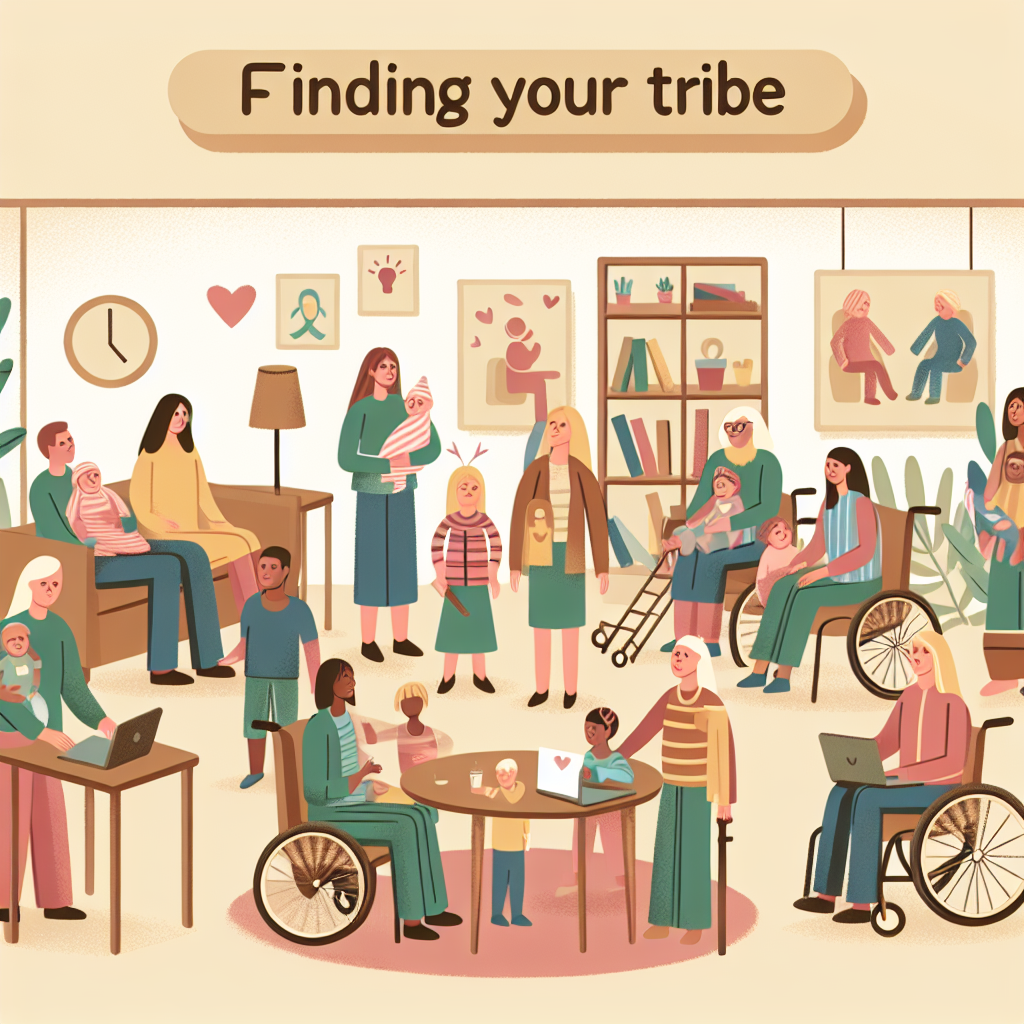
Finding Your Tribe: Essential Tips for Locating Support Groups for Parents of Disabled Children
Introduction
Navigating the world as a parent of a disabled child can feel like an emotional rollercoaster. The highs are exhilarating, but the lows can be daunting and isolating. For many parents, finding understanding and support is crucial to maintaining emotional well-being and resilience. This is where the concept of "Finding Your Tribe: Essential Tips for Locating Support Groups for Parents of Disabled Children" becomes vital. In this article, we will explore various strategies to connect with support groups that resonate with you and your family’s needs, providing not just solace but a sense of community and shared experience.
The Importance of Community
Why Support Is Essential
In an era of increasing awareness around disabilities, many parents still find themselves isolated in their experiences. Support systems are not just beneficial; they are essential for a multitude of reasons:
Emotional Support: Engaging with others who have similar experiences can alleviate feelings of isolation.
Practical Advice: Fellow parents often have first-hand experience with resources and strategies that work—or don’t work—for managing day-to-day challenges.
- Networking Opportunities: Support groups can lead to connections with professionals or services that may greatly benefit you and your child.
Case Study: The Smith Family
Consider the Smith family; they were feeling overwhelmed after their son was diagnosed with autism. Initially resistant to seeking help, they joined a local support group. Through this, they connected with other parents who shared resources on therapies, schooling options, and practical coping mechanisms. The Smiths not only found emotional support but also actionable advice that significantly improved their family’s daily life.
Types of Support Groups
Identifying What You Need
Before you begin your search for support groups, take a moment to identify what your specific needs are. Support groups come in various forms, including:
In-Person Support Groups: Ideal for those who crave face-to-face interaction, these groups foster deep connections.
Online Forums: A convenient option for busy parents; online platforms allow for flexibility and accessibility.
- Specialized Groups: These focus on specific disabilities, ensuring that the advice and experiences shared are particularly relevant.
Table: Types of Support Groups for Parents of Disabled Children
| Type of Group | Pros | Cons |
|---|---|---|
| In-Person Groups | Stronger connections, immediate feedback | Time constraints, geographical limits |
| Online Forums | Flexible, accessible | Less personal interaction |
| Specialized Groups | Targeted advice, relevant discussions | May lack diverse perspectives |
Where to Begin Your Search
Utilizing Resources
Finding your tribe does not have to be a daunting task. Here are several avenues to explore when searching for support groups for parents of disabled children:
Local Hospitals and Clinics: Many healthcare providers have lists of local support groups for different disabilities.
Nonprofit Organizations: Organizations like the Arc and Autism Speaks often have resources or can direct you to local groups.
Social Media: Platforms like Facebook and Instagram have numerous groups dedicated to parents of disabled children.
- Schools: Educators can be a valuable resource for finding support groups, especially those tailored to specific disabilities.
Case Study: The Johnson Family’s Online Journey
When the Johnson family faced their son’s recent diagnosis of cerebral palsy, they initially struggled to find resources. However, a simple search on Facebook led them to a vibrant online community. Their experience highlights the significance of using social media for connection, where they found supportive friends who understood the complexities they faced.
How to Evaluate a Support Group
Finding the Right Fit
Not all support groups will meet your expectations. To effectively "find your tribe," consider the following factors:
Focus: Does the group address your specific needs or challenges?
Facilitation: How is the group organized? Is there a trained professional or a peer-led model?
Participation Level: Are members encouraged to share, or is it more of a lecture-style format?
- Group Dynamics: Spend time observing how members interact. Is the atmosphere supportive and respectful?
Chart: Evaluating Support Groups
| Factor | Considerations |
|---|---|
| Focus | Specific disability, age groups |
| Facilitation styles | Professional-led vs. peer-led |
| Participation levels | Interactive vs. passive |
| Group dynamics | Reviews or personal experiences |
Overcoming Barriers to Joining a Group
Common Challenges
Some parents may feel hesitant to join support groups due to various barriers, including:
Fear of Judgment: Concern about how others may perceive your parenting choices.
Time Constraints: Busy schedules can make participation challenging.
- Geographical Limitations: Not having local options can deter some parents.
Strategies to Overcome Barriers
Virtual Options: Look for online support groups that offer flexibility.
Set a Schedule: Prioritize your emotional health by setting aside time specifically for support group participation.
- Attend Open Meetings: Many groups have open meetings where visitors can gauge the atmosphere before fully committing.
Case Study: The Lee Family’s Commitment
The Lee family struggled with the fear of judgment and a busy schedule due to work. They decided to try a virtual support group that met once a week. The commitment to attend not only provided them with essential emotional support, but they also found a welcoming community that alleviated their initial concerns.
Tips for Making the Most of Your Experience
Engaging Effectively
Once you’ve joined a support group, you may want to maximize the benefits. Here are some actionable tips:
Be Open and Honest: Sharing your feelings and challenges can create deeper connections.
Engage with Others: Offer your experiences, advice, and support to others going through similar situations.
Follow Up: Maintain relationships outside of group meetings for ongoing support.
- Share Resources: If you discover helpful tips or services, share them within the group.
Analysis of Engagement Strategies
Engaging with fellow parents not only enhances your experience but creates a culture of giving back. This reciprocity profoundly strengthens the community bond, reinforcing the idea that you are collectively “finding your tribe.”
Conclusion
Finding a support group can be an empowering journey for parents of disabled children. By actively seeking out resources and evaluating your options carefully, you pave the way for emotional support, shared experiences, and practical advice that can significantly enhance your quality of life. As you embark on this journey, remember that you are not alone—your tribe is out there, waiting to connect with you.
FAQs
1. How can I quickly find local support groups?
Start by checking local hospitals, clinics, and special education programs. Websites for nonprofit organizations also often list local groups.
2. Are online support groups effective?
Absolutely! Many parents find online groups convenient and beneficial. They allow for sharing experiences without geographical limitations.
3. What should I do if I feel uncomfortable in a group?
If you don’t feel comfortable, it’s okay to leave or transition to another group that better fits your needs.
4. How often should I participate in a support group?
Aim for regular participation that feels manageable. Even monthly engagement can be beneficial.
5. Can I create my own support group?
Yes! If you feel there’s a gap in available resources, organize a group that meets your specific needs. Connecting with local organizations can help you get started.
By embracing the journey of "Finding Your Tribe: Essential Tips for Locating Support Groups for Parents of Disabled Children," you take the first step towards enhancing not only your well-being but also that of your child and family.
About the Author