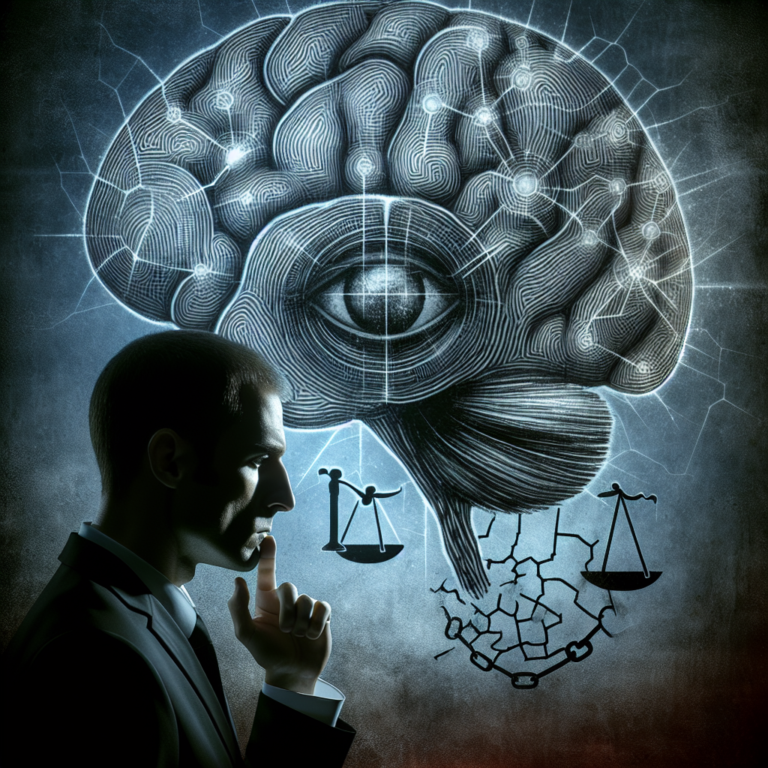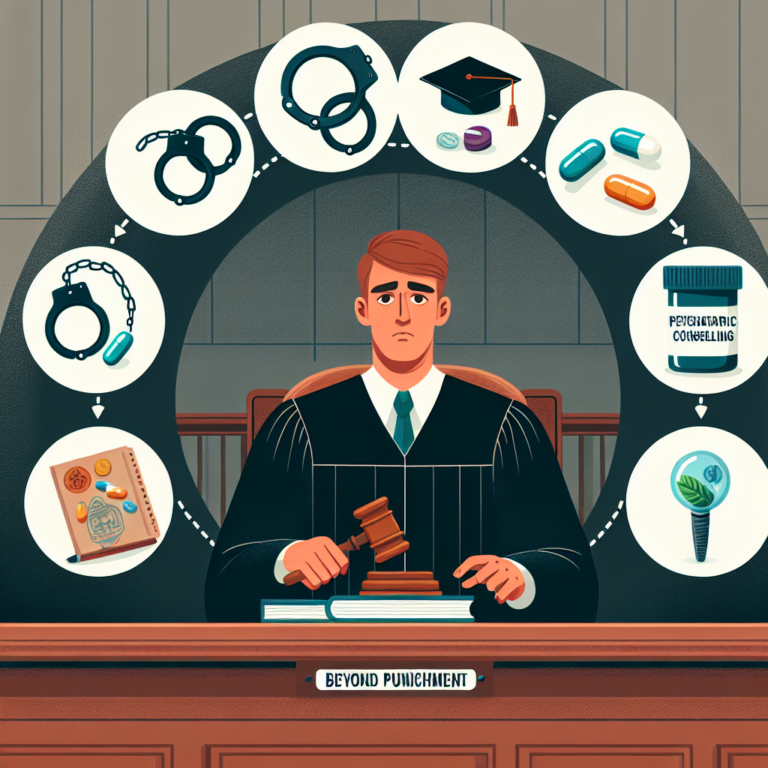
Can a psychological evaluation really change the outcome of a legal case? Yes, it often can. Forensic assessments are key in giving evidence-based opinions for criminal, civil, and administrative cases.
Experts do these evaluations to look at psychological factors important for legal decisions. This includes if someone can stand trial or if they might offend again. Forensic evaluations give clear insights, helping legal teams make better choices.
The value of psychological assessments is huge. They greatly affect the fairness and results of legal cases.
Key Takeaways
- Forensic assessments provide critical evidence in legal cases.
- They help evaluate psychological factors relevant to legal decisions.
- Forensic evaluations are used in various legal contexts, including criminal and civil cases.
- Reliable psychological assessments are essential for fair legal outcomes.
- These assessments are conducted by trained professionals.
Understanding Forensic Assessment
Forensic assessment is key in legal cases. It gives unbiased views that help judges make decisions. It uses many tools and methods to help in legal decisions.
It’s based on forensic psychology. This field uses psychology to solve legal problems. It’s important for understanding forensic assessments.
Definition and Purpose
Forensic assessment is about checking people in legal cases. Its main goal is to give fair, unbiased info. This helps legal experts make better choices.
It uses many tools like tests and interviews. These help gather important data. This data answers legal questions or issues.
Key Components
The main parts of forensic assessment are:
- Clinical interviews
- Psychological testing
- Review of relevant documents
- Collateral information from third-party sources
These parts help understand the person being assessed. For example, in a forensic investigation, they help piece together a legal case.
| Component | Description | Example |
|---|---|---|
| Clinical Interviews | Direct interaction with the individual to gather information | Assessing mental state at the time of the incident |
| Psychological Testing | Standardized tests to measure cognitive and emotional functioning | Evaluating competency to stand trial |
| Document Review | Examination of relevant documents related to the case | Reviewing police reports and witness statements |
Importance in Legal Context
Forensic assessment is very important in legal cases. It helps figure out if someone might be dangerous in the future. It guides sentencing and treatment needs.
It ensures legal decisions are fair and based on facts. This makes the legal process more just and reliable.
Types of Forensic Assessments
In legal cases, several forensic assessments are used to give important insights. These assessments help make legal decisions and ensure justice is done.
Psychological Evaluations
Psychological evaluations are key in forensic assessments. They look at the mental health and psychological state of people in legal cases. Licensed psychologists use tests to check cognitive and emotional health.
Key components of psychological evaluations include:
- Cognitive assessments to determine intellectual functioning and cognitive impairments
- Personality assessments to understand personality traits and possible psychopathology
- Emotional functioning assessments to evaluate emotional stability and distress
Competency Evaluations
Competency evaluations check if someone can understand legal proceedings and help in their defense. They are key in deciding if a defendant can stand trial.
The process typically involves:
- Assessing the defendant’s understanding of the legal process
- Evaluating their ability to communicate with their attorney
- Determining their capacity to make informed decisions about their case
Risk Assessments
Risk assessments predict if someone might commit violent or criminal acts in the future. They are important in sentencing and deciding how much supervision is needed.
“Risk assessments are a vital tool in the justice system, enabling professionals to make informed decisions about an individual’s future harm.” – Expert in Forensic Psychology
Victim Impact Statements
Victim impact statements let victims or their families share how a crime has affected them. They are used during sentencing to show the personal impact of the crime.
The process involves:
- Gathering information about the physical, emotional, and financial impact of the crime
- Preparing a written or oral statement to be presented in court
- Allowing victims to have a voice in the legal process
The Forensic Assessment Process
Forensic assessments are detailed and involve several steps. These include initial meetings, gathering data, and creating reports. These steps help courts make better decisions.
Initial Consultation
The first step is the initial consultation. Here, the assessor talks to the person being assessed. They explain the process, set boundaries, and gather some basic information.
Data Collection Methods
Data collection is key in forensic evaluations. Different methods are used, such as:
- Clinical interviews
- Psychological testing
- Review of relevant documents
- Collateral information from third parties
These methods help gather all the needed information about the person being assessed.
Report Compilation
Creating the forensic report is a thorough process. It involves analyzing the data and presenting it clearly. The report usually includes:
- Background information on the individual
- Methods used for assessment
- Results of the assessment
- Conclusions drawn from the assessment
- Recommendations for legal proceedings
Qualifications of Forensic Assessors
Forensic assessors have many qualifications. They need a good education, professional certifications, and lots of experience. They must know a lot about forensic psychology to do their job well.
Educational Background
Most forensic assessors have a Ph.D. or Psy.D. in psychology. They learn about psychology, how to assess people, and research. They also study forensic assessment, statistics, and research design.

Certifications and Licenses
Having certifications and licenses is key for forensic assessors. It shows they are experts and follow professional rules. Getting certified in forensic psychology by the American Board of Professional Psychology (ABPP) is a big deal. They also need a license to practice psychology.
They must keep learning to keep their licenses and certifications. This helps them stay up-to-date.
“The integrity of forensic assessments depends on the qualifications and expertise of the assessors. Ensuring that assessors are properly trained and certified is critical for the validity of their testimony.”
Experience in the Field
Experience is very important for forensic assessors. It helps them get better at their job. They start in clinical settings, then move to forensic work. They begin with simple cases and get more complex ones as they gain experience.
Working with lawyers and in the legal system is also key. It helps them understand the legal side of their work.
In summary, forensic assessors need a lot of education, certifications, and experience. These things help make sure their mental health assessments are trustworthy and accurate.
The Role of Forensic Assessment in Criminal Cases
Forensic evaluations are key in criminal cases. They help figure out if someone is competent and assess their risk. This info is vital for making fair judicial decisions.
Forensic assessments play a big role in criminal cases. They help understand a defendant’s mental state. They check if the defendant can stand trial and if they are criminally responsible.
Assessing Competency to Stand Trial
Forensic assessment is key in figuring out if someone can stand trial. It checks if they can understand the legal process and help with their defense.
- Understanding Legal Proceedings: The assessment looks at if the defendant gets the charges and the legal process.
- Assisting in Defense: It also checks if the defendant can talk well with their lawyer and help with their defense.
Evaluating Insanity Defense Claims
Forensic assessments are vital for insanity defense claims. They figure out if the defendant was sane at the time of the crime. Legal standards guide this.
The process looks at the defendant’s mental state at the time of the crime. Expert testimony is often needed to explain the findings.
Mitigating Factors in Sentencing
Forensic assessments also help in sentencing. They give insights into the defendant’s mental health and background. This helps the court make better sentencing decisions.
- Mitigating Factors: Things like mental health history, trauma, or substance abuse can lead to a lighter sentence.
- Risk Assessment: Forensic risk assessments predict future criminal behavior. This helps decide on probation, parole, or other sentences.
By using forensic assessments in criminal cases, the legal system makes fairer decisions. This makes justice more effective and fair.
Civil Litigation and Forensic Assessment
Forensic assessments are key in civil litigation. They offer unbiased views that guide legal choices. These assessments are used in many areas, like personal injury cases, child custody, and employment disputes.
Personal Injury Cases
In personal injury cases, forensic assessments measure the injury’s impact. They look at how the injury affects someone’s life and work. Mental health assessments are vital, showing the injury’s psychological effects.
- Assessing the severity of psychological trauma
- Evaluating the need for ongoing mental health treatment
- Determining the impact of injuries on daily functioning
Child Custody Evaluations
Forensic assessments in child custody aim to help courts decide what’s best for the child. They look at the child’s psychological and emotional needs. They also check if each parent can offer a safe and loving home.
- Assessing the child’s relationship with each parent
- Evaluating the parents’ ability to cooperate and communicate effectively
- Identifying any factors that could potentially harm the child
Employment Disputes
In employment disputes, forensic assessments help with claims of harassment or discrimination. Forensic psychology sheds light on the psychological effects of workplace incidents.
These assessments can help determine:
- The psychological effects of alleged harassment or discrimination
- The credibility of claims made by employees
- The need for workplace accommodations or interventions
Ethical Considerations in Forensic Assessments
Ethical standards are key to the trustworthiness of forensic assessments in legal settings. Forensic assessors face tough ethical challenges. They must make sure their work is fair, accurate, and free from bias.
Confidentiality and Privacy
Forensic assessors must keep confidentiality and protect privacy. They handle sensitive info carefully. They follow strict rules to keep data safe.
Conflict of Interest
It’s vital to avoid conflicts of interest. Assessors should not let personal views or outside influences sway their work. This keeps their opinions unbiased.
Standards of Practice
Forensic assessors must follow standards of practice. This means using proven methods, knowing their own limits, and keeping up with new knowledge. It helps them do their job well.
To follow these ethics, forensic assessors should:
- Keep up with legal and professional rules.
- Always learn and grow in their field.
- Get advice from peers on tough ethical issues.
In summary, ethics are essential in forensic assessments. By keeping secrets, avoiding personal conflicts, and following rules, assessors can make sure their work is trustworthy.
Challenges in Forensic Assessments
Forensic assessments are valuable but face challenges like bias, cultural issues, and methodological limits. These issues can affect the assessments’ reliability and validity. It’s important to tackle these challenges effectively.
Bias and Subjectivity
Bias and subjectivity are major hurdles in forensic assessments. Assessors, like everyone, can have unconscious biases that affect their evaluations. To combat this, rigorous training programs that focus on recognizing and managing bias are essential. Standardized tools can also help reduce personal biases in evaluations.
Subjectivity in some assessment techniques is another challenge. For example, the interpretation of psychological tests can vary widely among assessors. Many experts suggest using clear, evidence-based guidelines to standardize these interpretations.
Cultural Competence Issues
Cultural competence is a critical area where forensic assessments face challenges. Assessors need to understand and interpret cultural nuances of those being assessed. Cultural differences can significantly affect assessment validity if not considered. It’s vital for assessors to receive cultural competence training and be aware of their biases.
Assessment tools may also lack cultural neutrality. Tools developed mainly for dominant cultures can be less effective or biased for diverse backgrounds. Creating culturally sensitive tools is an ongoing need for research and development.
Limitations of Tools and Techniques
Forensic assessments use various tools and techniques, each with its own limitations. For instance, some psychological assessments may not handle complex or atypical cases well. The limitations of these tools can lead to inaccurate or incomplete assessments if not properly understood and addressed.
| Limitation | Description | Potential Impact |
|---|---|---|
| Lack of Cultural Sensitivity | Assessment tools not adapted for diverse cultural backgrounds. | Inaccurate or biased assessments. |
| Subjectivity in Interpretation | Variability in how assessors interpret results. | Inconsistent conclusions. |
| Limited Scope | Assessments may not cover all relevant factors. | Incomplete understanding of the case. |
To overcome these limitations, professionals must stay current with research and advancements in forensic assessment techniques. Continuous education and training help assessors understand their tools’ strengths and weaknesses. This enables them to make more informed decisions.
The Use of Technology in Forensic Assessments
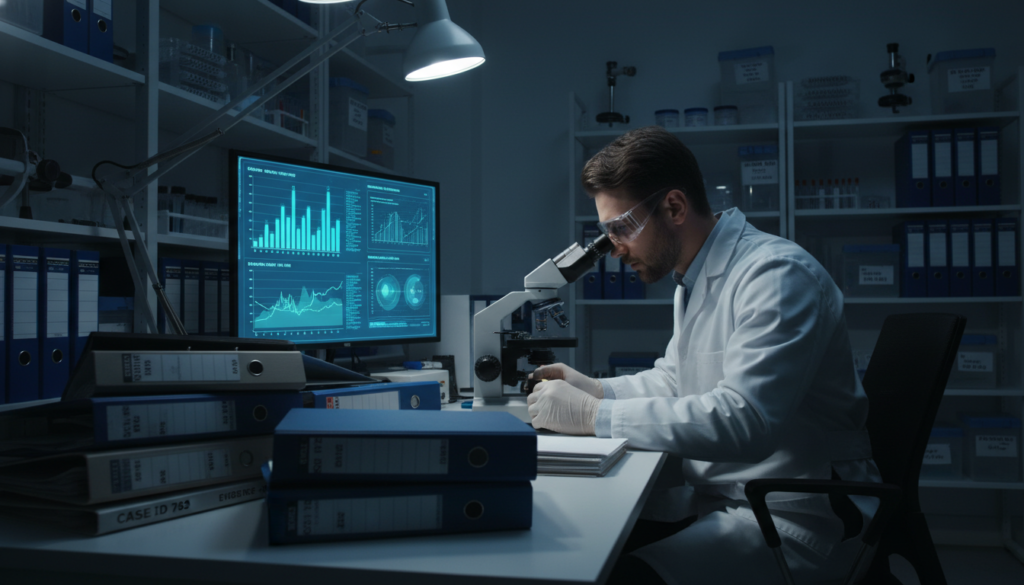
Technology has changed forensic psychology a lot. It makes assessments more accurate and reliable. This helps a lot in legal cases.
Now, forensic assessments use many tools like psychometric tools and data analysis software. These tools make assessments better and more detailed.
Psychometric Tools
Psychometric tools measure things like how smart someone is and their personality. They are key in forensic assessments. They give data that helps in making decisions.
Examples of psychometric tools include:
- The Minnesota Multiphasic Personality Inventory (MMPI)
- The Wechsler Adult Intelligence Scale (WAIS)
- The Hare Psychopathy Checklist (PCL-R)
These tools are always being updated. This makes sure they are reliable. Using them makes assessments more precise.
Data Analysis Software
Data analysis software is very important. It helps process and understand big amounts of data. It can do many things like statistical analysis and make data easy to see.
Some common applications of data analysis software include:
- Analyzing the results of psychometric tests
- Identifying patterns and trends in behavioral data
- Comparing data across different populations or time periods
This software makes assessments more objective. It helps in drawing conclusions from data.
Virtual Assessments
Virtual assessments are a big step forward. They let people be assessed remotely. This is great for keeping people safe during the pandemic.
Benefits of virtual assessments include:
- Increased accessibility for individuals with mobility issues
- Reduced costs associated with travel and accommodation
- Flexibility in scheduling assessments
But, there are challenges too. Like keeping the assessment safe and private. Forensic psychologists must use technology wisely to solve these problems.
In conclusion, technology has greatly improved forensic assessments. It makes them more accurate and detailed. As technology keeps getting better, forensic psychology will keep getting more advanced.
Legal Standards Governing Forensic Assessments
Forensic assessments face strict legal checks. Standards like Daubert and Frye help decide if they can be used in court. These rules make sure assessments are trustworthy, useful, and scientifically sound.
Daubert and Frye Standards
The Daubert and Frye standards are key in court. The Frye standard, from 1923, says science must be widely accepted to be allowed. This ensures the evidence is solid.
“The Frye test requires that the scientific principle or discovery be ‘sufficiently established to have gained general acceptance in the particular field in which it belongs.'”
The Daubert standard, from 1993, is more detailed. It looks at if the method can be tested, if it’s been reviewed by peers, and its error rate.
| Standard | Key Features | Year Established |
|---|---|---|
| Frye | General acceptance in the scientific community | 1923 |
| Daubert | Testability, peer review, known rate of error | 1993 |
Judicial Considerations
Judges are key in letting forensic assessments into court. They check if the assessment meets Daubert or Frye. They look at the assessor’s skills, the method used, and if it’s relevant to the case.
Admissibility of Assessments
The court decides if forensic assessments can be used. For this, the assessment must be reliable and relevant. It must be based on good science and offer useful insights.
In summary, legal rules for forensic assessments aim to make them trustworthy and scientifically correct. By following these rules, assessors help the legal system.
Preparing for a Forensic Assessment
Going through a forensic assessment can be complex. It needs thorough preparation. People in legal cases must know what to expect, how to prepare, and common questions.
What to Expect
A forensic assessment is done by a professional, like a psychologist or psychiatrist. They give an objective opinion on legal issues. You’ll likely have interviews, tests, and document reviews.
This process is detailed and might take several sessions. Being open and honest is key for an accurate evaluation.
How to Prepare
Good preparation is essential for a successful assessment. Collect all important documents and information about your case. Knowing the legal issues and the assessment’s purpose helps too.
It’s also good to know your rights and confidentiality limits. Talking to a lawyer can offer more guidance.
| Preparation Tips | Description |
|---|---|
| Gather Relevant Documents | Collect all documents related to the case, including medical records, police reports, and witness statements. |
| Understand the Legal Issues | Familiarize yourself with the legal issues involved in your case and the purpose of the forensic assessment. |
| Consult Legal Counsel | Seek advice from your lawyer on how to prepare for the assessment and understand your rights. |
Common Questions
People often have questions about forensic assessments. They might wonder about the assessment’s length, the tests or interviews, and how the results will be used.
Knowing the assessment’s importance in legal cases helps. It makes you more serious and cooperative.
Being ready and knowing what to expect helps you through the assessment. It’s important to be open and give accurate information.
Case Studies of Forensic Assessments
Looking at case studies in forensic assessments shows us the complex world of using psychology in court. These examples show how these assessments are done and how they change legal outcomes.
Successful Applications
Forensic psychology success stories often come from using assessment tools well. For example, a competency evaluation can show if someone can go to trial. This can really change how a case is handled.
- Accurate Diagnosis: Using the right tools to check mental health.
- Relevant Recommendations: Giving courts useful advice based on what’s found.
- Legal Impact: Showing how these assessments can really change a case’s outcome.
These successes show how important forensic psychology is in the legal world. They prove it can make legal processes fairer and more effective.
Missteps and Lessons Learned
Not every case study ends well. Problems can happen because of bad methods, bias, or not understanding the data. Looking at these mistakes helps us get better at forensic assessments.
- Inadequate Data Collection: Getting all the data needed is key for good assessments.
- Bias in Assessment: It’s important to know and avoid biases in tools and views.
- Communication Challenges: Making complex psychological info clear to legal people is hard.
By learning from these mistakes, forensic psychology experts can make their work better. This will make forensic assessments more reliable and accurate.
Future Trends in Forensic Assessment
The field of forensic assessment is changing fast. This is thanks to new research, legal updates, and more need for expert opinions. Several important trends are coming up that will change how we do forensic assessments.
Research Advancements
New research is making forensic tools better. Tools and software for analyzing data are getting more accurate. For example, new risk assessment tools help predict if someone might commit a crime again.
Shifting Legal Landscape
Legal standards are also changing. Laws and court rulings are affecting how we do forensic assessments. Experts need to keep up with these changes to follow the law.
Growing Demand
More people are needing forensic experts. Legal cases are getting more complex, and experts are needed more than ever. Forensic assessors must keep learning and growing to meet this demand.
FAQ
What is a forensic assessment, and how is it used in legal proceedings?
What types of forensic assessments are commonly used?
What are the qualifications required to become a forensic assessor?
How are forensic assessments used in criminal cases?
What are some common challenges in forensic assessments?
How is technology used in forensic assessments?
What are the legal standards governing forensic assessments?
How can individuals prepare for a forensic assessment?
What are some future trends in forensic assessment?
What is the role of forensic psychology in forensic assessments?
How do forensic assessors address issues of confidentiality and privacy?
What is the importance of cultural competence in forensic assessments?
About the Author