From Diagnosis to Intervention: Addressing Neurodevelopmental Disorders with Essential Strategies
Introduction
Imagine a world where every child diagnosed with a neurodevelopmental disorder receives timely and effective support, leading to positive outcomes and a brighter future. The journey from diagnosis to intervention is crucial not only for individual children but also for families, educators, and communities at large. With an escalating number of cases—such as Autism Spectrum Disorder, Attention Deficit Hyperactivity Disorder (ADHD), and Developmental Coordination Disorder—addressing these challenges becomes imperative.
In this article, we will delve into the complex landscape of neurodevelopmental disorders, exploring effective strategies for transition from diagnosis to intervention. You’ll find valuable insights, captivating case studies, and practical tools that illuminate the path forward. So, whether you are a parent, educator, or healthcare professional, let’s embark on this insightful journey, turning challenges into opportunities.
Understanding Neurodevelopmental Disorders
Before exploring interventions, it’s vital to understand what neurodevelopmental disorders entail. These disorders typically manifest in early childhood and can impact various developmental domains, including social skills, communication, learning, self-regulation, and physical coordination.
Common Neurodevelopmental Disorders
- Autism Spectrum Disorder (ASD): Affects social interaction, communication, and behavior.
- Attention Deficit Hyperactivity Disorder (ADHD): Involves difficulty maintaining attention, hyperactivity, and impulsiveness.
- Developmental Coordination Disorder (DCD): Affects physical coordination and may impact daily living skills.
Prevalence and Impact
According to the Centers for Disease Control and Prevention (CDC), 1 in 44 children is diagnosed with ASD in the U.S. alone, highlighting a pressing need for effective interventions. The repercussions of these disorders are far-reaching, emphasizing the importance of timely diagnosis and targeted interventions.
From Diagnosis to Intervention: Key Steps
Step 1: Recognition and Diagnosis
The initial step in “From Diagnosis to Intervention: Addressing Neurodevelopmental Disorders” is accurate recognition and diagnosis. Early diagnosis is instrumental, as it opens the door for timely interventions.
Signs and Symptoms
Common indicators that may warrant further investigation include:
- Lack of eye contact or social engagement
- Delayed speech or language skills
- Difficulty following instructions
- Unusual interests or play patterns
Case Study: Early Diagnosis in Action
Case Study 1: Emily’s Journey
Emily, a 3-year-old girl, was often aloof and rarely engaged in play with peers. Her parents, concerned about her lack of eye contact and delayed speech, sought an evaluation. After a comprehensive assessment, she was diagnosed with autism. Early intervention included speech therapy and social skills groups, enabling Emily to thrive in her later preschool years.
Analysis: Emily’s case underscores the importance of early recognition, which can lead to timely interventions, altering developmental trajectories positively.
Step 2: Collaborative Evaluation
Once diagnosed, collaboration among healthcare providers, educators, and families is vital. A multidisciplinary approach ensures a holistic understanding of the child’s needs.
Tools for Evaluation
- Standardized Assessment Tools: Such as the Autism Diagnostic Observation Schedule (ADOS).
- Parent and Teacher Questionnaires: These provide insights into behavior in different environments.
Table 1: Common Assessment Tools
| Assessment Tool | Purpose |
|---|---|
| ADOS | Diagnoses Autism Spectrum Disorder |
| Conners 3 | Evaluates ADHD |
| Movement Assessment | Assesses motor skills and coordination |
Step 3: Creating an Individualized Intervention Plan
An individualized intervention plan (IIP) tailored to the child’s unique strengths and challenges is critical. This plan should involve input from multidisciplinary team members, including therapists, teachers, and family members.
Essential Components of an IIP
- Therapeutic Goals: Clearly outlined objectives depending on the child’s needs.
- Methods and Strategies: Techniques to achieve these goals, encompassing behavioral therapy, educational strategies, or medication if necessary.
Case Study: Tailored Interventions
Case Study 2: Jacob’s Progress
Jacob, diagnosed with ADHD at age 6, struggled with impulsivity and focus in school. His IIP included behavioral therapy combined with a structured classroom environment. With support from teachers and parents, he improved significantly in his ability to focus and follow instructions.
Analysis: Jacob’s case illustrates how tailored interventions, when implemented effectively, can lead to enhanced academic and behavioral outcomes, demonstrating the importance of the IIP in “From Diagnosis to Intervention: Addressing Neurodevelopmental Disorders.”
Step 4: Engaging in Targeted Interventions
Interventions can vary widely based on each child’s specific needs but typically include:
Therapeutic Approaches
- Applied Behavioral Analysis (ABA): Often used for autism, focusing on reinforcing desired behaviors.
- Cognitive Behavioral Therapy (CBT): Beneficial for children with ADHD in managing impulsivity and anxiety.
Educational Strategies
Incorporating educational frameworks that support children with neurodevelopmental disorders is essential. Instruction must consider varied learning styles and allow for flexible pacing.
Case Study: Innovations in the Classroom
Case Study 3: Mia’s Educational Experience
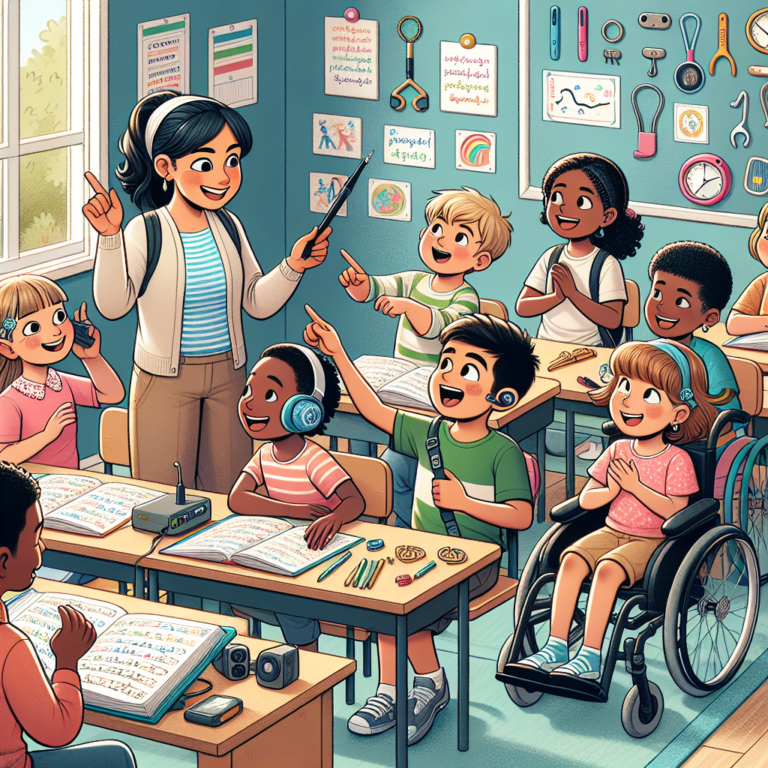
Mia, diagnosed with DCD, faced challenges with motor skills affecting her writing. Her school implemented an inclusive classroom with specialized tools, such as adaptive writing devices. Over time, Mia’s confidence and skills significantly improved.
Analysis: Mia’s experience highlights the role of adaptive strategies in educational settings, paralleling the theme of “From Diagnosis to Intervention: Addressing Neurodevelopmental Disorders.”
Step 5: Monitoring and Adjusting Interventions
Monitoring progress is crucial to understanding the effectiveness of interventions. Regular assessments, feedback from families, and data from educational settings should inform adjustments to the intervention plan.
The Role of Parents
Parents play a vital role in monitoring their child’s progress and advocating for necessary changes to interventions. Consistent communication between home and school settings is essential to ensure alignment.
Step 6: Community Support and Resources
Addressing neurodevelopmental disorders extends beyond direct interventions. Community resources can empower families and provide additional support.
Resources:
- Local Support Groups: Creating connections among families for shared experiences and coping strategies.
- Workshops and Training: For parents to understand and support their child’s needs better.
Conclusion
Navigating the journey from diagnosis to intervention in neurodevelopmental disorders can be daunting but immensely rewarding. Each step—recognition, evaluation, individualized intervention planning, and active engagement—represents an opportunity to enhance the lives of children and their families.
As we’ve explored, timely intervention can lead to meaningful change, highlighting the power of a coordinated approach in addressing these challenges. For parents and professionals, the insights shared here serve as tools, guiding the way toward a promising future filled with potential for every child diagnosed with a neurodevelopmental disorder.
FAQs
1. What are the most common neurodevelopmental disorders?
Common disorders include Autism Spectrum Disorder, ADHD, and Developmental Coordination Disorder.
2. How can I tell if my child needs an evaluation?
Look for signs such as delays in speech, unusual social behaviors, or difficulties with coordination.
3. What interventions are most effective?
Effectiveness varies per child, but approaches like ABA for autism and CBT for ADHD have shown success.
4. How can parents support their child during intervention?
Active engagement in interventions, consistent communication with educators, and joining support groups can be beneficial.
5. What resources are available for families?
Local support groups, specialized workshops, and counseling services can provide crucial support for families dealing with neurodevelopmental disorders.
In closing, the journey “From Diagnosis to Intervention: Addressing Neurodevelopmental Disorders” is not just a path for professionals; it is a collaborative effort, profoundly impacting families and individuals alike. Each child’s story is unique, and together we can foster environments that nurture their potential, ensuring that every step taken is towards empowerment and growth.
About the Author