From Stress to Serenity: The Ultimate Power of Animal Companionship
Introduction
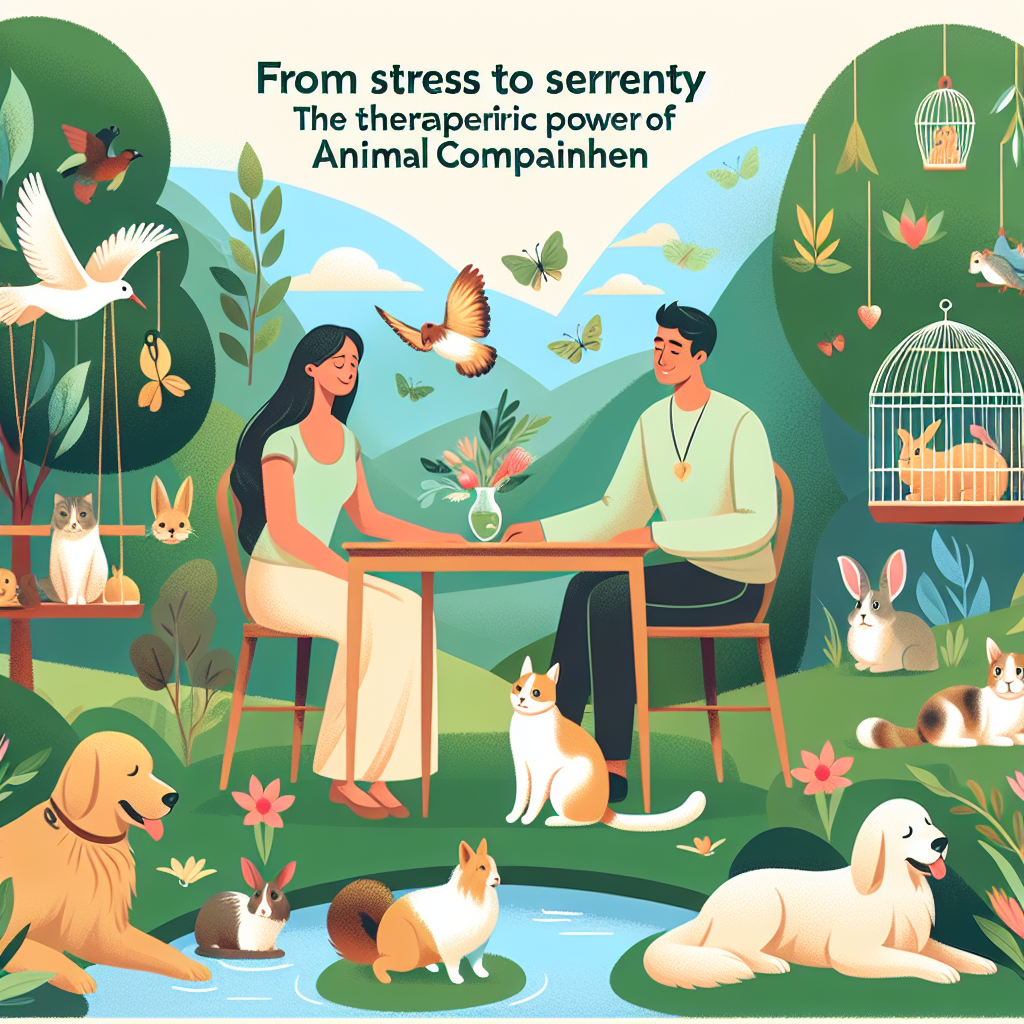
In a world that often feels overwhelming, where stress has become a prevalent companion for many, the virtues of animal companionship shine like a beacon of hope. From Stress to Serenity: The Therapeutic Power of Animal Companionship is a profound journey that explores how our furry, scaly, or feathered friends can transform our emotional landscapes. This article delves deep into understanding the psychological and physiological benefits of having animals in our lives, emphasizing how they can alleviate stress and usher us toward a state of serenity.
The Stress Crisis: An Overview
Stress is not just a buzzword; it’s a growing epidemic. According to the American Psychological Association, nearly 77% of people regularly experience physical symptoms caused by stress, and 73% report psychological symptoms. This reality prompts a critical inquiry: how can we combat this widespread issue? As we explore From Stress to Serenity: The Therapeutic Power of Animal Companionship, we find that animals can serve as transformative allies.
Case Study: A Day in the Life of Jenny and Max
Jenny, a young professional confined to the high-paced world of finance, describes her hectic life. However, everything changed when she adopted Max, a golden retriever. Initially, Jenny envisioned the usual pet-owner relationship but soon found something deeper. Walking Max daily not only provided her with physical exercise, it became her escape from deadlines and pressure. The companionship of Max significantly reduced her anxiety levels, demonstrating the incredible therapeutic power of animal companionship.
The Science Behind the Bond
Emotional Benefits
Unconditional Love: Animals provide genuine affection without the conditions that often accompany human relationships. This unconditional love fosters a safe space for emotional release.
- Companionship: Loneliness can exacerbate stress. A loyal companion offers endless comfort, decreasing feelings of isolation.
Physiological Benefits
The presence of animals triggers physiological changes in our bodies. For example, interacting with animals increases the production of oxytocin, often referred to as the "love hormone," while lowering cortisol levels (the stress hormone).
Table 1: The Physiological Effects of Animal Companionship
| Effect | Hormone Increased | Hormone Decreased |
|---|---|---|
| Interaction with Pets | Oxytocin | Cortisol |
| Looking at Animals | Dopamine | N/A |
| Physical Touch | Serotonin | N/A |
Case Study Analysis: Sarah and Whiskers
Sarah, a university student, struggled with anxiety and depression. She found solace in her cat, Whiskers. Alleviating feelings of loneliness, the cat’s presence notably improved her academic performance due to the decreased stress load. This case underscores the dual psychological and physiological benefits of animal companionship, aligning with the central theme of From Stress to Serenity: The Therapeutic Power of Animal Companionship.
Building a Bond: How to Cultivate Therapeutic Relationships
Choose the Right Pet
The first step in fostering emotional serenity through companionship is choosing the right animal. Here’s a brief guide:
- Dogs: Great for active individuals. Promote social interactions.
- Cats: Ideal for those with quieter lifestyles. Provide low-maintenance affection.
- Small Mammals: Rabbits or hamsters are excellent for children, offering responsible pet care education.
- Birds: Known for their vocal nature, they can brighten any home environment.
Case Study: The Pet Adoption Experience
A community in Ohio initiated a pet adoption program aimed at promoting mental well-being for at-risk youth. Within six months, the participants showed a significant decline in anxiety symptoms, highlighting the influence of a well-chosen pet on mental health.
Activities with Animal Companionship
Mindfulness and Presence
Incorporating mindfulness practices while with your pet can amplify the stress-relieving benefits:
- Walking Meditation: Mindful walks with your dog.
- Cuddle Time: Snuggling with your cat while practicing deep breathing exercises.
Foster and Volunteer
Engaging with animals through fostering or volunteering at shelters can enhance emotional well-being while contributing to the community. This process not only fosters compassion but also provides therapeutic benefits.
Addressing Common Concerns
FAQ 1: Can all pets provide therapeutic benefits?
Yes, any animal can foster companionship, though the intensity of the bond may vary.
FAQ 2: What if I have allergies?
Consider hypoallergenic breeds or smaller pets like fish or reptiles that require less environmental exposure.
FAQ 3: How can I introduce my pet to my family?
Start slow, ensuring each family member has a positive introduction experience. Gradually allow more interaction as comfort levels increase.
FAQ 4: What if my pet isn’t as affectionate?
Every animal has its unique personality. Understanding this can help manage expectations and nurture a different, yet equally rewarding bond.
FAQ 5: Are therapy animals strictly for the disabled?
No, anyone can benefit from the companionship of therapy animals, offering priceless emotional comfort.
Conclusion: Journey From Stress to Serenity
The transition From Stress to Serenity: The Therapeutic Power of Animal Companionship is a multifaceted journey that emphasizes the critical role animals play in our emotional health. Indeed, the compelling stories of countless individuals like Jenny, Sarah, and communities embracing animal companionship underline how these relationships can result in profound personal transformations.
As we reflect on the invaluable benefits described, consider integrating an animal into your life, or support those in need through shelters. The journey of serenity awaits, and often, it begins with a wagging tail or a gentle purr.
Final Motivational Insight
Take the first step toward embracing the serenity that animal companionship offers. Remember, life may sometimes be overwhelming, but an animal’s unconditional love can guide you from a place of stress to a sanctuary of peace.
In a time when stress can feel insurmountable, the therapeutic bonds we form with our animal companions can be the key to enduring calm and joy. Let’s cherish these relationships and allow them to evolve toward serenity.
About the Author