From Struggle to Success: Essential Classroom Strategies for Learning-Disabled Learners
Introduction: Unleashing Potential
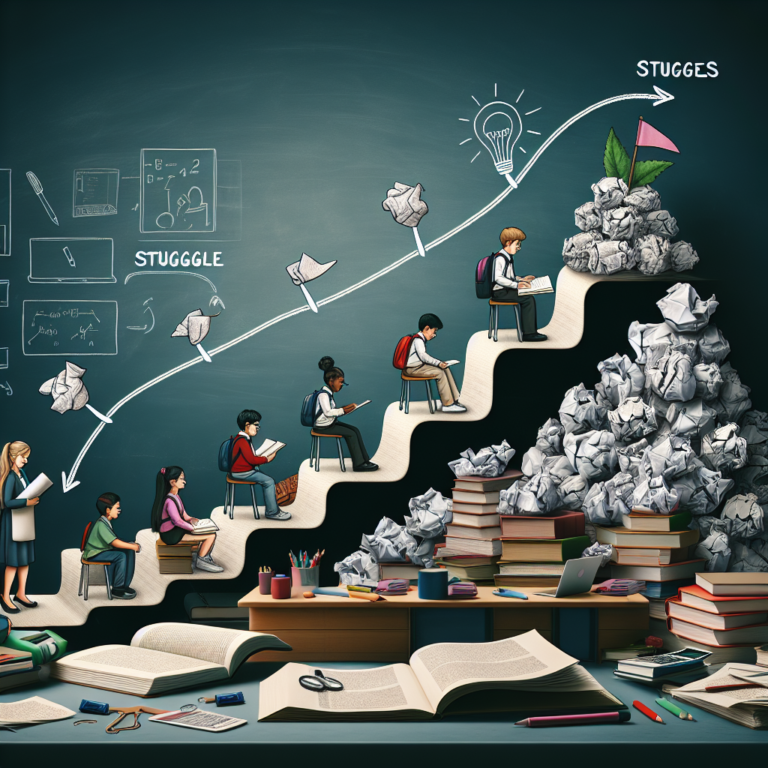
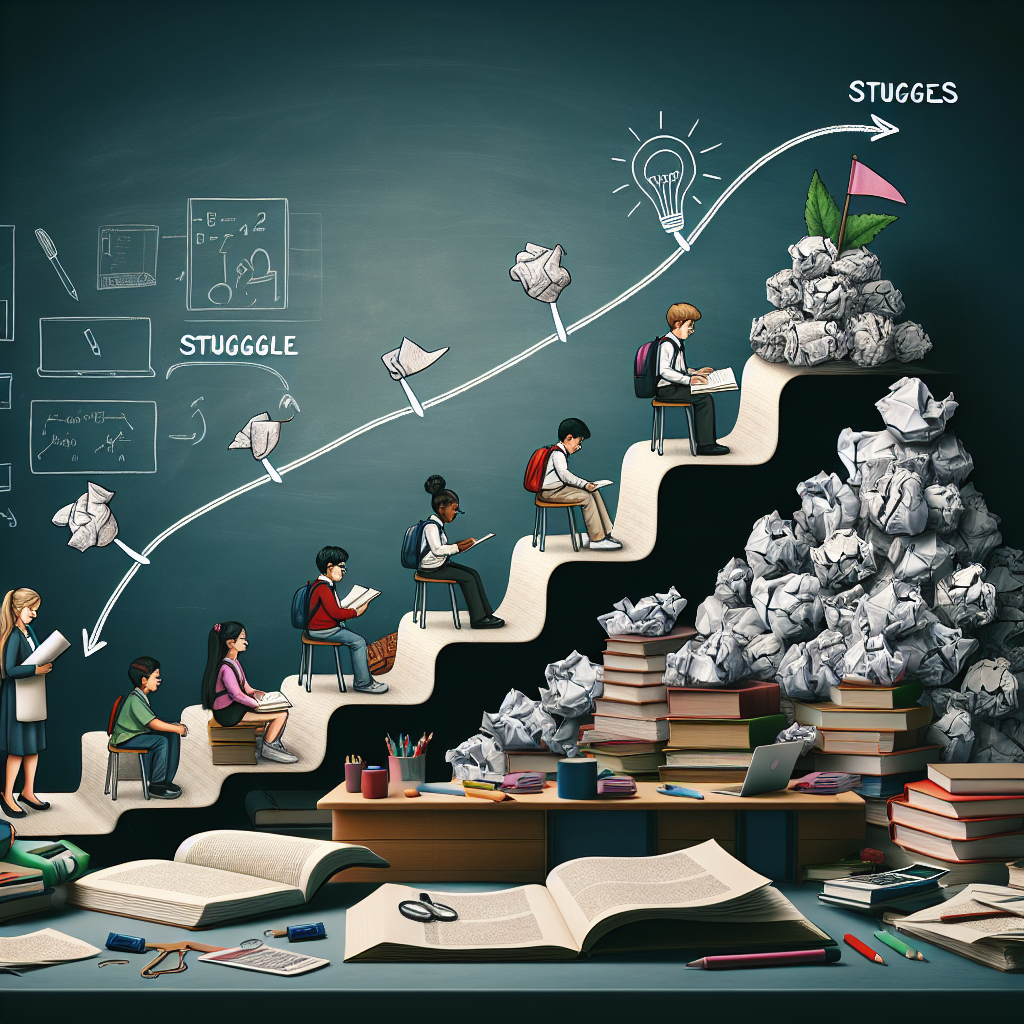
Imagine stepping into a classroom where every student, regardless of their challenges, can engage, learn, and thrive. For educators, the vision of transforming struggles into successes for learning-disabled learners is not just a goal—it’s a journey filled with discovery and creativity. In this article, we will explore "From Struggle to Success: Classroom Strategies for Learning-Disabled Learners," equipping teachers with essential techniques to foster an inclusive environment that celebrates diversity in learning styles.
The need for effective classroom strategies for learning-disabled learners has never been more crucial. With approximately one in five students receiving special education services, the responsibility lies with educators to create engaging and supportive spaces for every learner. Together, we can bridge the gap between struggle and success, creating a classroom environment where all students feel valued and capable.
Understanding Learning Disabilities: A Foundation for Success
Before diving into specific strategies, it’s essential to grasp the types of learning disabilities and their effects on students. Learning disabilities (LD) can manifest in various forms, such as dyslexia, dyscalculia, and ADHD, impacting reading, writing, and mathematical abilities, which often leads to emotional struggles as well.
Common Types of Learning Disabilities
| Type of Learning Disability | Description |
|---|---|
| Dyslexia | Difficulty with reading and language processing. |
| Dyscalculia | Challenges in understanding numbers and mathematical concepts. |
| ADHD | Trouble focusing, impulsivity, and hyperactivity that can hinder learning. |
| Dysgraphia | Difficulties in writing, including spelling, handwriting, and organizing thoughts. |
Case Study: James and Dyslexia
Meet James, a bright third-grader with dyslexia. Struggling with reading to the point of becoming reluctant to participate in class, the traditional methods of instruction only heightened his frustration. However, with tailored strategies, including multi-sensory learning techniques and the use of audiobooks, James gradually shifted from struggle to success, demonstrating improved reading skills and newfound confidence.
Classroom Strategies That Make a Difference
As educators, embracing diverse strategies will not only empower learning-disabled learners but can also enhance the experience for all students. Here are several essential strategies:
1. Multi-Sensory Learning
Multi-sensory instruction engages multiple senses, enhancing retention and understanding. This approach employs visual aids, auditory components, and kinesthetic activities, catering to various learning styles.
Example: Using Clay for Math
Instead of standard pencil and paper, have students create numbers with clay to understand values visually and physically.
2. Clear and Consistent Instructions
Direct, clear instructions can alleviate the anxiety and confusion associated with learning disabilities. Utilize visual aids like charts and bullet points to enhance comprehension.
Tip: Systematically repeat instructions and check for understanding to ensure clarity.
3. Flexible Seating Arrangements
Seating arrangements can greatly impact focus and comfort. Allowing students to choose their seating can empower them, leading to increased engagement.
Case Study: Emily and Flexible Seating
Emily, a student with ADHD, thrived when given a choice of bean bags, standing desks, or traditional chairs, leading to greater focus on her studies.
4. Technology Integration
Incorporating technology can create personalized learning experiences. Tools like text-to-speech software, educational apps, and digital platforms enable students to access materials in varying formats.
| Technology Tool | Benefits |
|---|---|
| Text-to-Speech Software | Assists in reading comprehension. |
| Educational Apps | Engages learners through interactive experiences. |
| Digital Organization Tools | Helps students structure their work. |
5. Encourage Peer Support
Fostering a classroom culture where students support one another dramatically increases motivation. Pair learning-disabled learners with peers who can mentor them in various subjects.
Case Study: The Buddy Program
A program pairing sixth-graders with learning disabilities with empathetic eighth-graders resulted in improved academic performance and emotional well-being for both parties.
6. Focused Feedback and Celebrations of Success
Celebrate even the smallest victories. Consistent, positive reinforcement provides motivation and reinforces successful behaviors.
Understanding Individual Learning Profiles
Tailoring strategies to individual profiles can amplify success. Use IEPs and 504 Plans as guides to understand each student’s unique challenges and strengths.
Time for Reflection: Analyzing Strategies
Each of the strategies highlighted above plays a crucial role in transforming the classroom environment. For example, the case of James demonstrates how multi-sensory learning can make a substantial difference in reading. Meanwhile, Emily’s experience shows that flexibility in seating contributes to enhanced focus.
Chart: Effective Strategies Overview
| Strategy | Impact on Learners | Implementation Tips |
|---|---|---|
| Multi-Sensory Learning | Increases understanding through engagement | Keep materials varied and interactive. |
| Clear Instructions | Reduces anxiety and confusion | Use visuals to supplement oral instructions. |
| Flexible Seating | Enhances focus and comfort | Allow students freedom to choose. |
| Technology Integration | Facilitates personalized learning | Introduce diverse tools incrementally. |
| Peer Support | Boosts motivation and connection | Create structured peer mentorship opportunities. |
| Focused Feedback | Encourages progress with reinforcement | Praise effort and celebrate achievements. |
Conclusion: Empowering All Learners
The road from struggle to success in education isn’t linear, but it’s filled with opportunities for growth, innovation, and creativity. By implementing effective classroom strategies for learning-disabled learners, educators can create an inclusive environment that fosters resilience, confidence, and academic success.
Final Thought
As we strive to transform classrooms into nurturing spaces for every learner, remember that celebrating progress—no matter how small—builds a culture of positivity and growth. Equip yourself with these strategies, and witness the profound impact you can have on your students’ lives.
FAQs About Strategies for Learning-Disabled Learners
1. What is a learning disability?
A learning disability is a neurological disorder that affects how a person processes information, making it difficult for them to learn in a traditional manner.
2. How can I identify if a student has a learning disability?
Signs may include difficulties in reading, writing, or math, inconsistent academic performance, and challenges following instructions. Always consult with specialists for formal diagnosis.
3. Are accommodations necessary for learning-disabled students?
Yes, accommodations can provide the necessary support for students to succeed academically and socially, fostering an inclusive learning environment.
4. How can parents support their learning-disabled children?
Parents can advocate for their child’s needs, maintain open communication with teachers, and provide encouragement at home through supportive activities.
5. What role do relationships play in learning for these students?
Strong, supportive relationships contribute immensely to the motivation and emotional well-being of learning-disabled learners, enhancing their learning experience.
6. How can I measure the success of these strategies?
Regular assessments, progress tracking, and student feedback can help determine the effectiveness of implemented strategies and inform necessary adjustments.
Embracing "From Struggle to Success: Classroom Strategies for Learning-Disabled Learners" is not just a professional duty but a calling to make a lasting difference in the lives of students. Let’s embark on this transformative journey together, fostering an educational environment rich in understanding and opportunity.
About the Author