Hashtags and Heartbreak: Investigating Social Media’s Emotional Toll on Teens
Introduction
In today’s digital world, where social media is a ubiquitous part of teenage life, Hashtags and Heartbreak: Investigating Social Media’s Emotional Toll on Teens has never been more relevant. Social media platforms have become the new playgrounds for connection, expression, and sometimes, heartache. But beneath the polished photos and perfectly curated feeds lies a complex web of emotional turmoil. In this comprehensive exploration, we delve into how these electronic interactions impact the emotional well-being of our youth, offering both data-driven insights and relatable stories that shed light on the potential emotional toll.
The Duality of Social Media
The Positive Facet
First, let’s acknowledge the undeniable advantages that social media delivers. Platforms like Instagram, Snapchat, and TikTok allow teenagers to connect in ways that were unimaginable just two decades ago. A sense of community can blossom, making young users feel less alone during difficult times. According to a Pew Research study, 81% of teens feel empowered when they can express themselves online.
The Dark Side
However, this interconnectedness often comes at a price. The pursuit of likes, followers, and the ever-elusive validation can lead to anxiety, depression, and a host of other emotional challenges. The juxtaposition of sharing personal achievements against the backdrop of others’ highlight reels creates a perfect storm for insecurity. As we delve deeper into Hashtags and Heartbreak: Investigating Social Media’s Emotional Toll on Teens, we will explore this darker side, supported by real-world examples.
Emotional Responses to Social Media
The Speed of Connection and Comparison
One significant aspect of today’s social media landscape is the speed at which teens connect and compare themselves to one another. A mere click can expose users to their peers’ curated lives. This can evoke feelings of inadequacy, leading to emotional fallout. A study by the American Psychological Association found that teens who spend more time on social media report higher levels of anxiety and depression.
Case Study: The Effects of Comparison Culture
Consider the story of Lisa, a 16-year-old high school student who became addicted to her Instagram feed. Every day, she scrolled through photos of her peers at parties, on vacations, and showcasing their successes. Over time, she began to view her life—filled with ordinary moments—as mundane. This comparison led Lisa to feel isolated and unworthy. Her experience encapsulates the essence of Hashtags and Heartbreak: Investigating Social Media’s Emotional Toll on Teens; the digital realm often distorts reality, amplifying feelings of loneliness.
Cyberbullying: The Hidden Menace
Cyberbullying has emerged as one of the most sinister aspects of social media. Unlike traditional bullying, which may occur in specific physical spaces, cyberbullying can infiltrate a child’s life at any hour of the day. Online harassment leaves emotional scars that may take years to heal.
Case Study: The Downfall of Jason
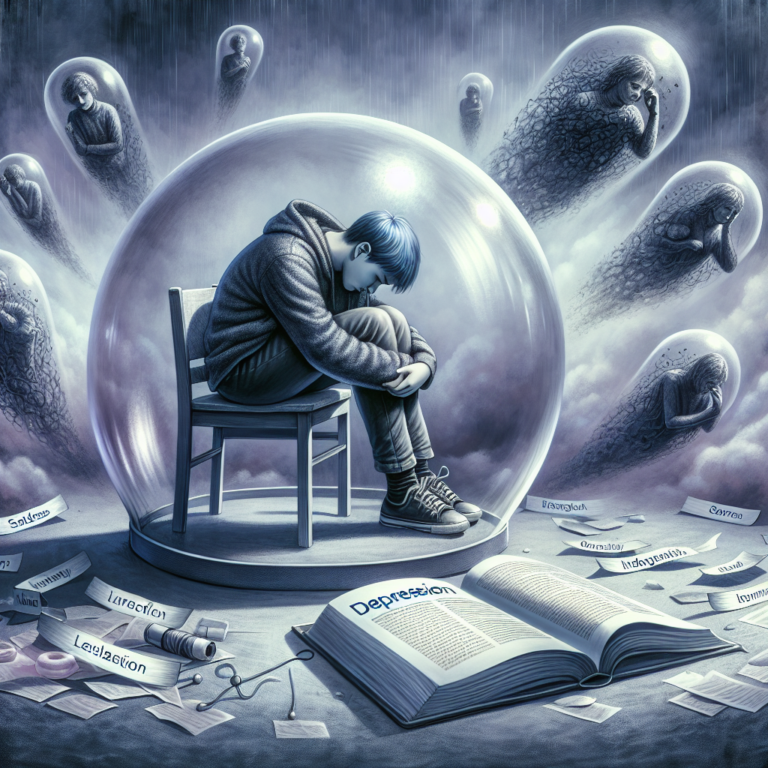
Meet Jason, a 15-year-old who faced relentless bullying via Snapchat. Mocking messages and derogatory memes about him proliferated online. This experience led Jason to depression and, ultimately, a tragic decision to withdraw from social connections entirely. His heartbreaking story underscores the urgent need to address the emotional toll of social media on youth—a focal point of Hashtags and Heartbreak: Investigating Social Media’s Emotional Toll on Teens.
The Science Behind Emotional Reactions
The Neuroscience of Social Media
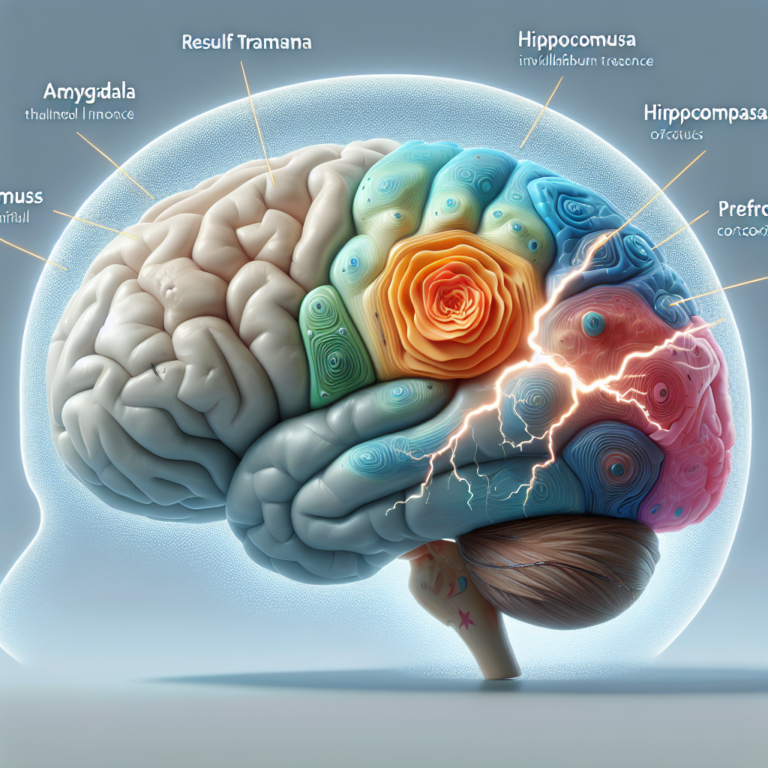
Research has shown that the brain’s reward system is heavily influenced by social media interactions. Dopamine, often called the "feel-good" neurotransmitter, is released when users receive likes, comments, or shares. This biochemical response can create an addictive cycle, leading teenagers to chase online validation at the expense of real-life relationships.
Table 1: Dopamine Release Events in Social Media Use
| Interaction Type | Dopamine Impact (High/Medium/Low) |
|---|---|
| Likes | High |
| Comments | Medium |
| Shares | High |
| Direct Messages | Medium |
| Unfollows/Negative Feedback | Low |
Impact on Mental Health
According to a report from the National Institute of Mental Health, adolescents who use social media excessively are at a higher risk for mental health issues. Anxiety, depression, and feelings of isolation can manifest, exacerbated by constantly seeing other people’s highlight reels.
Case Study: The Warning Signs
Emma, a bright student, began to lose interest in her once-loved hobbies after she found herself engulfed in social media. Her happiness dwindled, and she began withdrawing from friends and family. After a deep evaluation, it became evident that her social media habits contributed significantly to her mental health decline, illustrating why Hashtags and Heartbreak: Investigating Social Media’s Emotional Toll on Teens is a vital topic of discussion.
Navigating the Emotional Minefield
Creating Healthy Boundaries
One of the most effective ways to mitigate the emotional toll is to establish healthy boundaries. Parents and guardians must play an active role in initiating discussions about social media usage. Setting limits on both the amount of time teens can spend and the types of content they consume can create a healthier digital environment.
Tips for Parents: Establishing Guidelines
- Open Conversations: Regularly engage your child in conversations about their social media experiences.
- Promote Digital Balance: Encourage offline activities like sports, reading, or creative projects.
- Educate on Privacy: Teach the importance of privacy settings and safe online interactions.
Mental Health Resources and Support
Access to mental health resources can make a significant difference. Schools and local organizations can partner to provide workshops that teach emotional resilience and digital literacy.
Table 2: Resources for Teen Mental Health
| Resource | Recommended Age Range | Type of Support |
|---|---|---|
| National Suicide Prevention Lifeline | All Ages | Crisis support |
| Teen Mental Health First Aid | 12-18 | Educational programs |
| Local Counseling Services | 12-20 | Professional therapy |
| School Counseling Centers | 12-18 | In-school resources |
The Role of Educators
Teachers can play an essential role in fostering emotional well-being by integrating lessons about social media awareness into their curricula. This can involve everything from discussing the impact of online interactions to teaching critical thinking skills that help teens navigate digital spaces more effectively.
Case Study: A School’s Initiative
At Lincoln High School, educators launched a social media awareness week, focusing on the positive and negative implications of digital interactions. The initiative not only educated students but also encouraged them to share their stories openly. The positive feedback showcased the importance of school involvement in addressing Hashtags and Heartbreak: Investigating Social Media’s Emotional Toll on Teens.
Personal Stories of Resilience
Overcoming Adversity
Despite the challenges, many teens are showing resilience in the face of social media-induced heartache. Take the story of 17-year-old Sarah, who, after suffering from anxiety induced by online comparisons, decided to turn her experience into motivation. She started a blog focused on authenticity in social media, aiming to change the narrative around perfection online. This shift not only helped her but empowered countless other teens to embrace their realities. Her journey exemplifies the potential for growth and resilience in battling the emotional impacts of social media.
Leveraging Social Media Positively
Many teens are using social media as a platform for advocacy and support networks. Hashtags like #MentalHealthAwareness and #SelfLove can foster positive conversations around mental health. These movements serve as lifelines for those struggling, creating communities that offer encouragement and support.
Conclusion
As we wrap up this exploration of Hashtags and Heartbreak: Investigating Social Media’s Emotional Toll on Teens, it’s clear that while social media can provide connection, it can also impose significant emotional challenges. Not all that glitters is gold, and a perfectly curated social media feed often hides underlying insecurities and struggles.
But the journey doesn’t end with awareness; actionable steps can be taken to mitigate this impact. By fostering open conversations, creating healthy digital boundaries, empowering educators, and promoting positive usage, we can help our youth navigate this complex digital landscape.
Together, we can encourage resilience and ensure our teens not only survive but thrive, using social media as a tool for self-expression, community building, and growth.
FAQs
1. How can I tell if my teen is affected by social media?
Look for signs such as increased withdrawal from family, changes in mood, declining academic performance, or obsessive behavior toward online interactions. Engaging openly with your teen about their experiences can provide additional clarity.
2. What are some signs of unhealthy social media use?
Symptoms may include anxiety when not online, constant comparisons to others’ lives, feelings of inadequacy, and reliance on likes or followers for self-worth.
3. Can social media ever be beneficial for teens?
Yes! When used mindfully, social media can foster community, provide a platform for self-expression, and support mental health advocacy. The key is balanced and responsible use.
4. What steps can parents take to protect their teens online?
Establish open lines of communication, set time limits on social media usage, encourage offline activities, and educate your teen about privacy settings and safe online interactions.
5. How can teens find support if they’re struggling with social media-related issues?
Teens can reach out to trusted adults, peer support groups, or mental health professionals. Many online platforms also offer resources for those struggling with mental health challenges.
In the age of Hashtags and Heartbreak: Investigating Social Media’s Emotional Toll on Teens, understanding and navigating social media’s impact on emotional health is crucial for today’s youth and their support systems. Let’s work together to create a healthier digital environment that nurtures our young people.
About the Author