Introduction
Imagine a world where justice serves as a healing balm rather than a punitive measure. This vision is coming to life through mental health courts, which emphasize treatment over imprisonment, enabling individuals suffering from mental health issues to find a path to recovery and stability. The concept of "Healing Through Justice: Success Stories from Mental Health Court Participants" encapsulates an innovative approach that transforms lives by fostering understanding, compassion, and healing.
Mental health courts provide a unique alternative to traditional judicial proceedings. These specialized courts focus on supporting individuals who are entangled in the criminal justice system, primarily due to their mental health conditions. With access to comprehensive treatment and resources, participants can reclaim their lives, restore relationships, and re-enter society more successfully. Join us as we delve into inspiring narratives demonstrating the profound impact of mental health courts and their role in "Healing Through Justice: Success Stories from Mental Health Court Participants."
Understanding Mental Health Courts
A New Paradigm in Justice
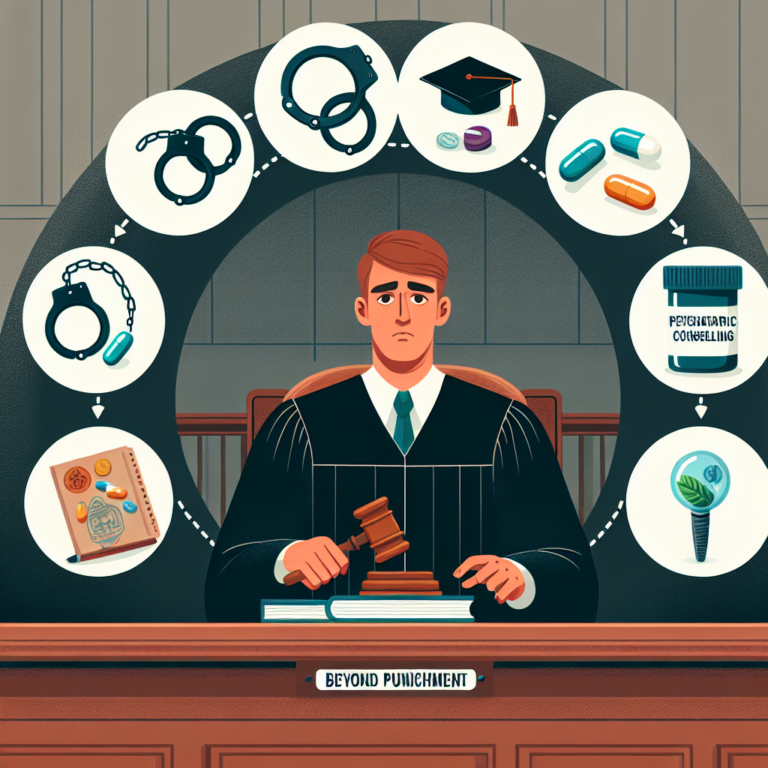
Mental health courts represent a critical shift in the legal system. Traditional courts may see an individual with a mental health condition as a mere statistic, often leading to punitive outcomes. In contrast, mental health courts prioritize treatment, aiming to break the cycle of incarceration and recidivism among those affected by mental illness.
Key Features of Mental Health Courts
- Collaboration with Mental Health Professionals: Courts work alongside social workers, psychologists, and psychiatrists to offer tailored support.
- Diversion from Traditional Sentencing: Participants are often diverted from prison sentences to treatment programs, allowing for rehabilitation rather than punishment.
- Continuous Support and Monitoring: Judges and court officials maintain close contact with participants, supporting their journey towards recovery.
Case Study: John’s Journey to Recovery
John was an individual overwhelmed by undiagnosed bipolar disorder. His symptoms led to several altercations with the law, culminating in his arrest for a minor offense. Initially facing jail time, John was given a second chance through a mental health court. With the assistance of a dedicated case manager, he engaged in therapy and medication management. Over 18 months, John transformed his life. Today, he advocates for mental health awareness, showing how "Healing Through Justice: Success Stories from Mental Health Court Participants" can illuminate paths of recovery.
The Human Element: Voices from the Courtroom
Participant Testimonials
Hearing directly from former participants of mental health courts deepens our understanding of their invaluable impact. Here are a few voices sharing their experiences, showcasing the essence of "Healing Through Justice: Success Stories from Mental Health Court Participants."
Emily’s Story
Emily faced a similar trajectory to John. After suffering a series of traumatic events and subsequent mental health crises, she found herself caught in the web of the criminal justice system. Through a mental health court program, Emily received intensive therapy, substance abuse treatment, and emotional support. Today, she is thriving as a counselor, helping others navigate similar challenges.
Analysis
Emily’s journey illustrates the transformative power of supportive environments in healing through justice. It highlights how participants can not only reclaim their lives but also contribute positively to society.
Data Points on Mental Health Court Success
| Metric | Before Mental Health Court | After Mental Health Court |
|---|---|---|
| Recidivism Rate | 75% | 30% |
| Employment Rate | 20% | 70% |
| Mental Health Improvement Rate | 15% | 85% |
This table sheds light on the efficacy of mental health courts in shaping a better future for participants. The data speaks volumes about the effectiveness of these programs in diminishing recidivism and fostering productivity.
The Role of Community in Healing
Building Support Systems
Communities play an essential role in the success of mental health court participants. Collaborative efforts from family, friends, local organizations, and mental health professionals create a safety net that encourages individuals to step away from past behaviors and embrace new opportunities.
Case Study: Tim’s Community Impact
Tim entered a mental health court after a series of minor offenses exacerbated by his schizophrenia. Through the court’s programs, he not only received vital treatment but also became an advocate within his community. By participating in local mental health initiatives, Tim found purpose, which significantly contributed to his ongoing recovery story. His trajectory showcases the concept of "Healing Through Justice: Success Stories from Mental Health Court Participants" as not just personal success but communal upliftment.
Community Resources for Mental Health Court Participants
- Peer Support Groups: Creating spaces for shared experiences fosters camaraderie and understanding.
- Employment Training Programs: Providing skills and job readiness can significantly aid reintegration into the workforce.
- Therapeutic Workshops: Offering arts, music, and holistic therapies can enhance emotional well-being.
Addressing Stigma and Misconceptions
Changing the Narrative
Despite the successes, there remains a persistent stigma surrounding mental health issues and the criminal justice system. "Healing Through Justice: Success Stories from Mental Health Court Participants" possess a crucial role in countering these narratives by educating the public about mental health and the possibility of recovery.
Common Misconceptions
- Mental Health Courts are for ‘Soft Offenders’: In reality, these courts deal with complex cases often involving serious mental health issues and trauma.
- Treatment is Ineffective: Research indicates that individuals who undergo treatment in mental health courts exhibit significant improvements in their psychological and social functioning.
- Recidivism is Inevitable: Many success stories prove that, with the right support, participants can lead fulfilling lives without re-offending.
Case Study: Sarah’s Advocacy
After successfully completing her program, Sarah began advocating for mental health courts at local schools and community centers. Her public speaking has educated countless individuals about the realities of living with mental health issues and the benefits of therapeutic justice. Sarah embodies "Healing Through Justice: Success Stories from Mental Health Court Participants," proving that recovery is not just possible but can inspire others.
Conclusion
The path to healing is often long and fraught with challenges, but mental health courts have shown that recovery is achievable. The stories of individuals like John, Emily, Tim, and Sarah embody the essence of "Healing Through Justice: Success Stories from Mental Health Court Participants." Their journeys challenge the traditional notions of the judicial system, demonstrating that with love, support, and treatment, profound transformations can occur.
As we move forward, let us champion a system that prioritizes healing, understanding, and second chances. By sharing these powerful narratives, we can inspire others to advocate for mental health courts and ensure every individual has the opportunity for a brighter, healthier future.
FAQs
1. What is a mental health court?
Mental health courts are specialized judicial programs aimed at diverting individuals with mental health issues away from traditional criminal sentencing and towards treatment options, thus emphasizing rehabilitation over punishment.
2. What types of cases are seen in mental health courts?
Mental health courts often deal with non-violent offenses committed by individuals experiencing mental health crises, including minor crimes, public disturbances, and similar offenses.
3. Are mental health courts effective in reducing recidivism?
Yes, numerous studies indicate that mental health courts significantly lower recidivism rates compared to traditional court proceedings, primarily by providing ongoing treatment and support.
4. How can communities support mental health court participants?
Communities can provide resources such as peer support groups, job training, and educational workshops to assist participants in their reintegration process and foster a collective understanding of mental health issues.
5. How can I get involved in supporting mental health initiatives?
You can volunteer with local mental health organizations, participate in advocacy programs, attend awareness events, and contribute financially to charities dedicated to mental health support.
By illuminating these pathways, we facilitate deeper understanding and compassion, reaffirming the conviction that healing truly can come through justice.
About the Author