Introduction
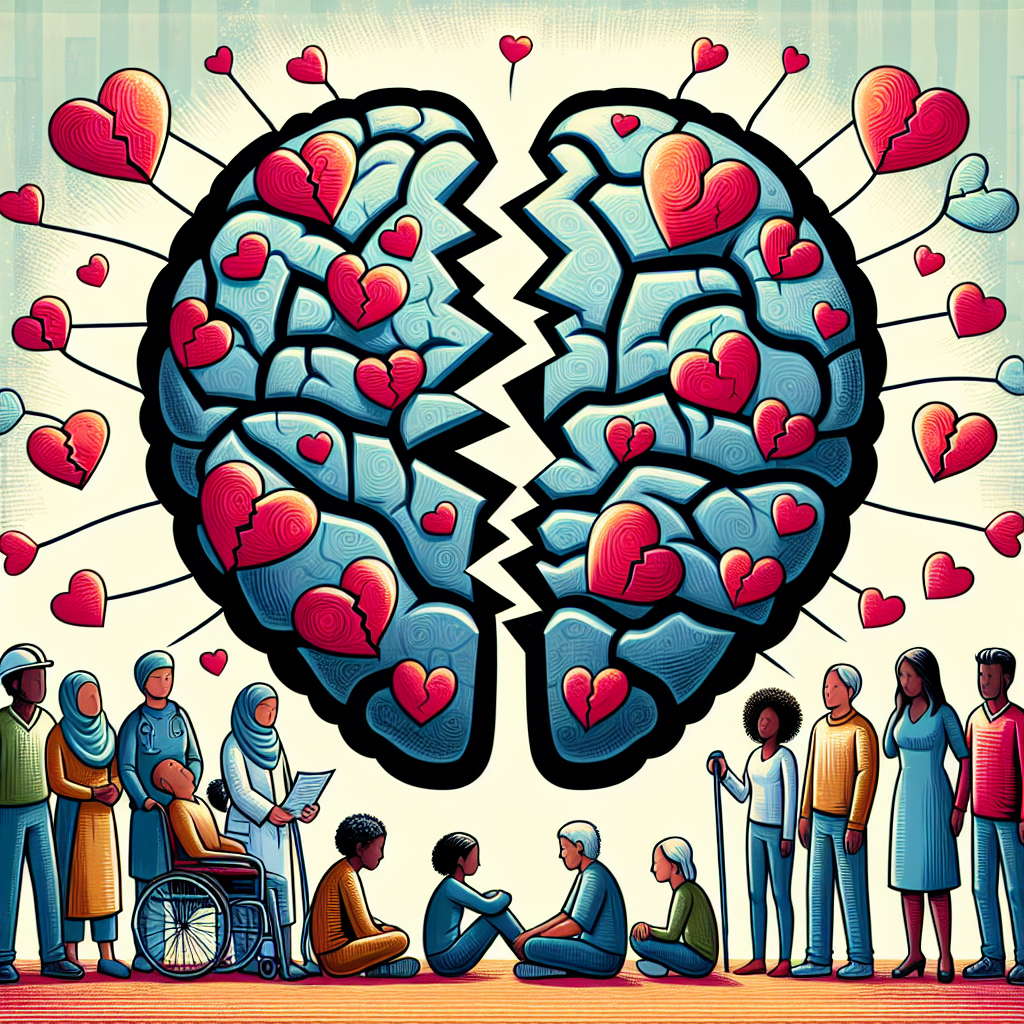
Acquired Brain Injury (ABI) can be a life-altering experience not just for the individuals who suffer from it, but also for their families and communities at large. As we delve deeper into this essential topic, we’ll uncover the multifaceted impacts of ABI, emphasizing the importance of understanding and support in navigating its repercussions. Our exploration of how acquired brain injury affects families and communities will reveal both the challenges brought about by ABI and the resilience that can emerge in its wake, ultimately highlighting paths to recovery and support.
The Basics of Acquired Brain Injury
What is Acquired Brain Injury?
Acquired Brain Injury refers to any brain damage that occurs after birth. This includes traumatic brain injuries (from accidents, falls, or violence) and non-traumatic injuries such as strokes, tumors, and anoxic brain injuries (due to lack of oxygen). Understanding the nature of ABI is crucial because the type of injury affects recovery paths and impacts.
Prevalence of ABI
Across the globe, ABI affects millions of individuals each year. According to the World Health Organization, approximately 69 million people experience a traumatic brain injury annually. This staggering number signifies a deep societal issue, raising questions about the implications for families and communities.
Table 1: Yearly Incidence of ABI
| Type of Injury | Annual Cases Worldwide |
|---|---|
| Traumatic Brain Injury | 69 million |
| Stroke | 15 million |
| Anoxic Injury | 1 million |
| Other Non-Traumatic | 7 million |
Personal and Family Impacts
Emotional Turmoil and Psychological Effects
Families are often the bedrock of support for individuals facing ABI, but this role can lead to emotional and psychological challenges. Caregivers may experience stress, grief, anxiety, and even depression as they navigate new roles. Research indicates that family members can suffer from "secondary trauma" as they witness their loved ones struggling with changes in personality, cognitive abilities, and emotional regulation.
Case Study 1: Emily’s Journey
Emily, a 34-year-old mother of two, suffered a severe traumatic brain injury in a car accident. Her family faced significant emotional upheaval, fearing the loss of Emily’s previous self. They had to adapt to her new communication difficulties and personality changes, leading to family frustration and distress. Community resources, like support groups, provided them the tools to strength the family unit.
Analysis: Emily’s story underscores the ripple effect of ABI on the emotional health of family members and highlights the necessity of support systems for caregivers.
Financial Strain and Resource Allocation
The financial implications of acquired brain injury can be profound. Medical bills, rehabilitation costs, and lost wages due to a caregiver’s need to stay home can drain family resources. The U.S. Centers for Disease Control and Prevention estimates that ABI costs the economy upwards of $77 billion annually, affecting not just families but the community’s economic fabric.
Table 2: Estimated Financial Impact of ABI
| Impact Category | Estimated Costs (Annually) |
|---|---|
| Medical Expenses | $29 billion |
| Lost Productivity | $38 billion |
| Caregiver Costs | $10 billion |
Communication Barriers
Communication often transforms dramatically after ABI, with individuals facing difficulties in language, comprehension, and social interactions. This change can create misunderstandings within the family unit, leading to isolation for both the person affected and their loved ones. Families may need to learn new communication techniques and strategies to maintain relationships.
Case Study 2: Mark’s Communication Challenges
Mark, a former high school teacher, suffered from a stroke that inhibited his ability to speak. His family struggled to connect with him as they adjusted to his new way of communicating. By attending speech therapy and workshops on ABI, they learned to adapt and found new ways to engage with Mark, fostering a supportive environment that encouraged improvement.
Analysis: Mark’s experience illustrates the significant shifts in family dynamics and the necessity for education and resources surrounding communication after ABI.
Community Impact
Enhanced Awareness and Education
Communities play a critical role in shaping the environment in which individuals with ABI can thrive. Increased awareness and education about ABI can encourage more supportive attitudes, dispel stigma, and foster empathy. Schools, workplaces, and local organizations can implement educational programs to enhance understanding.
Community Initiatives
Programs that offer training on how to engage with ABI survivors, either through workshops or public campaigns, can significantly shift communal attitudes toward ABI. This proactive approach can facilitate inclusion and support for families dealing with the aftermath of ABI.
Resource Accessibility and Support Networks
Communities need to provide accessible resources for families dealing with ABI, including rehabilitation services, counseling, and support groups. Effective community response can bridge gaps in individual family support, fostering networks where members can share experiences and resources.
Case Study 3: Local Support Groups
In a mid-sized town, local hospitals partnered with nonprofit organizations to create support groups for families affected by ABI. This initiative transformed the lives of countless families by offering a safe space for sharing experiences, bolstering emotional support, and providing practical advice in navigating life after ABI.
Analysis: The town’s initiative highlights the significance of community collaboration in creating a safety net for affected families.
Economic Impact on Local Communities
When families cope with ABI, it can have a ripple effect on the local economy. Loss of income from affected individuals and caregivers can lead to decreased spending in shops and businesses. Additionally, communities may need to allocate more resources to health services and social support systems, straining local budgets.
Financial Responsibility and Support
Investment in community rehabilitation and support services can mitigate some of these economic impacts. By actively engaging with affected families, communities can create robust support systems that allow individuals with ABI to reintegrate, boosting local economies.
Cultivating Resilience and Hope
Building Strong Family Dynamics
Families can actively work to cultivate resilience in the face of ABI. Strategies such as regular family meetings, open communication, and participation in rehabilitation programs can strengthen bonds. Emphasizing hope and the potential for recovery is essential in nurturing a supportive home environment.
Community Advocacy and Support
Collective advocacy within communities can lead to more appropriate services for those impacted by ABI. Collaborating with healthcare providers, educators, and local governments ensures that the needs of affected families are prioritized.
Case Study 4: Community Advocacy for ABI Awareness
A group of committed advocates in one community raised awareness about ABI through annual events, aimed at funding rehabilitation programs and creating educational resources. Their positive contributions fostered a collaborative spirit, allowing families to connect and share stories of resilience and recovery.
Analysis: The success of community advocacy exemplifies the power of collective action in improving conditions for families affected by ABI.
Conclusion
Understanding how acquired brain injury affects families and communities is crucial for creating supportive environments conducive to recovery. Families navigate a complex emotional and financial landscape while communities must respond proactively to foster inclusivity and provide necessary resources. By advocating for awareness, strengthening support networks, and promoting resilience, we can transform the challenges posed by ABI into avenues for personal growth and community cohesion.
Adopting a proactive, compassionate approach is not just beneficial; it’s essential for building a culture of understanding around acquired brain injuries. Together, we can empower families and communities to embrace change, champion resilience, and foster a future where everyone has access to the support they need.
FAQs
1. What are the main causes of acquired brain injury?
Acquired brain injuries can result from various factors, including traumatic incidents like car accidents, falls, and assaults, as well as medical conditions like strokes, tumors, and hypoxia.
2. How can families better cope with the emotional impact of ABI?
Families can benefit from open conversations, support groups, and professional counseling. Seeking therapies that focus on collective grief and recovery can foster unity.
3. What resources are available for communities to support ABI?
Communities can offer educational programs, rehabilitation services, and support groups. Collaborating with local health organizations and nonprofits promotes accessibility and awareness.
4. How can individuals with ABI reintegrate into community life?
Reintegration can be supported through vocational training programs, community activities, and social clubs tailored for individuals with ABI, promoting interaction and engagement.
5. What role do employers play in supporting individuals with ABI?
Employers can foster inclusive workplaces by implementing flexible work policies, providing training for coworkers, and ensuring accessible environments for employees recovering from ABI.
By understanding these critical aspects, we can begin to address how acquired brain injury affects families and communities, transforming lives in the process.
About the Author