Introduction
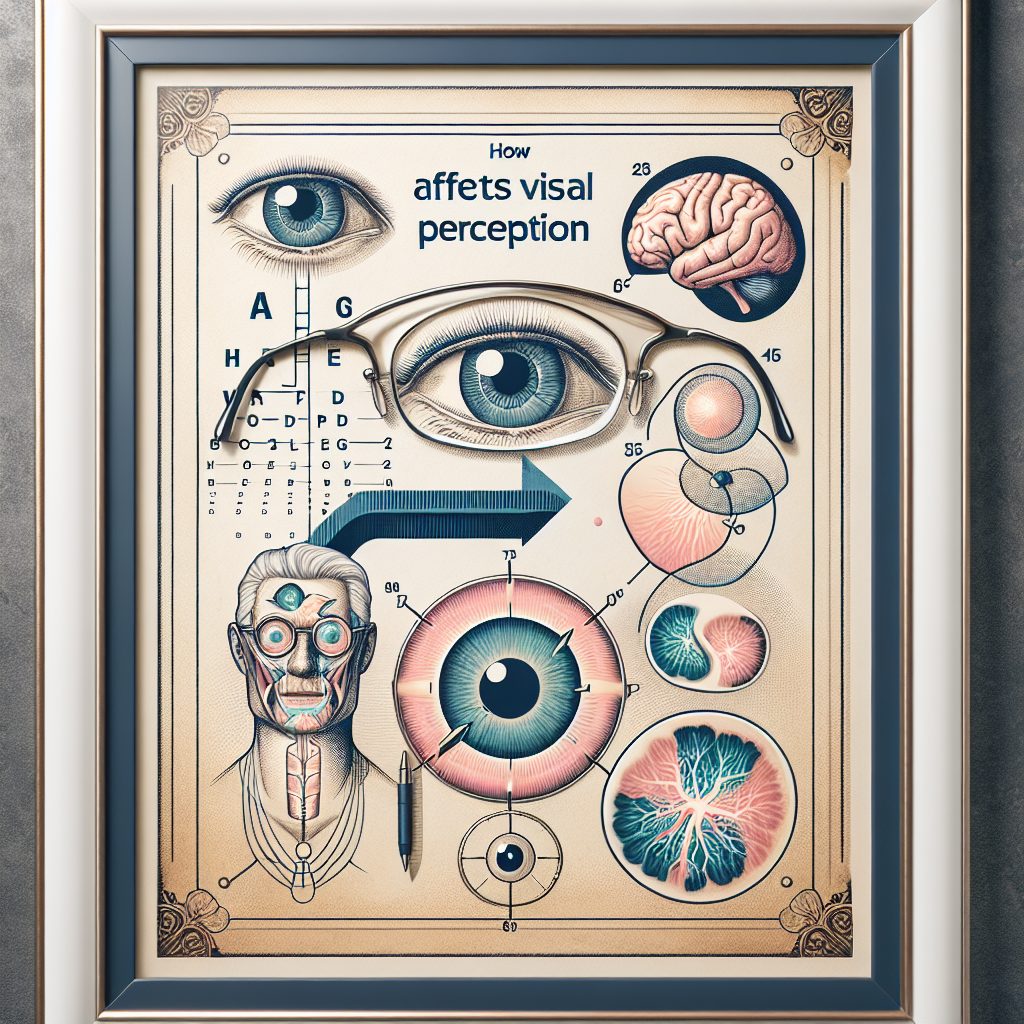
Have you ever noticed how your vision seems to change over time? Perhaps you’ve experienced difficulty reading fine print or found it harder to focus in dim light. Knowing that changes in our vision can be linked to the natural passage of time sheds light on a fundamental aspect of aging: How Age Affects Visual Perception: What You Need to Know. As we age, the mechanics of our eyes and the very way we perceive the world around us evolve, affecting everything from daily activities to overall quality of life. This article will delve into the multifaceted relationship between aging and visual perception, providing valuable insights and actionable steps to maintain eye health and adapt to these changes.
Understanding Visual Perception
Visual perception isn’t just about seeing; it’s a complex process that involves the brain interpreting visual stimuli. From recognizing faces to judging distances, our visual system plays a pivotal role in how we navigate the world. This section will explore the components of visual perception and how they can shift as we age.
The Components of Visual Perception
- Light Reception: The eye’s ability to capture light decreases due to lens clouding and changes in pupil size.
- Image Formation: The lens adjusts less effectively over time, making it challenging to focus on close objects.
- Brain Interpretation: Changes in neural processing speed can affect how quickly we react to visual stimuli.
How Aging Impacts These Components
As we age, these components become less efficient. For instance, the lens hardens, leading to conditions like presbyopia, where close objects become difficult to see. Furthermore, the retina’s sensitivity to light diminishes, causing challenges in low-light conditions, making nighttime driving particularly hazardous.
The Progression of Visual Perception Challenges
Common Age-Related Visual Conditions
Understanding the conditions that affect visual perception is critical in grasping How Age Affects Visual Perception: What You Need to Know. Here are some common age-related visual disorders:
Presbyopia: This condition typically starts around age 40 and results in a decreased ability to focus on close objects.
Cataracts: Clouding of the eye’s lens, leading to blurred vision and sensitivity to glare. Age is a significant risk factor.
Age-related Macular Degeneration (AMD): A leading cause of vision loss in older adults, AMD affects the retina and impacts central vision.
- Glaucoma: Increased pressure within the eye can lead to optic nerve damage, often without noticeable symptoms until significant vision loss occurs.
Real-World Case Study: Aging and Presbyopia
A 45-year-old teacher named Maria began to notice that she struggled to read her lesson plans without squinting or holding them farther away. After an eye exam, she was diagnosed with presbyopia. By incorporating reading glasses into her routine, she regained her confidence and improved her teaching effectiveness, illustrating the importance of understanding age-related changes in vision.
How to Mitigate Age-Related Visual Changes
Lifestyle Modifications
Diet: A diet rich in antioxidants, vitamins C and E, omega-3 fatty acids, and carotenoids can support eye health. Foods like spinach, carrots, and fish should be staples.
Regular Eye Exams: Schedule dilated eye exams at least once every two years. Early detection of issues like cataracts or AMD can significantly alter outcomes.
Sun Protection: Wearing UV-blocking sunglasses can help minimize damage from harmful rays.
- Limit Screen Time: To combat digital eye strain, utilize the 20-20-20 rule: every 20 minutes, look at something 20 feet away for at least 20 seconds.
Innovative Visual Aids and Technology
Advancements in technology have paved the way for innovative tools to assist with vision:
Progressive Lenses: Offering a seamless transition between different focal lengths, these lenses provide clear vision for both distance and near tasks.
- Smart Glasses: Wearable tech that can enhance vision by adjusting for lighting conditions or providing magnification.
Conclusion
In exploring How Age Affects Visual Perception: What You Need to Know, it becomes evident that aging isn’t synonymous with inevitable vision loss. While age-related changes are a natural part of life, they can be managed effectively. By adopting a proactive approach—embracing a healthy lifestyle, staying informed about regular check-ups, and utilizing modern technology—we can significantly enhance our visual perception at any age.
Remember, eye health embodies more than just seeing clearly; it opens the door to living a full and vibrant life.
FAQs
1. At what age do most people begin to notice changes in their vision?
Most people begin to experience changes around age 40, with presbyopia being one of the first noticeable issues.
2. Are there specific exercises to improve vision?
While there’s no scientific consensus on exercises to enhance vision, maintaining a healthy diet and practicing good eye habits can contribute to overall eye health.
3. How often should I have my eyes examined as I age?
Most eye care professionals recommend having a comprehensive eye exam every two years for those over 60 or those experiencing vision changes.
4. Can cataracts be prevented?
While there is no surefire way to prevent cataracts, reducing risk factors by protecting your eyes from UV light, quitting smoking, and maintaining a healthy diet may help.
5. Why do older adults struggle with glare and low light?
As we age, the eye’s lens becomes less flexible and more clouded, making it harder to adjust to lighting changes, which can amplify glare sensitivity.
By understanding How Age Affects Visual Perception: What You Need to Know, you can embrace the aging process with thoughtful strategies that protect your vision, ensuring you enjoy all life has to offer.
About the Author