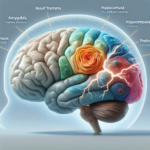
Master Your Emotions: Proven Techniques for Managing Anger Effectively
Introduction
In today’s fast-paced world, emotions can often feel like a runaway train. Among them, anger stands out as both a powerful motivator and a destructive force. Imagine being able to channel this intense emotion into something constructive rather than letting it spiral out of control. Master Your Emotions: Proven Techniques for Managing Anger Effectively not only empowers you to take control over this fierce emotion but also enhances your overall well-being and relationships. In this article, we’ll delve deep into actionable techniques, backed by real-world case studies, to turn anger management from a daunting task into a personal mastery.
Understanding Anger: The Trigger and the Consequence
The Nature of Anger
Anger is an emotional response to perceived threats or injustices. It serves a vital function, signaling that something is wrong. However, when it’s not managed correctly, it can lead to destructive outcomes—both personal and professional.
Table: Types of Anger Responses
| Type | Description | Example |
|---|---|---|
| Passive | Suppressed or repressed emotions, leading to resentment | Avoiding confrontation |
| Aggressive | Outwardly expressed emotions, leading to conflicts | Yelling or physical altercations |
| Assertive | Constructively expressed emotions, leading to solutions | Calm discussions of issues |
Case Study: Understanding Triggers
Jessica, a 32-year-old project manager, frequently found herself frustrated during team meetings. Her anger often erupted over trivial issues, undermining her authority. A pivotal moment came after a session where she identified her triggers—her colleagues’ interruptions and lack of preparation. By mastering her emotions using proven techniques, Jessica transformed not just her interaction style but also her entire team dynamic.
Techniques for Managing Anger Effectively
1. Recognize Your Triggers
The first step in mastering your emotions is understanding what triggers your anger. Keeping an anger journal can serve as an invaluable tool. Note the situations that make you angry and analyze your responses.
Actionable Tip:
Set aside a few minutes at the end of each day to jot down moments that provoked anger. Over time, you’ll identify patterns and develop a greater awareness of your emotions.
2. Practice Deep Breathing
Deep breathing serves as an immediate remedy for anger. It activates your parasympathetic nervous system and helps bring your thoughts back into focus.
Step-by-Step Guide:
- Inhale deeply through your nose for a count of four.
- Hold that breath for four counts.
- Exhale slowly through your mouth for six counts.
- Repeat until you feel calmer.
3. Think Before You Speak
When anger flares, we often say things we don’t mean. Take a step back and think before reacting. Ask yourself: "What do I hope to achieve by expressing this anger?"
Case Study: The Power of Pause
Mark, a father of two, often lost his temper during family disagreements. After implementing the technique of pausing, he found that his relationships improved significantly. Instead of responding out of anger, he started taking a moment to consider the best way to articulate his feelings.
4. Use ‘I’ Statements
Using ‘I’ statements can be an effective way to express your feelings without sounding accusatory. Instead of saying "You never listen," try reframing it to "I feel frustrated when I’m not heard."
| I Statement | Classic Accusation |
|---|---|
| I feel overwhelmed when… | You always ignore my needs… |
| I need some quiet time… | You never give me space… |
| I would appreciate it if… | You’re always inconsiderate… |
5. Engage in Physical Activity
Exercise is a powerful stress reliever. Activities such as running, yoga, or even a brisk walk can help dissipate feelings of anger while restoring balance to your emotions.
Case Study: Finding Release Through Exercise
Tom, a corporate lawyer, channeled his frustration from demanding clients into a consistent running routine. Not only did he improve his physical health, but he also found that regular exercise helped him manage stress and anger more effectively.
6. Practice Mindfulness
Mindfulness teaches us to be present in the moment, which can aid tremendously when experiencing anger. Engage in mindfulness activities like meditation or yoga to cultivate a calm center.
Benefits of Mindfulness:
- Reduces the intensity of angry emotions
- Improves responses to stress
- Enhances emotional regulation
Monitoring Progress
Reflect and Adjust
After implementing these techniques, it’s essential to monitor your progress. Reflect on your emotional state regularly and adjust your strategies as needed.
| Area | Initial Assessment | After 3 Months | Further Adjustments Needed |
|---|---|---|---|
| Trigger Awareness | Poor | Moderate | Continue journaling |
| Deep Breathing Usage | Rare | Regular | Explore other techniques |
| Physical Activity Frequency | Inconsistent | 3x per week | Set specific goals |
Conclusion
Mastering your emotions, particularly anger, is not merely about suppression. It’s about understanding, processing, and transforming this powerful emotion into a constructive force. The techniques elucidated in Master Your Emotions: Proven Techniques for Managing Anger Effectively provide an actionable framework for harnessing anger in a way that can ultimately lead to deeper connections and greater personal growth.
As you embark on this journey, remember that mastery is a continuous process. Take small, consistent steps, and you’ll find yourself not just managing your anger but flourishing because of it. Embrace the challenge, and let it lead you to a more peaceful and fulfilling existence.
FAQs
1. What is the best first step to manage anger?
The best first step is to recognize your triggers. Keeping an anger journal can help you identify what makes you angry.
2. How can physical activity help reduce anger?
Physical activity releases endorphins and provides a healthy outlet for pent-up emotions, contributing to an overall reduction in stress and anger.
3. What are ‘I’ statements, and why are they effective?
‘I’ statements allow you to express your feelings without blaming others, which can facilitate healthier communication.
4. How does mindfulness contribute to anger management?
Mindfulness teaches you to stay present, reducing the intensity of your emotional responses and helping you break the cycle of reactive anger.
5. Can anger management techniques be applied in daily life?
Absolutely! Techniques such as deep breathing, mindfulness, and effective communication can be integrated into your daily routine to foster emotional resilience.
By applying these insights, you’ll pave the way for a more balanced and controlled emotional landscape. Remember, mastering your emotions is a lifelong journey—embrace each step toward improvement.
About the Author