Introduction
In an era where screens dominate our leisure time and influence public discourse, the portrayal of gender in film and television has become an essential topic. "Media Representation: How Film and TV Are Reshaping Gender Norms" isn’t just a catchy phrase; it encapsulates a cultural phenomenon that deeply influences societal perceptions, attitudes, and behaviors. As narratives evolve on our screens, so too do the values and expectations surrounding gender, challenging stereotypes and offering new pathways for identity and expression. Understanding this interplay between media representation and gender norms is not just academic; it is fundamental to how we perceive ourselves and others in society today.
The Scope of Media Representation
Defining Media Representation
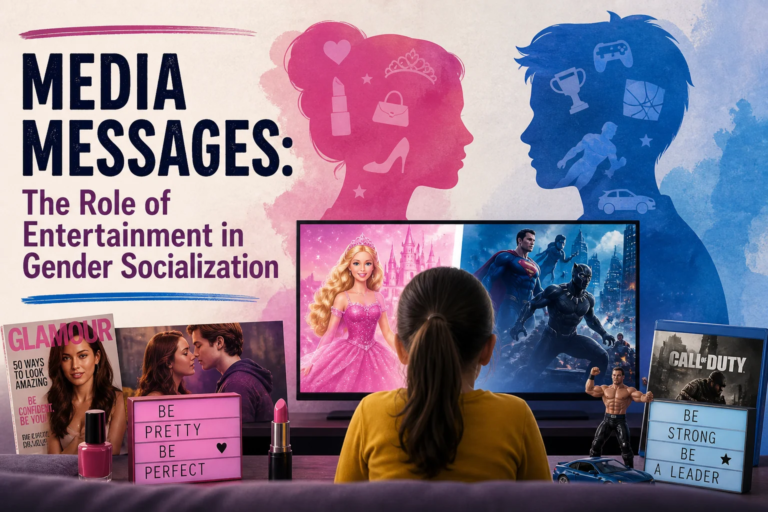
Media representation refers to the way different groups, communities, and individuals are portrayed in various forms of media. This portrayal can be influential, as it often shapes audience perceptions of reality. Particularly in film and television, representation can either reinforce or disrupt existing gender norms, allowing for broader discussions on identity, power, and life choices.
Why It Matters
The statistics are compelling. According to a 2020 report from the USC Annenberg Inclusion Initiative, women comprised only 31.8% of speaking characters in films. In stark contrast, content featuring complex female characters correlated with an increase in positive perceptions of gender equity. This emphasizes the crucial role that "Media Representation: How Film and TV Are Reshaping Gender Norms" play, as diverse portrayals inspire audiences to rethink outdated stereotypes.
Historical Context: An Evolving Landscape
From Traditional Roles to Nuanced Characters
Historically, gender representation in film and TV leaned heavily into binary roles—males as dominant figures, women as passive or supporting characters. Walt Disney’s early films, for example, showcased princesses who were often portrayed as dependent on male heroes. However, shifts began occurring in the late 20th century.
Case Study: "Thelma & Louise" (1991)
This landmark film featured two strong female leads who broke away from traditional roles, embarking on a journey of self-discovery. Its impact was evident as it challenged the norms of female representation and encouraged other films to craft strong, multi-dimensional women in lead roles.
The Rise of Gender Fluidity in Media
With the onset of the 21st century, gender representation began to include a spectrum of identities. Today, films and television shows are starting to include characters that reflect non-binary and gender-fluid experiences.
Case Study: "Pose" (2018-2021)
"Pose" is notable not just for its inclusion of transgender characters but also for its storyline, which revolves around the LGBTQ+ ball culture in New York City. By centering on these narratives, the show challenges traditional notions of gender, promoting acceptance and visibility.
Media Representation’s Role in Shaping Norms
Influence on Audience Perception
Media representation functions not only to entertain but to construct societal norms. The characters we watch and the stories we engage with affect our beliefs about gender roles.
Data Overview
| Gender Identity | Percentage of Characters | Audience Perception (Positive/Neutral/Negative) |
|---|---|---|
| Male | 60% | 45% Positive |
| Female | 30% | 40% Positive |
| Non-binary | 10% | 60% Positive |
This table highlights how varied representations correlate with audience perceptions, showcasing the encouraging trend towards inclusivity.
Breaking Down Stereotypes Through Complexity
As narratives become more complex, characters are depicted in a manner that reflects genuine human experience rather than caricatures tied to their gender.
Case Study: "Killing Eve" (2018-2022)
"Killing Eve" features two multifaceted female leads that defy conventional roles. Villanelle, a psychopathic assassin, presents a stark contrast to Eve, an intelligence officer, ultimately showing that women can be both fierce and vulnerable. This complexity resonates with audiences and promotes nuanced understandings of gender.
The Impact of Viewership Trends
Social Media: A Double-Edged Sword
Social media platforms have empowered audiences to voice their opinions, leading to increased accountability for creators in the representation of gender. Movements such as #MeToo and #OscarsSoWhite underscore the demand for change in how media representation functions.
Case Study: #MeToo Movement
The #MeToo movement ignited discussions regarding the portrayal and treatment of women in the media, leading to greater scrutiny of how sexual harassment and gender-based violence are depicted on-screen. This has prompted a shift in narratives, making them more responsible and sensitive.
Global Perspectives on Media Representation
Cross-Cultural Comparisons
Different cultures offer varied portrayals of gender. For example, Bollywood films often reinforce traditional gender norms, while South Korean dramas are increasingly featuring stories focusing on women’s empowerment.
Case Study: "The Handmaiden" (2016)
This South Korean film not only offers a thrilling narrative but also plays with gender dynamics, subverting traditional roles and showcasing strong female characters who challenge the patriarchal structures.
The Road Ahead: Future Directions for Media Representation
The Demand for Diversity Behind the Camera
One of the most effective means of ensuring authentic representation is to have diverse voices involved in the creation of media. Hollywood and global cinema are increasingly recognizing the need for this inclusivity.
Case Study: "Black Panther" (2018)
Not only does "Black Panther" feature a primarily Black cast, but it also boasts a diverse team of creators who bring authenticity to the story. As a result, the film was praised for its progressive portrayal of both masculinity and femininity.
Conclusion
In our increasingly interconnected world, film and television hold tremendous power in shaping societal values and breaking down outdated gender norms. "Media Representation: How Film and TV Are Reshaping Gender Norms" is more than an academic concept; it is a movement that demands our attention. As audiences, we must advocate for representation that reflects the complexity of human identities, fostering empathy, and understanding across gender lines. The future of media representation is bright and full of potential—let’s engage with it meaningfully.
FAQs
1. Why is media representation important?
Media representation is crucial because it shapes societal perceptions and norms regarding gender, influencing how individuals view themselves and how they interact with others.
2. How can I support better representation in media?
You can support better representation by consuming media that showcases diverse narratives, advocating for creators from underrepresented backgrounds, and voicing your opinions on platforms like social media.
3. What are some examples of positive media representation?
Movies like "Thelma & Louise," "Wakanda Forever," and shows like "Pose" illustrate positive media representation by depicting complex, nuanced characters that challenge traditional gender norms.
4. How do stereotypes in media affect society?
Stereotypes in media can perpetuate harmful norms and limit the understanding of gender diversity, impacting how individuals view themselves and each other.
5. What changes are needed moving forward?
We need greater diversity in storytelling and behind-camera roles, authentic portrayals of marginalized communities, and ongoing conversations about representation to foster an inclusive media landscape.
By closely examining the rich tapestry of media representation, we can all contribute to a world that is more empathetic and inclusive, one story at a time.
About the Author


The PsyForU Editorial Collective is the research and editorial team of PsyForU Research International. The collective prepares educational, psychological, mental-health-awareness, inclusion, neurodiversity, and research-methodology content for students, parents, educators, researchers, and general readers. PsyForU content is intended for awareness, education, and capacity-building and should not be treated as clinical diagnosis, therapy, medical advice, legal advice, or emergency mental-health support.