Introduction
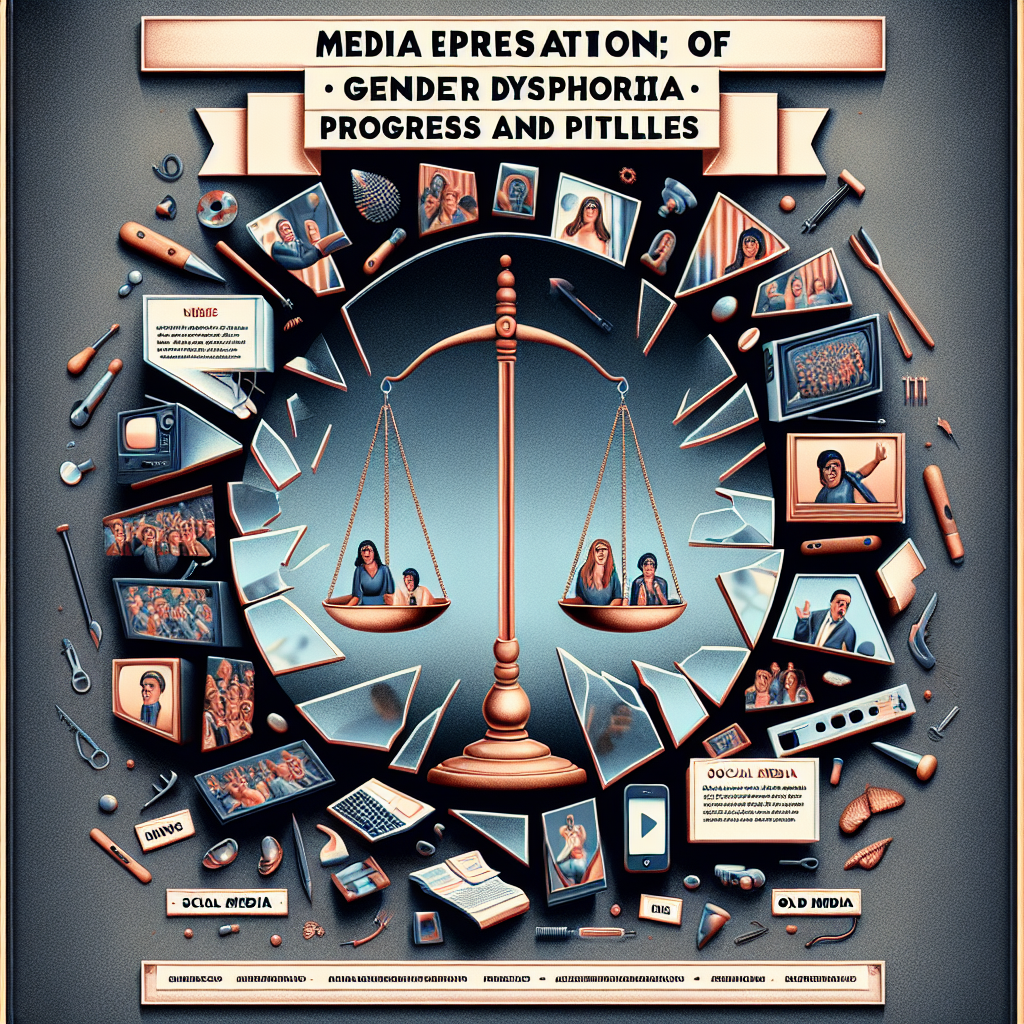
In today’s rapidly evolving cultural landscape, discussions surrounding gender identity are more prominent than ever before, leading to a deeper understanding of various experiences, including gender dysphoria. As awareness grows, so does the important role of media in shaping perceptions and narratives about this complex topic. The Media Representation of Gender Dysphoria: Progress and Pitfalls is not merely a discussion about portrayals; it’s an essential exploration of how these representations can affirm, challenge, or distort real-life experiences. A nuanced understanding of this topic is crucial not only for activists and educators but also for anyone interested in fostering inclusive conversations around gender.
Understanding Gender Dysphoria: A Brief Overview
Gender dysphoria is characterized by significant psychological distress stemming from a disconnect between one’s experienced or expressed gender and the gender assigned at birth. It’s essential to recognize that this experience varies widely from person to person, with cultural, social, and personal factors influencing how individuals navigate their identities. Media representation plays a pivotal role in either validating these struggles or perpetuating stigma through misrepresentation or overshadowing.
Historical Context of Media Representation
The portrayal of gender identity in media has undergone significant transformation over decades. Historically, media outlets often depicted transgender individuals through a lens of sensationalism or misunderstanding, emphasizing tragedy or conflict. Early portrayals frequently lacked depth and, more troublingly, were often riddled with stereotypes, which only added to societal stigmas around gender dysphoria.
Evolution of Representation
In recent years, the conversation has shifted. The Media Representation of Gender Dysphoria: Progress and Pitfalls can be clearly mapped through different eras of film, television, literature, and social media, showcasing both advancements and setbacks.
Case Study: Transgender Representation in Television
Take, for example, the groundbreaking series "Pose," which focuses on the lives of Black and Latinx transgender women and members of the LGBTQ+ community in the late 1980s and early 1990s. The production features a predominantly transgender cast, providing authentic representation that highlights struggles, resilience, and joy. The success of this show marks a significant step forward in authentic media representation, sparking conversations about dysphoria, acceptance, and community.
| Year | Media Example | Representation Type |
|---|---|---|
| 1999 | "Boys Don’t Cry" | Tragic portrayal |
| 2016 | "Transparent" | Empowering depiction |
| 2018 | "Pose" | Diverse representation |
The Importance of Authentic Representation
Authentic representation in media is crucial for numerous reasons:
- Validation: Positive portrayals validate the experiences of those with gender dysphoria, allowing individuals to feel seen and understood.
- Education: Well-crafted narratives can educate audiences about gender identity, challenging preconceived notions and biases.
- Cultural Change: As media shapes public perceptions, inclusive storytelling can foster a more supportive environment for transgender individuals.
The Impact of Social Media
The digital age has birthed a new realm of representation. Platforms like Instagram and TikTok offer trans individuals a space to share their journeys directly. This grassroots approach allows for genuine storytelling that may not fit traditional media narratives, highlighting everyday experiences of triumph and challenge.
Case Study: Social Media Influencers
Trans influencers such as NikkieTutorials and Gigi Gorgeous utilize their platforms to discuss gender identity openly, often addressing issues related to gender dysphoria. Their candid conversations have contributed to breaking stigma and fostering acceptance among youthful audiences, showcasing the influence of organic representation.
Identifying the Pitfalls
Despite progress, it is essential to examine the pitfalls in the Media Representation of Gender Dysphoria.
Stereotyping and Tokenization
Many media representations focus on specific narratives, often depicting transgender individuals solely through their dysphoria and struggles, rather than as multi-dimensional characters. Such portrayals can inadvertently reinforce existing stereotypes.
Case Study: "The Danish Girl"
Although "The Danish Girl" garnered critical acclaim for its artistic interpretation of transgender history, many criticized it for focusing on tragic elements without fully capturing the experience of individuals currently living with gender dysphoria. This dichotomy illustrates a common pitfall: focusing on a singular story can leave broader narratives untold.
Misrepresentation and Misinformation
Inaccuracies in media can reinforce harmful myths about gender dysphoria and transgender identity. The portrayal of gender-affirming surgeries, hormone therapy, and social transition can often oversimplify complex medical processes or suggest that these steps are universally applicable to all individuals experiencing dysphoria.
The Role of Intersectionality in Representation
Understanding the Media Representation of Gender Dysphoria: Progress and Pitfalls cannot be disconnected from the broader framework of intersectionality. Gender dysphoria does not exist in a vacuum; race, class, age, and geographic location play significant roles in how individuals experience and express their identities.
Diverse Narratives
Recent media efforts strive to embrace diversity within transgender representation. Shows like "Sex Education" and "Billions" have introduced characters with rich, multifaceted backgrounds who navigate gender identity’s complexities. Such inclusive portrayals shift the narrative from a singular experience to the understanding that there is no "one size fits all" when it comes to gender dysphoria.
Actionable Insights for Media Creators
To ensure that media plays a constructive role in shaping perceptions about gender dysphoria, creators must consider the following:
- Collaborate with Trans Voices: Including transgender writers, directors, and actors ensures authenticity and nuance in representation.
- Focus on Depth: Create complex characters that encompass the spectrum of human experiences rather than relying on stereotypes associated with gender dysphoria.
- Educate Audiences: Incorporate educational resources within media platforms, encouraging viewers to learn more about gender identity and dysphoria.
Conclusion
The Media Representation of Gender Dysphoria: Progress and Pitfalls is an ongoing narrative, one that highlights both advancements and challenges within society. As conversations surrounding gender identity continue to evolve, it becomes increasingly important for media to reflect these changes authentically.
Engaging in these representations not only empowers those with gender dysphoria but also educates and fosters empathy among broader audiences. The goal should be a world where every individual’s story is acknowledged, valued, and respected—where the complexities of gender identity do not merely exist as narrative devices but as integral parts of the human experience.
FAQs
1. What is gender dysphoria?
Answer: Gender dysphoria is a psychological condition characterized by significant distress due to a mismatch between an individual’s assigned gender at birth and their experienced or expressed gender.
2. How does media affect perceptions of gender dysphoria?
Answer: Media can significantly shape public perceptions and understanding of gender dysphoria by either reinforcing stereotypes or providing authentic, nuanced representation.
3. What are some common stereotypes about transgender individuals?
Answer: Common stereotypes include misconceptions that all transgender individuals seek surgery, that they experience gender dysphoria in the same way, or that they are inherently confused or dangerous.
4. How can media creators improve representations of gender dysphoria?
Answer: Media creators can improve representations by collaborating with transgender individuals, focusing on nuanced storytelling, and providing educational resources alongside their content.
5. Why is intersectionality important in discussions of gender dysphoria?
Answer: Intersectionality acknowledges that experiences of gender dysphoria are influenced by additional factors such as race, socio-economic background, and culture, leading to a deeper understanding of the issue.
This exploration of the Media Representation of Gender Dysphoria: Progress and Pitfalls exemplifies the need for ongoing discourse and improvement in media practices. As we move forward, let us champion authentic narratives that respect and illustrate the complexities of the human experience in all its forms.
About the Author