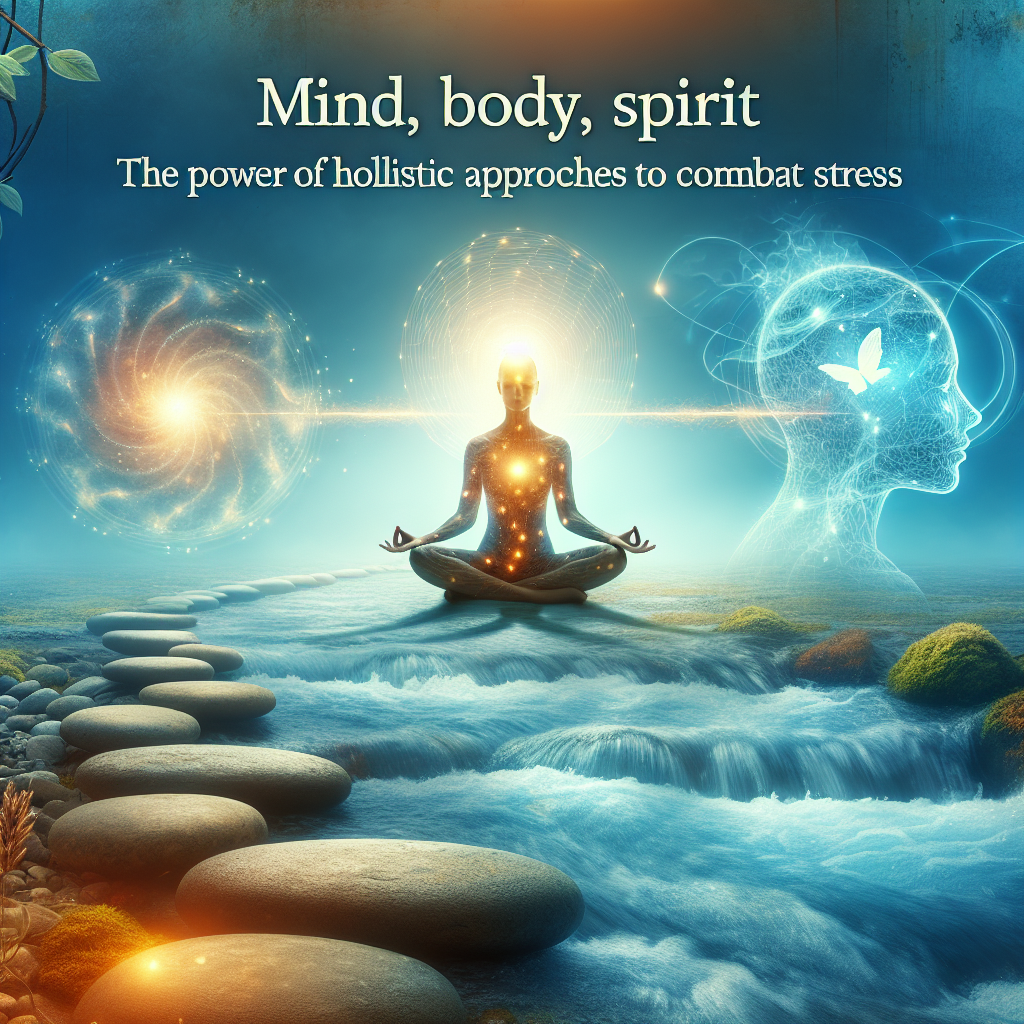
Mind, Body, Spirit: The Ultimate Power of Holistic Approaches to Combat Stress
Introduction
In an age where stress has become a silent epidemic, our understanding of mental health has evolved dramatically. Stress affects our minds, bodies, and spirits, creating a ripple effect that can hinder productivity, derail happiness, and impact physical health. People are actively seeking solutions that not only address symptoms but also delve deeper into the root causes of stress. Enter the transformative realm of holistic approaches. In this article, we explore how the synergy of mind, body, and spirit plays a crucial role in combating stress, offering you tools that could change your life for the better.
Understanding Stress: The Modern Plague
Before we delve into holistic approaches, it’s essential to understand what stress is and how it manifests. Stress can be triggered by various factors, including work-related pressures, personal relationships, financial challenges, and health issues. The consequences of chronic stress can be severe—ranging from anxiety disorders and depression to cardiovascular diseases and a weakened immune system.
Table 1: Common Symptoms of Stress
| Mind Symptoms | Body Symptoms | Spirit Symptoms |
|---|---|---|
| Anxiety | Headaches | Lack of motivation |
| Cognitive difficulties | Muscle tension | Feeling spiritually drained |
| Mood swings | Fatigue | Disconnection from self |
| Irritability | Digestive issues | Loss of purpose |
By examining and addressing these symptoms through a holistic lens, individuals can work towards not only alleviating stress but also fostering a more balanced lifestyle.
The Holistic Approach: Uniting Mind, Body, and Spirit
Holistic approaches integrate practices that encompass the mind, body, and spirit. This synergy boosts resilience against stress and promotes overall well-being. Here’s how:
1. Mind: Thought Patterns and Stress Management
The mind’s role in stress is multifaceted, as our thoughts, beliefs, and attitudes can heavily influence our emotional states. Cognitive-behavioral techniques promote positive thinking and help individuals reframe their stressors.
Case Study: Mindfulness in Action
A study conducted by Harvard University revealed that individuals practicing mindfulness meditation exhibited decreased levels of cortisol, the stress hormone, leading to reduced feelings of stress and anxiety. Participants engaged in a mindfulness program experienced improved focus and emotional regulation—proof of the mind’s transformative power.
2. Body: The Physical Dimension of Stress
Physical health is deeply interconnected with mental and spiritual states. Activities such as yoga, tai chi, and aerobic exercises release endorphins, the body’s natural mood lifters.
Case Study: The Yoga Effect
A 2021 review found that participants who practiced yoga regularly reported lower levels of stress compared to those following traditional exercise regimens. These findings underline the body’s ability to combat stress through movement and physical engagement.
3. Spirit: Nurturing Inner Peace
Spiritual well-being often provides individuals with a sense of purpose, community, and resilience. Engaging in spiritual practices, whether through traditional religion or personal spirituality (meditation, nature walks, art), can significantly alleviate stress.
Case Study: Spiritual Engagement and Resilience
An exploration of individuals who actively participated in community service revealed a direct correlation between spiritual engagement and lower cortisol levels. Engaging in selfless acts not only nurtures the spirit but clusters social connections, which are vital for emotional health.
The Integrated Approach: A Practical Guide
Here’s how you can utilize holistic approaches to combat stress:
1. Mindfulness Meditation
Dedicate a few minutes each day to mindfulness meditative practices. Focus on your breath and redirect your thoughts when they drift to anxious scenarios.
Benefits:
- Decreases anxiety levels.
- Enhances emotional regulation.
- Cultivates a sense of presence.
2. Physical Activity
Incorporate exercises that you enjoy into your daily routine. Whether it’s a brisk walk, swimming, or a dance class, find what works for you.
Benefits:
- Releases endorphins.
- Improves sleep quality.
- Increases energy levels.
3. Spiritual Exploration
Engage in spiritual practices that resonate with you. This could involve attending a local sanctuary, participating in meditation, or simply spending time in nature.
Benefits:
- Fosters a sense of belonging.
- Provides clarity and direction.
- Enhances emotional resilience.
Table 2: Holistic Practices and Benefits
| Practice | Mind Benefits | Body Benefits | Spirit Benefits |
|---|---|---|---|
| Meditation | Focus improvement | Stress reduction | Increased inner peace |
| Yoga | Emotional balancing | Flexibility enhancement | Connection to self |
| Nature Walks | Clarity of thought | Physical rejuvenation | Spiritual awakening |
Conclusion: Harnessing Holistic Power for a Stress-Free Life
The journey to managing stress is uniquely individual but rooted in a shared experience. Holistic approaches to combat stress are not just about alleviating symptoms; they are about cultivating a balanced lifestyle that incorporates the mind, body, and spirit. As you explore these avenues, remember that the most significant changes often start with small steps. Embrace mindfulness, engage your body, and explore your spirit; the power is truly within your hands.
FAQs
1. What are holistic approaches to combat stress?
Holistic approaches focus on the interconnectedness of mind, body, and spirit to effectively manage stress, utilizing techniques like mindfulness, physical exercise, and spiritual exploration.
2. How can mindfulness meditation help reduce stress?
Mindfulness meditation encourages staying present and aware, which can lessen anxiety by helping individuals reframe their thoughts and minimize worry.
3. Is yoga a good approach for stress management?
Yes, yoga combines physical movement with breath work and meditation, promoting relaxation and reducing stress through its multi-faceted approach.
4. Can spiritual practices help with stress?
Engaging in spiritual practices can foster a sense of purpose and community, reducing feelings of isolation and contributing to emotional resilience.
5. Are there any quick tips for reducing stress right now?
Try deep breathing exercises, take a short walk, or engage in five minutes of mindfulness to ground yourself when feeling overwhelmed.
By embracing these holistic strategies, you are not only combating stress but also nurturing your overall well-being—tapping into the profound interconnectedness of mind, body, and spirit.
About the Author