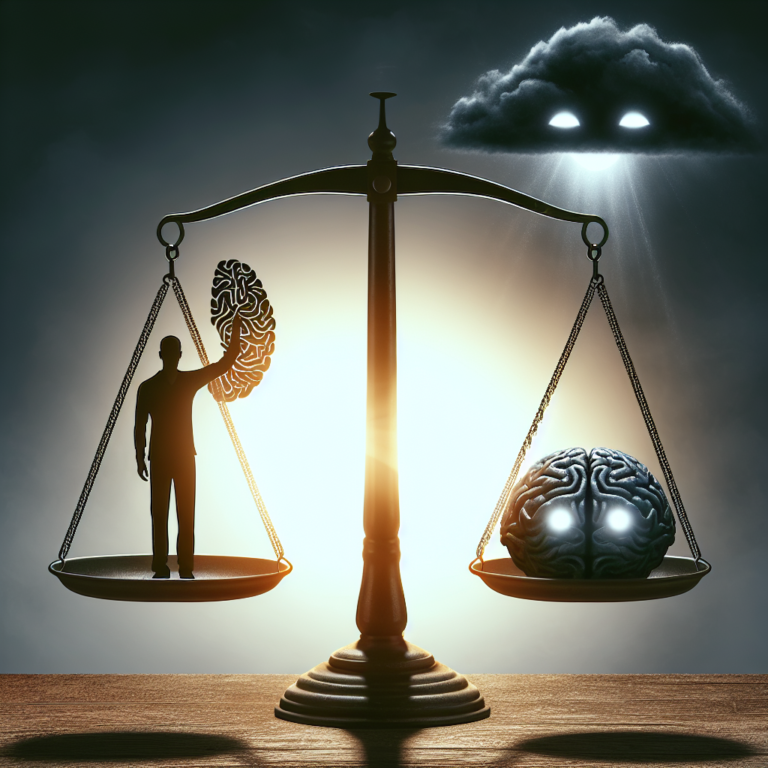
Imagine trying to navigate a hurricane without knowing its strength or direction. This is similar to what millions face when they don’t understand depression. Without clear names, it’s hard to see depression as a real medical issue, not just feeling sad.
Looking at depression defined in medical terms changes everything. What people often see as weakness is actually a mental health condition needing serious attention. This move from everyday talk to scientific terms is key for helping people.
The idea of naming storms is very fitting. Just like how naming storms helps predict weather, clear names for depression help doctors understand and treat it. This approach helps break down old beliefs and supports those dealing with this serious brain disorder.
Key Takeaways
- Depression is a serious condition that needs clear names, not just casual words.
- Using the right names for mental health conditions helps doctors treat them better and reduces shame.
- Clear names help fight old beliefs that say depression is just a matter of being weak or sad.
- Knowing the exact name of a condition is the first step to finding good treatments, just like for physical illnesses.
- The storm naming idea shows how clear names help in understanding and dealing with mental health issues.
- Connecting what we learn in books with real-life situations helps everyone, from doctors to students, understand better.
1. Understanding the Weight of Depression
Depression is a major depression mental health issue worldwide. It’s not just feeling sad or down for a while. It deeply affects people, families, workplaces, and communities. We need healthcare experts, policymakers, and communities to take it seriously.
About 280 million people worldwide live with depression. That’s more than Indonesia’s population. It doesn’t matter who you are or where you’re from. Some groups are at higher risk.

Depression is heavy, affecting every part of life. It makes simple tasks seem too hard. It also hurts work, relationships, and basic care.
The cost of depression is huge. It affects the economy, healthcare, and work. In the U.S., it costs over $210 billion a year.
Depression is hard to see because it’s invisible. People with depression often face disbelief. They’re told to “snap out of it” or “think positive.” This shows how much people don’t understand depression.
Depression often happens with other health issues. This makes things worse. Conditions like anxiety, pain, heart disease, and diabetes add to the problem. It makes treatment harder.
Knowing how big depression is helps us understand why it’s so important. We need to define it well, diagnose it right, and treat it effectively. The next parts will look into these important steps.
2. Depression Defined: More Than Just Feeling Down
Understanding clinical depression goes beyond just feeling sad. It’s a medical condition with clear signs. This makes it different from just feeling down for a while.
Experts see depression as a whole syndrome, not just one symptom. It affects many parts of life, not just mood. This means it’s more than just feeling sad.

The Clinical Meaning of Depression
Depression is a set of symptoms that meet certain criteria. These criteria include how long symptoms last, how severe they are, and how much they affect daily life. Over time, doctors have learned more about depression, from old ideas to today’s science.
Today, we know depression affects mood, thinking, and behavior. It must last a certain amount of time and really affect daily life. This helps doctors tell it apart from just feeling down.
When doctors check for depression, they look at how bad the symptoms are, how long they last, and how much they disrupt life. This helps doctors know if someone has depression or just feels sad.
Depression as a Medical Condition
Depression is seen as a real medical condition because of solid science. Studies show changes in the brain that happen in people with depression. These changes are real and show depression is not just in someone’s head.
Research also shows that genes play a role in depression. Studies on hormones show how depression affects the body. And, treatments work, which shows depression is a medical issue.
Depression is not just feeling weak or failing. Science shows it’s a real condition that needs medical help. This helps doctors treat it better and helps people feel better.
This view of depression helps doctors diagnose and treat it better. It also helps reduce shame and encourages people to seek help. Depression can be treated with the right approach, focusing on the brain and body.
3. Depression vs Sadness: Recognizing the Difference
Sadness is a normal part of life, but not all sadness is depression. The line between sadness and depression is often blurry. This confusion can lead to missing real depression or treating normal sadness as a medical issue. Knowing the difference is key to when you need help.
Sadness and depression are not two separate things. They are more like two ends of a spectrum. Both can make you feel down, but depression lasts longer and affects your daily life more.
Normal Sadness and Grief Responses
Sadness is a natural response to loss or disappointment. It helps us adjust to new situations. It’s a way our brains process change.
Normal grief is different from depression. It’s intense but gets better over time. It’s not a fixed stage, but a personal journey.
Unlike depression, normal sadness doesn’t stop you from feeling happy sometimes. You can find joy even when you’re grieving.
When Sadness Crosses into Depression
Depression is different from normal sadness. It lasts too long and affects your life in big ways. It’s not just feeling down for a bit.
Depression is also more intense than it should be. It can happen without a big reason and lasts too long. It’s not just feeling sad, it’s feeling stuck.
The table below shows how normal sadness and depression differ:
| Characteristic | Normal Sadness | Clinical Depression |
|---|---|---|
| Duration | Days to weeks; gradually improves | Persistent for two weeks or longer without improvement |
| Functional Impact | Mild disruption; maintains basic responsibilities | Significant impairment across work, relationships, self-care |
| Emotional Range | Can experience positive emotions alongside sadness | Pervasive negative mood; inability to experience pleasure |
| Responsiveness | Mood improves with support, distraction, or positive events | Mood remains unchanged despite external circumstances |
| Additional Symptoms | Primarily emotional; minimal physical symptoms | Multiple neurovegetative signs, cognitive distortions, physical changes |
Depression affects more than just how you feel. It changes how you live your life. It impacts your work, relationships, and daily activities.
Not being able to enjoy things you used to love is a sign of depression. This lack of joy is a key indicator that you need help.
4. Clinical Depression Symptoms: What to Look For
Depression shows itself in many ways, affecting how we feel, our bodies, and our actions. It’s important to know the signs of depression early. This can help get the right treatment sooner.
Depression is more than just feeling sad sometimes. It changes how we think, feel, and act in many ways. It affects our mood, thinking, health, and daily life.
Emotional and Cognitive Symptoms
Depression is not just feeling sad. People often feel empty, hopeless, or desperate all the time. These feelings don’t go away, no matter what’s happening around them.
Depression also changes how we think. It can make it hard to focus, make decisions, or remember things. This is not just being distracted. It’s a real change in how our brain works.
Feeling worthless or guilty a lot is common too. These feelings can be so strong that they make us see things in a very negative way. This includes thinking badly about ourselves, the world, and the future.
Worrying about death or wanting to harm oneself is also a sign. These thoughts can range from just not wanting to wake up to having a clear plan to harm oneself.
Depression changes how we feel, think, and see everything in our lives.
Physical Symptoms of Depression
Depression also shows up in our bodies. These neurovegetative symptoms show that depression is real and affects our biology.
Problems with sleep are common. Some people can’t sleep at all, while others sleep too much but feel tired. This is not normal.
Changes in appetite and weight happen too. Some people lose weight because they don’t want to eat. Others gain weight because they eat too much. Both show that depression is affecting how our body works.
- Psychomotor changes: Being agitated or moving and speaking very slowly
- Chronic fatigue: Feeling extremely tired, even after doing nothing
- Physical pain: Having headaches, stomach problems, or body aches without a clear reason
- Energy depletion: Feeling completely without energy, affecting everything we do
These physical signs can be very noticeable. They are often seen in places like hospitals, where people might not talk about their feelings.
Behavioral Changes and Warning Signs
Changes in how we act are also important signs of depression. People often pull away from friends and activities they used to enjoy.
They might stop taking care of themselves or doing things they need to do. This is not because they are lazy. It’s because they can’t find the energy or motivation.
Using more alcohol, drugs, or medicine is another sign. People might try to use these things to feel better, but it can quickly get out of control.
Warning signs that need help right away include giving away important things, saying goodbye to loved ones, or suddenly feeling better after being depressed for a long time. These signs mean someone might be planning to harm themselves and need help fast.
Knowing the signs of depression helps us get help sooner. It’s important to see a professional because depression is not just feeling down for a little while. It’s a serious condition that needs proper treatment.
5. Understanding Anhedonia: When Nothing Brings Joy
Anhedonia is a key symptom of major depression that changes how we feel pleasure. It’s not just feeling a little down. It’s a deep problem that stops people from enjoying things they used to love.
About 70% of people with major depression have anhedonia. It can stick around even when other symptoms start to get better. This makes treating it very important.
Loss of Interest and Pleasure
Anhedonia has two parts that make life less fun. The anticipatory component makes it hard to want to do things. People can’t get excited about things they used to look forward to.
The consummatory component makes it hard to enjoy things when you’re doing them. Even if you try, you won’t feel happy. This messes up the brain’s reward system.
Studies show that changes in the brain’s chemistry are key to anhedonia. These changes make it hard to feel pleasure, even with willpower. The brain’s reward system is broken.
Anhedonia can affect different areas of life:
- Social anhedonia: Not wanting to be with people or make friends
- Physical anhedonia: Not enjoying things like food, music, or touch
- Achievement anhedonia: Not feeling good about reaching goals or doing well
How Anhedonia Affects Daily Life
Anhedonia makes it hard to do things you used to enjoy. You might stop doing hobbies or saying no to social events. It can hurt your relationships too.
This symptom creates a bad cycle. Not doing things makes you feel worse. Feeling worse makes it harder to do things, and so on.
It also makes work harder because it doesn’t feel meaningful. Even simple things like taking a shower or eating your favorite food don’t bring joy. Many people feel numb or empty.
It’s hard to treat anhedonia because it’s resistant to treatment. But, trying to do things you used to enjoy can help. It can start to fix the brain’s pleasure system, even if you don’t feel happy right away.
6. Major Depressive Disorder Explained
Major depressive disorder is a serious form of depression that needs professional help. It’s the most common type of clinical depression. It affects how we feel and function every day.
Feeling sad and having major depressive disorder are two different things. The key difference is in the symptoms, how intense they are, and how long they last. It’s not just feeling down; it’s a full-body experience that affects our mood, thoughts, and actions.
What Qualifies as Major Depressive Disorder
To be diagnosed with major depressive disorder, you must have had a major depressive episode. This episode must last at least two weeks. You’ll feel sad or lose interest in things you used to enjoy, and other symptoms will make it hard to function.
The symptoms must be different from how you felt before and last for two weeks. Doctors check if these symptoms affect your work, relationships, or daily life. This helps tell if it’s depression or just feeling down for a while.
There are special types of depression, like having psychotic features or feeling very sad. These details help doctors understand your depression better.
Depression is different from feeling sad because of a stressful event. It’s also different from long-term sadness that’s not as severe. These differences help doctors diagnose and treat depression correctly.
Severity Levels and Duration
Doctors classify major depressive disorder as mild, moderate, or severe. They look at how many symptoms you have, how intense they are, and how much they affect your life. This helps decide the best treatment plan and how long it might take to get better.
Mild depression might have five to six symptoms and not affect your life too much. It can often be treated with just talking therapy. Moderate depression has symptoms that are more serious but not as bad as severe depression. It usually needs a combination of therapy and medication.
Severe depression has many symptoms that are very intense and really interfere with your life. It often needs both medication and therapy. In some cases, it can include psychotic features that need special care.
How long depression lasts can vary a lot. It must last at least two weeks to be diagnosed. But, most episodes last months without treatment. About half of people with depression will have it again. This is why ongoing care is important, even after symptoms seem to go away.
7. DSM-5 Depression Criteria and Diagnosis
Getting a depression diagnosis is a detailed process. The American Psychiatric Association sets the rules through the DSM-5. This guide helps doctors identify and classify depression accurately. It makes sure everyone gets the right treatment.
Doctors don’t just guess when diagnosing. They look at specific symptoms, how long they last, and how they affect daily life. This helps them make a clear diagnosis.
The Nine Core Diagnostic Symptoms
The dsm-5 depression criteria list nine key symptoms for diagnosing major depressive disorder. Each symptom must happen almost every day for two weeks to qualify.
The symptoms include:
- Depressed mood most of the day, feeling sad, empty, or hopeless
- Anhedonia or not enjoying activities anymore
- Significant weight changes or changes in appetite
- Sleep disturbances like insomnia or sleeping too much
- Psychomotor changes seen by others, like being too active or slow
- Fatigue or loss of energy that affects daily life
- Feelings of worthlessness or too much guilt
- Cognitive impairment like trouble thinking or making decisions
- Recurrent thoughts of death or wanting to die
These symptoms show noticeable changes in how someone acts and feels. Doctors carefully check for these symptoms during detailed interviews.
Diagnostic Thresholds and Requirements
To get a depression diagnosis, it’s not just about feeling sad. The DSM-5 sets clear rules to tell depression apart from normal feelings.
A depression diagnosis needs at least five of the nine symptoms for two weeks. One of these symptoms must be feeling sad or not enjoying things.
The symptoms must cause a lot of distress or problems in daily life.
There are more rules to make sure the diagnosis is right. The symptoms can’t be caused by drugs or another medical condition. It also can’t be explained by other mental health issues.
Also, the person can’t have ever had a manic or hypomanic episode. This would mean they have bipolar disorder, not just depression.
The Importance of Professional Assessment
Getting a clear diagnosis needs a professional, not just guessing. Depression diagnosis is complex and needs a doctor’s skill and careful evaluation.
Doctors do detailed interviews and exams. They use special tools to make sure the diagnosis is right. They also make sure depression is not confused with other conditions like thyroid problems or vitamin deficiencies.
Doctors also check for other medical issues that might look like depression. This ensures the right treatment is given.
The whole process looks at the symptoms, when they started, what triggers them, family history, and how the person has reacted to treatment before. This approach makes sure the diagnosis is correct and the treatment fits the person’s needs.
8. Types of Depression: Understanding the Mood Spectrum
Depressive disorders are not just one condition. They include many types of depression with different symptoms and treatments. Mental health experts see depression as a mood spectrum. This spectrum ranges from short episodes to long-lasting conditions, and from just feeling down to feeling both down and up at times.
Each type of depression has its own signs. They all share low mood and less interest in activities. But, each type has special traits that affect how they are diagnosed and treated. Knowing these differences helps people and families understand their situation better.
8.1. Persistent Depressive Disorder (Dysthymia)
Persistent Depressive Disorder (PDD) is a long-lasting depression. It lasts at least two years in adults or one year in kids and teens. Unlike major depression, PDD’s symptoms don’t go away for a long time.
People with PDD often see their symptoms as part of who they are. This makes depression diagnosis hard. They might think they’re just naturally pessimistic, not that they have a treatable illness.
When someone with PDD also has a major depressive episode, it’s called “double depression.” This needs more intense treatment. Because PDD lasts a long time, treatment must be ongoing and include both medicine and therapy.
8.2. Seasonal Affective Disorder
Seasonal Affective Disorder (SAD) happens when depression comes at the same time every year. It usually starts in fall or winter and goes away in spring or summer. This is because of less sunlight, which affects mood and sleep.
To be diagnosed with SAD, symptoms must happen every year for at least two years. Symptoms include wanting to sleep more, eating more carbs, gaining weight, and feeling lonely during darker months. Treatment often starts with light therapy to help with the lack of sunlight.
8.3. Postpartum Depression
Postpartum Depression (PPD) happens during pregnancy or within four weeks after giving birth. Symptoms can last up to a year. It’s caused by hormonal changes, lack of sleep, adjusting to being a new mom, and support from others.
PPD affects about one in seven new moms. It impacts not just the mom but also the baby’s growth and the bond between them. Early treatment is key to help the mom and ensure the baby’s well-being, differentiating it from the short “baby blues.”
8.4. Bipolar Depression
Bipolar depression is the low mood part of bipolar disorder. People with bipolar depression switch between feeling down and feeling up. This is different from regular depression because it includes unusual symptoms like wanting to sleep a lot and feeling very tired.
Treating bipolar depression is tricky because some medicines can make things worse. Doctors usually use mood stabilizers or special medicines first. The episodes are shorter but happen more often, making it a unique part of the mood spectrum.
It’s hard to tell if someone has bipolar depression or another type of depression at first. They usually come for help when they’re feeling down, not when they’re feeling up. Getting a full history of mood changes is key to making the right diagnosis and treatment plan. This shows why depression is not just one thing but many different conditions needing different treatments.
9. The Biology Behind Depression: Neurochemistry and Brain Function
Depression’s causes go deep into the brain’s chemistry and structure. Research shows it’s not just a matter of being weak. It’s a real medical condition affecting brain function.
Depression comes from many biological systems working together. The brain’s chemicals, structure, and connections all play a part. Knowing this helps us see why treating depression needs a whole-body approach.
Neurotransmitter Imbalances
The monoamine hypothesis is a big part of depression research. It says that not enough serotonin, norepinephrine, and dopamine causes depression. These chemicals help control mood and emotions.
But, saying it’s just a chemical imbalance is too simple. Medications can quickly increase these chemicals, but it takes weeks to feel better. This shows depression is more complex than just a chemical problem.
Today, researchers look at more than just monoamines. Glutamate and GABA are also important. Glutamate helps neurons talk to each other, and GABA helps calm them down. In depression, these systems don’t work right.
The table below compares the major neurotransmitter systems implicated in depression:
| Neurotransmitter | Primary Function | Role in Depression | Associated Symptoms |
|---|---|---|---|
| Serotonin | Mood regulation, sleep, appetite | Reduced transmission and receptor sensitivity | Sadness, anxiety, sleep disturbances |
| Norepinephrine | Alertness, energy, stress response | Decreased availability in key brain regions | Fatigue, concentration problems |
| Dopamine | Motivation, pleasure, reward processing | Impaired signaling in reward circuits | Anhedonia, reduced motivation |
| Glutamate | Learning, memory, neural plasticity | Excessive activity causing neurotoxicity | Cognitive impairment, stress sensitivity |
Depression also affects the brain’s ability to change and adapt. This is called neuroplasticity. Helping the brain recover from stress might be why treatments work over time.
Brain Structure and Function Changes
Studies show that depression can change the brain’s structure. The hippocampus, important for memory and emotions, is often smaller. The prefrontal cortex, which helps with decision-making, is also smaller in people with depression.
These changes might come from too much stress and not enough new brain cells. Stress hormones can harm brain cells, making it hard to get better.
Brain scans also show how depression works differently. The amygdala, which handles emotions, is too active. This makes it hard to handle negative thoughts.
But, other parts of the brain don’t work as well. This makes it hard to focus and manage feelings. The imbalance between these brain areas is what makes depression feel so real.
Depression also changes how brain networks talk to each other. The default mode network, which is active when we’re not busy, is too active in depression. This can lead to negative thinking patterns.
These findings show that depression is a complex brain problem. It’s not just about chemicals. Understanding this helps us treat depression in a more complete way.
10. Physical Causes of Depression: Inflammation and Sleep Debt
Physical factors like inflammation, sleep issues, and chronic stress lead to depression. These factors affect our immune system, sleep needs, and how we handle stress. Knowing about these physical causes helps us understand why depression happens and stays in some people.
Our physical health and mental well-being are linked in many ways. Recent studies show that depression isn’t just about brain chemistry. It’s also about our body’s overall health and how it affects our mood and thinking.
The Role of Inflammation in Depression
Inflammation is a big player in depression for many people. Research shows that depression often involves the immune system getting overactive and having high levels of inflammation in the body.
Substances like C-reactive protein, interleukin-6, and tumor necrosis factor-alpha are linked to depression. These inflammatory cytokines affect our brain’s function, which can change our mood and thinking.
Inflammation and depression are connected in many ways. These substances can change how our brain makes neurotransmitters, like serotonin. They also affect our stress response and brain health.
Also, inflammation can make us feel like we’re sick, which is similar to depression symptoms. This includes feeling tired, not wanting to socialize, not enjoying things, and having trouble sleeping.
How Sleep Debt Affects Mental Health
Sleep debt and depression go hand in hand. Sleep problems can be a sign of depression and also a big risk factor for getting depression.
Not getting enough sleep can lead to depression in many ways. Sleep helps us manage our emotions, remember things, and change our brain. Without enough sleep, these important processes are disrupted.
Research shows that not sleeping well can hurt our brain’s front part, change how we feel about rewards, and make us more stressed. These changes make us more likely to get depressed and harder to get better.
Not sleeping well over time gets worse. Each night of bad sleep adds more stress to our body and brain. This makes it easier for depression to develop.
Chronic Stress and the Stress Cycle
Being stressed for a long time is a big cause of depression. The stress response system gets overactive, and too much cortisol is made. This can lead to depression in many ways.
Long-term stress can hurt our brain’s hippocampus, which is important for mood and memory. This damage makes it hard for our brain to change and grow, and it affects how we make neurotransmitters.
The stress cycle also affects our body in other ways. It can mess with our sleep, immune system, and metabolism. All these changes make us more likely to get depressed.
Allostatic load is a term that explains how chronic stress wears us down. It shows how stress over time can make us more vulnerable to depression.
| Physical Factor | Mechanism of Action | Depressive Impact | Treatment Consideration |
|---|---|---|---|
| Inflammation | Cytokines alter neurotransmitter metabolism and activate stress pathways | Induces sickness behavior, anhedonia, fatigue, cognitive impairment | Anti-inflammatory interventions may benefit high-inflammation subgroups |
| Sleep Debt | Impairs emotional regulation, prefrontal function, and neuroplasticity | Increases stress reactivity, disrupts reward processing, perpetuates depression | Sleep restoration essential for treatment response and relapse prevention |
| Chronic Stress | Sustained HPA axis activation causes hippocampal damage and cortisol dysregulation | Erodes neuroplasticity, alters neurotransmitters, creates allostatic load | Stress management and cycle interruption critical for recovery |
Knowing about these physical causes of depression shows why we need to treat the whole body, not just the mind. Inflammation, sleep debt, and stress are things we can change. By focusing on these areas, we can help people with depression get better.
11. Psychological and Environmental Triggers
The way our minds react to experiences and our surroundings can either help us or lead to depression. This shows how complex depression is. While our biology sets the stage, depression causes also include our thoughts and the world around us. This makes depression a mix of biology, psychology, and environment.
Trauma and Life Events
Experiencing trauma or big life changes can make us more likely to get depressed. Things like abuse, neglect, or a tough home life can change how we handle stress and see ourselves and others. These changes can last a long time and make us more sensitive to stress later on.
Job loss, breaking up, or losing someone close can start a depressive episode in some people. Ongoing stress, like constant fighting or money troubles, can keep depression going. The link between stress and depression is like a seesaw: some people might get depressed from small stressors, while others need bigger ones.
Studies show that how much stress we face and how we handle it can lead to depression. But, even strong people can get depressed from very bad trauma.
Rumination and Negative Thought Patterns
Our thoughts play a big part in keeping depression going. Rumination is when we keep thinking about the same negative feelings without trying to solve the problem. This kind of thinking keeps us stuck in a cycle of bad feelings and pessimism.
Beck’s cognitive triad talks about three main ways people with depression think negatively. They might see themselves, the world, and the future in a distorted way. This includes thinking everything is all or nothing, or that one bad thing means everything will go wrong.
It’s important to know the difference between rumination and thinking things through. Rumination just goes over the same problems without finding a way out, making depression worse.
Social and Environmental Factors
Depression happens in a social world that affects how we feel and get better. Being alone for too long can make us more likely to get depressed. Humans need to be around others to stay mentally healthy.
Things like constant arguing, being criticized, or not having friends can make depression worse. Living in tough conditions, facing discrimination, or not having control over our lives also adds to stress. People who are marginalized face a higher risk of depression because of all these factors.
The social determinants of health show that depression is not just about biology or psychology. Changing our environment to reduce loneliness, improve living conditions, and fight discrimination can help. This shows that depression is deeply connected to our social world.
| Trigger Category | Key Characteristics | Common Examples | Primary Impact Pathway |
|---|---|---|---|
| Traumatic Events | Acute or chronic adverse experiences affecting sense of safety and self-worth | Childhood abuse, assault, major losses, ongoing threat | Stress system dysregulation, altered brain development, maladaptive coping |
| Cognitive Patterns | Repetitive negative thinking without problem-solving | Rumination, catastrophizing, all-or-nothing thinking, overgeneralization | Self-perpetuating cycles of negative mood and biased interpretation |
| Social Factors | Interpersonal difficulties and isolation | Loneliness, conflict, criticism, lack of support, social rejection | Unmet need for connection, chronic stress activation |
| Environmental Stressors | Chronic adverse conditions beyond individual control | Poverty, discrimination, unsafe neighborhoods, lack of resources | Cumulative stress burden, reduced mastery and control |
12. Depression Treatment Options: Pathways to Recovery
Today, there are many ways to treat depression. Modern medicine and psychology offer treatments that help in different ways. These include looking at the biological, psychological, and social sides of depression. This helps patients and doctors work together to find the best treatment plan.
Choosing the right treatment means looking at how severe the symptoms are and what the patient prefers. The goal is not just to make symptoms go away. It’s also to help the person function better, enjoy life more, and prevent depression from coming back. This approach recognizes that depression is complex and often needs a combination of treatments.
12.1. Psychotherapy Approaches
Cognitive-behavioral therapy (CBT) is a top choice for treating depression. It helps people change their negative thought patterns and behaviors. By doing this, CBT can help reduce symptoms of depression.
Behavioral activation is a key part of CBT. It encourages people to do things they enjoy. This helps them break the cycle of depression by showing how activities can improve mood.
Interpersonal therapy (IPT) looks at how relationships and life changes affect depression. It’s a short-term therapy that focuses on four main areas: grief, role disputes, role transitions, and interpersonal deficits.
Other effective treatments include psychodynamic therapy and acceptance and commitment therapy (ACT). Mindfulness-based cognitive therapy (MBCT) combines meditation with cognitive techniques. It’s great for preventing depression from coming back.
12.2. Medication Options
SSRIs are often the first choice for treating depression. They work by increasing serotonin in the brain. Common SSRIs include fluoxetine, sertraline, escitalopram, and paroxetine.
SNRIs, like venlafaxine and duloxetine, affect both serotonin and norepinephrine. They might be better for people who don’t get better with SSRIs. Atypical antidepressants, such as bupropion and mirtazapine, offer different ways to treat depression.
Antidepressants usually take four to six weeks to start working. Side effects often go away in the first two weeks. Understanding how antidepressants work helps patients stick with their treatment plan, even if they don’t feel better right away.
New treatments like ketamine and esketamine are being explored for depression that doesn’t respond to other treatments. They work quickly by affecting the brain’s glutamate system. Studies show they can reduce symptoms in just hours or days.
12.3. Lifestyle Interventions and Self-Care
Exercise can be as effective as medication or therapy for mild to moderate depression. It improves mood and brain function. Studies show that 150 minutes of moderate exercise a week can help.
Good sleep habits are important for treating depression. Keeping a regular sleep schedule and creating a relaxing sleep environment can help. This is because depression and sleep problems often go hand in hand.
What you eat can also affect depression. Eating a Mediterranean diet, rich in fruits, vegetables, and healthy fats, can help. Omega-3 fatty acids have also been shown to have antidepressant effects.
Staying connected with others is key to fighting depression. Activities, support groups, and strong relationships can provide emotional support. Stress management techniques like deep breathing and relaxation can also help reduce symptoms.
12.4. Combination Treatments
Research shows that using both medication and therapy together works best for treating depression. This combination is most effective for moderate to severe depression. Medication helps with the brain’s chemistry, while therapy works on thought patterns and behaviors.
Choosing the right combination of treatments depends on how severe the depression is and what the patient prefers. Mild depression might be treated with therapy or lifestyle changes alone. For moderate depression, a combination of treatments is often best. Severe depression usually starts with medication, with therapy added later.
Working together, healthcare providers can create a treatment plan that combines different approaches. This ensures that treatments work well together and don’t conflict. This teamwork is important for effective treatment.
Combining professional treatments with self-care strategies creates a complete recovery plan. Understanding depression as a whole helps in finding the right treatment. This approach tackles the biological, psychological, and social aspects of depression, leading to a more effective treatment plan.
| Treatment Modality | Primary Mechanism | Typical Timeline | Best Suited For |
|---|---|---|---|
| Cognitive-Behavioral Therapy | Cognitive restructuring and behavioral activation | 12-20 sessions over 3-6 months | Mild to moderate depression with identifiable thought patterns |
| SSRI Medications | Serotonin reuptake inhibition | 4-6 weeks for initial response | Moderate to severe depression requiring neurochemical intervention |
| Exercise Programs | Neuroplasticity enhancement and inflammation reduction | 2-4 weeks for mood improvements | Mild to moderate depression with physical health considerations |
| Combination Therapy | Multiple simultaneous mechanisms | 6-12 weeks for complete response | Moderate to severe depression requiring integrated approaches |
13. Breaking Through Stigma: Achieving Diagnostic Clarity
The journey to understanding depression starts with breaking down stigma. Many people see depression as a personal weakness, not a real illness. This thinking stops people from getting help and finding effective treatments.
Stigma affects how people seek help and how society supports them. It hits some groups harder, making mental health issues worse.
Debunking Harmful Myths
Many false ideas about depression make it hard to get help. These myths ignore the science behind depression and how well it can be treated.
The table below shows what people often believe and what science says:
| Misconception | Clinical Reality | Impact on Treatment |
|---|---|---|
| Depression indicates personal weakness or character flaw | Depression results from neurobiological changes in brain chemistry and structure | Prevents recognition of symptoms as medical condition requiring professional care |
| Individuals can “snap out of it” through willpower alone | Depression requires evidence-based treatment including psychotherapy and/or medication | Delays appropriate intervention and may worsen symptom severity |
| Seeking help demonstrates weakness | Pursuing professional assessment represents proactive self-care and strength | Creates barriers to help-seeking despite symptom recognition |
| Medication serves as “chemical crutch” | Antidepressants address neurochemical imbalances underlying depression | Leads to medication non-adherence and treatment discontinuation |
These myths come from not understanding mental health and the idea that we can control our feelings. Masculinity norms make it hard for men to ask for help. Different cultures also affect how people talk about their feelings.
Getting help is harder because of lack of access to mental health services. Places with few resources face even bigger challenges.
Taking the Critical First Step
Getting professional help is the first step to getting better. But, many things stop people from getting checked out:
- Stigma and shame about mental health challenges
- Minimization of symptom severity or attribution to temporary stress
- Concerns about treatment costs or time commitment
- Previous negative healthcare experiences that erode trust
- Hopelessness about treatment effectiveness based on misconceptions
Breaking through these barriers means seeing depression as a real health issue. Effective treatments show great success, with a mix of therapy and medication working best.
Getting help early can really help. It can stop depression from getting worse. A professional can help find the right treatment for each person.
Choosing to seek help shows strength, not weakness. Mental health experts keep things private and focus on helping you get better. Getting a clear diagnosis is the first step to feeling better.
14. Conclusion
Understanding depression shows us a key truth: knowing what it is helps us see it as a real mental health issue. It has clear ways to get help. This knowledge lets people talk about their feelings, find the right care, and get treatments that work.
Depression is caused by many things, like our brain, thoughts, and surroundings. Knowing this helps us see it’s not just about being weak. Doctors have ways to tell if someone is really depressed, not just feeling sad.
There are many ways to treat depression, and they work well for many people. Things like talking therapy, medicine, and changing our lifestyle can help. Some people get better, while others learn to live with it by getting help all the time.
Seeing a doctor is the first step to getting better. Doctors can tell if someone has depression, find other problems, and make a plan to help. If you’re feeling down a lot, or can’t enjoy things anymore, you should talk to a doctor.
Learning about depression helps us all. It makes us less scared, more understanding, and pushes for better mental health care. This is the first step towards feeling better and finding hope.
FAQ
What is the difference between depression and sadness?
FAQ
What is the difference between depression and sadness?
What are the main symptoms of clinical depression?
FAQ
What is the difference between depression and sadness?
FAQ
What is the difference between depression and sadness?
FAQ
What is the difference between depression and sadness?
How is Major Depressive Disorder diagnosed?
FAQ
What is the difference between depression and sadness?
FAQ
What is the difference between depression and sadness?
FAQ
What is the difference between depression and sadness?
What causes depression?
FAQ
What is the difference between depression and sadness?
FAQ
What is the difference between depression and sadness?
FAQ
What is the difference between depression and sadness?
What is anhedonia and why does it matter?
FAQ
What is the difference between depression and sadness?
FAQ
What is the difference between depression and sadness?
FAQ
What is the difference between depression and sadness?
What are the different types of depression?
FAQ
What is the difference between depression and sadness?
FAQ
What is the difference between depression and sadness?
Can depression be treated effectively?
FAQ
What is the difference between depression and sadness?
FAQ
What is the difference between depression and sadness?
How does inflammation relate to depression?
FAQ
What is the difference between depression and sadness?
FAQ
What is the difference between depression and sadness?
What is the role of genetics in depression?
FAQ
What is the difference between depression and sadness?
FAQ
What is the difference between depression and sadness?
How does rumination contribute to depression?
FAQ
What is the difference between depression and sadness?
FAQ
What is the difference between depression and sadness?
What is the difference between unipolar and bipolar depression?
FAQ
What is the difference between depression and sadness?
FAQ
What is the difference between depression and sadness?
Why is sleep disturbance both a symptom and a cause of depression?
FAQ
What is the difference between depression and sadness?
FAQ
What is the difference between depression and sadness?
When should someone seek professional help for depression?
FAQ
What is the difference between depression and sadness?
FAQ
What is the difference between depression and sadness?
What is the stress-diathesis model of depression?
FAQ
What is the difference between depression and sadness?
FAQ
What is the difference between depression and sadness?
What are cognitive distortions and how do they relate to depression?
FAQ
What is the difference between depression and sadness?
FAQ
What is the difference between depression and sadness?
How does exercise help with depression?
FAQ
What is the difference between depression and sadness?
FAQ
What is the difference between depression and sadness?
About the Author