Introduction
In today’s corporate landscape, conversations about gender equality are more critical than ever. Despite progressive legislation and societal changes, gender bias remains a formidable barrier to equitable workplace dynamics. Understanding this issue is not just a matter of fairness; it’s also a business imperative. Recent research in psychology offers invaluable tools and insights for navigating gender bias, paving the way for a more inclusive and productive work environment. In this article, we’ll explore how psychological science can catalyze change, delving into effective strategies grounded in concrete research.
Understanding Gender Bias: The Psychological Foundations
What is Gender Bias?
Gender bias refers to the preferential treatment or discrimination based on a person’s gender. It manifests in various ways, including recruitment practices, promotional opportunities, and even interpersonal interactions. This bias can be explicit—such as having stated beliefs about women’s capabilities—or implicit, influencing decisions subconsciously without the individual’s awareness.
The Psychological Mechanisms Behind Gender Bias
In navigating gender bias, understanding the psychological underpinnings is essential. Numerous studies have documented how stereotypes shape perceptions of competence and leadership ability. Cognitive biases, such as the “likeability bias,” can lead to women being judged more harshly for assertiveness or leadership qualities, negatively influencing their career trajectories.
Table 1: Key Psychological Concepts Affecting Gender Bias
| Concept | Description |
|---|---|
| Implicit Bias | Unconscious stereotypes affecting understanding and actions |
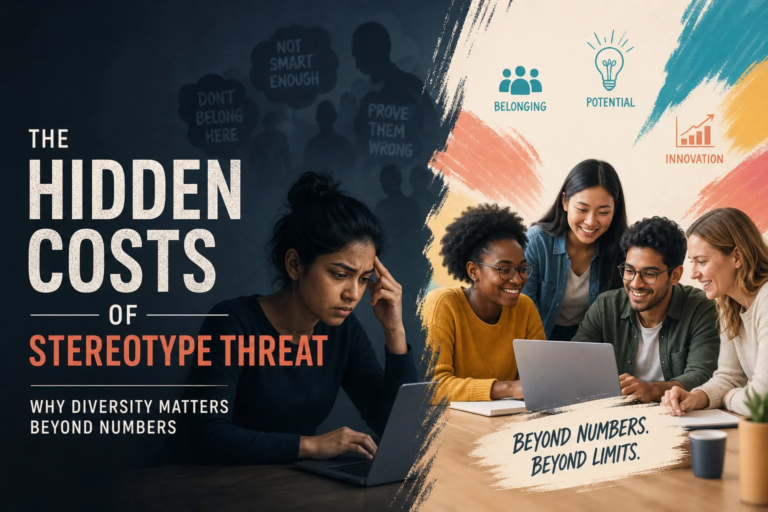
| Stereotype Threat | Anxiety about confirming stereotypes affecting performance |
| Groupthink | A psychological phenomenon where dissent is minimized in groups |
| Confirmation Bias | Focusing on information that confirms existing biases |
Real-World Impact: Case Study of an Organization
Case Study: a Tech Giant’s Diversity Initiative
A leading tech company recognized systemic gender bias within their promotions pipeline. By implementing a comprehensive diversity training program informed by psychological research, they reshaped their evaluation processes. Over two years, the proportion of women in leadership roles increased by 37%. This underscores the potential for research-backed strategies in navigating gender bias effectively.
The Importance of Data-Driven Decisions
In addressing gender bias, organizations often rely on qualitative assessments, which can be unreliable. Quantitative data provides a clearer picture of workplace dynamics and allows for informed decision-making. Research surveys that quantify perceptions and experiences can inform policies aimed at promoting equality.
Strategies for Navigating Gender Bias
1. Training Programs: Education is Key
Education is essential in combating gender bias. Training programs designed around psychological principles can mitigate implicit biases and foster an environment for equality. Workshops that stress awareness of implicit biases can help team members identify their preconceived notions.
2. Leadership Role Modeling
Leaders play a crucial role in shaping workplace culture. By intentionally showcasing diversity and equality in their behaviors and policies, leaders can model the behaviors they wish to see. Organizations with visible diverse leadership experience higher employee engagement and lower turnover rates.
Case Study: Corporate Leadership Programs
A Fortune 500 company implemented leadership training emphasizing female representation in management. By encouraging mentorship programs where women could take on leadership roles in training, they increased the number of women in senior positions by 50% in three years. The initiative not only empowered women but also increased overall team performance.
3. Redesigning Recruitment Processes
Recruitment processes often unconsciously perpetuate gender bias. Utilizing blind recruitment strategies—where personal information like gender and age is hidden—can help organizations focus purely on qualifications. Research shows that companies employing this method see a more diverse candidate pool.
4. Performance Evaluations
Traditional performance reviews often reflect implicit biases. Having structured evaluation systems based on objective criteria can mitigate these biases. Incorporating multi-source feedback—where evaluations involve peers, direct reports, and supervisors—also creates a more balanced view of performance.
Chart 1: Performance Evaluation Components
| Evaluation Source | Weight (%) |
|---|---|
| Supervisor Review | 40% |
| Peer Feedback | 30% |
| Self-Assessment | 20% |
| 360-Degree Feedback | 10% |
5. Flexible Work Arrangements
Research has shown that flexible work environments significantly impact women’s retention. Companies that offer remote work options, flexible hours, or job-sharing arrangements are more likely to draw in diverse talent while maintaining a balanced workforce.
Long-Term Benefits of Promoting Gender Equality
Enhanced Innovation
Organizations that embrace gender equality foster diverse teams that stimulate creativity and innovation. A study from McKinsey shows that diverse companies are 1.5 times more likely to outperform their competitors in terms of profitability.
Improved Employee Satisfaction
Navigating gender bias leads to a more satisfied workforce. When employees feel valued for their contributions, regardless of gender, they become more engaged and committed. This not only reduces turnover but also enhances overall workplace harmony.
A Positive Company Reputation
Companies that promote gender equality establish themselves as progressive and socially responsible. This attraction extends to potential employees, clients, and consumers, bolstering the organization’s reputation and marketability.
Conclusion
Navigating gender bias is not merely a challenge for organizations; it is an essential journey towards equitable workplace dynamics. By leveraging psychological research and implementing targeted strategies, businesses can effectively address biases, foster inclusivity, and drive innovation. The time has come for organizations to assess their practices critically, invest in education, and commit to a culture of equality. The future of work depends on it—arising not only as a moral imperative but as a sustainable business strategy. Let’s champion these changes, ensuring a workplace that genuinely celebrates diversity and equality for all.
FAQs
1. What are some common signs of gender bias in the workplace?
Signs of gender bias may include disparities in pay between men and women, unequal opportunities for promotion, lack of diversity in leadership positions, and negative stereotyping in performance reviews.
2. How can organizations measure their progress in promoting gender equality?
Organizations can utilize surveys and analytics to track hiring, promotion patterns, and employee satisfaction over time. Regular assessment of these metrics will provide a clear picture of growth and areas needing improvement.
3. What role do men play in supporting gender equality?
Men have a critical role in advocating for gender equality. By becoming allies and participating in diversity initiatives, they can influence positive change, challenge biased practices, and lead by example.
4. How can individuals combat gender bias within their teams?
Individuals can combat gender bias by being aware of their own biases, calling out unfair practices when they see them, and promoting inclusion within their teams. Open discussions about diversity can create a more supportive environment.
5. Are there specific strategies for women to navigate gender bias in their careers?
Yes, women can benefit from seeking mentors, building networks, advocating for themselves in performance reviews, and pursuing development opportunities that position them for leadership roles.
About the Author


The PsyForU Editorial Collective is the research and editorial team of PsyForU Research International. The collective prepares educational, psychological, mental-health-awareness, inclusion, neurodiversity, and research-methodology content for students, parents, educators, researchers, and general readers. PsyForU content is intended for awareness, education, and capacity-building and should not be treated as clinical diagnosis, therapy, medical advice, legal advice, or emergency mental-health support.