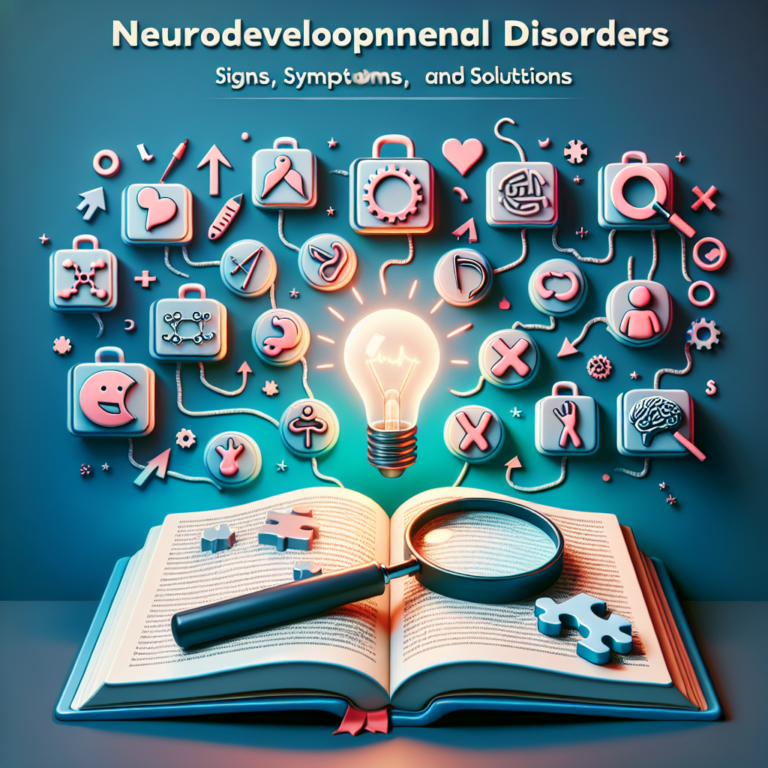
Navigating the Complex World of Neurodevelopmental Disorders: Essential Insights and Solutions
Introduction
In a rapidly evolving world, understanding neurodevelopmental disorders has never been more critical. From autism spectrum disorder (ASD) to attention-deficit/hyperactivity disorder (ADHD), these conditions affect millions of individuals and families, shaping their experiences, relationships, and potential. As we embark on this journey of navigating the complex world of neurodevelopmental disorders: insights and solutions, it is essential to recognize the multifaceted nature of these challenges and the incredible resilience of those affected. This article aims to shed light on the intricacies of neurodevelopmental disorders, offering valuable insights and practical solutions that can make a significant difference in lives touched by these conditions.
Understanding Neurodevelopmental Disorders
Neurodevelopmental disorders are typically identified in early childhood and stem from abnormal brain development. They manifest in diverse ways, affecting cognitive, social, and emotional functioning. According to the Centers for Disease Control and Prevention (CDC), about 1 in 44 children is diagnosed with ASD, while ADHD affects approximately 9.4% of children in the United States.
The Spectrum of Neurodevelopmental Disorders
Autism Spectrum Disorder (ASD)
- Characteristics: Affects communication, social skills, and behavior.
- Prevalence: Increasing rates of diagnosis over the last decade.
Attention-Deficit/Hyperactivity Disorder (ADHD)
- Characteristics: Inattention, hyperactivity, and impulsivity.
- Impact: Can substantially affect academic performance and relationships.
Learning Disabilities
- Examples: Dyslexia, dyscalculia, and dysgraphia, affecting reading, math, and writing skills, respectively.
- Intellectual Disabilities
- Characteristics: Limitations in intellectual functioning and adaptive behavior.
- Support: Requires tailored educational and social support.
The Intersection of Genetics and Environment
Research suggests that both genetics and environmental factors contribute to the onset of neurodevelopmental disorders. Understanding this interplay helps in tailoring interventions. For example, studies link certain genetic markers to ASD, emphasizing the need for targeted therapies.
Case Study: ASD and Early Intervention
One compelling case is that of Emma, a 4-year-old girl diagnosed with autism. With specialized interventions focusing on behavioral therapy, Emma made remarkable progress in her social skills and communication. This highlights the necessity of navigating the complex world of neurodevelopmental disorders: insights and solutions through early diagnosis and tailored support.
The Role of Comprehensive Assessments
A full assessment can provide insights into an individual’s strengths and weaknesses. For instance, a combination of cognitive testing, behavioral analysis, and social skills assessments can yield a comprehensive understanding of the individual’s needs.
| Type of Assessment | Purpose |
|---|---|
| Cognitive Testing | Evaluates intellectual functioning |
| Behavioral Analysis | Assesses social skills and behaviors |
| Speech and Language Evaluation | Reviews communication abilities |
Practical Solutions for Parents and Caregivers
Creating a Supportive Environment
Parents and caregivers play a crucial role in supporting children with neurodevelopmental disorders. Building a supportive home environment includes:
- Establishing routines to foster predictability and security.
- Encouraging social interactions with peers to develop social skills.
Collaboration with Educators
Effective communication with teachers can help tailor educational approaches to meet the child’s needs. It is vital to establish Individualized Education Programs (IEPs) or 504 plans in schools, designed to accommodate and support learning differences.
Case Study: ADHD in the Classroom
Consider the case of Jacob, a 9-year-old boy with ADHD who struggled academically. Teachers implemented a structured classroom environment with clear rules and expectations. Jacob received additional time for tests and assignments, significantly improving his performance and self-esteem. This demonstrates the effectiveness of navigating the complex world of neurodevelopmental disorders: insights and solutions through collaboration and tailored support.
The Importance of Therapy and Medication
Behavioral Therapy
Behavioral therapy is often an effective approach for both ASD and ADHD. This type of therapy focuses on teaching skills and modifying negative behaviors to encourage positive development.
Medication Management
Medication can also play a vital role in managing symptoms. Stimulants are commonly prescribed for ADHD, while selective serotonin reuptake inhibitors (SSRIs) can be effective for managing anxiety tied to ASD.
Case Study: Pharmacological Intervention
Take the case of Mia, who was prescribed an SSRI to manage her anxiety associated with ASD. After several weeks of treatment, her anxiety symptoms reduced significantly, allowing her to engage more comfortably in social situations. This example reinforces how navigating the complex world of neurodevelopmental disorders: insights and solutions can effectively combine therapy and medication for better outcomes.
Community Resources and Support
Local and National Organizations
Numerous organizations work tirelessly to support individuals with neurodevelopmental disorders and their families. These include:
- Autism Speaks: Provides resources and advocacy for families affected by autism.
- CHADD (Children and Adults with Attention-Deficit/Hyperactivity Disorder): Offers information, support groups, and educational resources.
Online Support Networks
Social media platforms and online forums can serve as vital communities for connection and support. Engaging with others facing similar challenges can foster understanding and provide a sense of belonging.
Transitioning to Adulthood: Challenges and Solutions
As children with neurodevelopmental disorders grow, transitioning to adulthood poses unique challenges. This phase often involves navigating post-secondary education, employment, and independent living.
Life Skills Training
Life skills training programs can significantly benefit young adults with neurodevelopmental disorders, providing them essential skills for everyday living, from cooking to budgeting.
Employment Support
Collaborative partnerships with local businesses can create job opportunities specifically tailored for individuals with diverse abilities. Programs like vocational rehabilitation offer resources and job coaching to aid in this transition.
Conclusion
As we reflect on navigating the complex world of neurodevelopmental disorders: insights and solutions, it becomes increasingly evident that understanding and support can forge pathways to success. From early interventions to community resources, the multifaceted approach to these disorders showcases the power of resilience and collaboration. Families, educators, and healthcare professionals must unite to create environments that nurture potential and foster a sense of belonging.
Let this be a call to action: may we dispel stigma, advocate for awareness, and ignite hope for those navigating the world of neurodevelopmental disorders.
FAQs
1. What are common signs of neurodevelopmental disorders in children?
Common signs include difficulty with communication, social interactions, and behavioral challenges. Parents often notice these signs during early childhood.
2. How can early intervention help children with neurodevelopmental disorders?
Early intervention can lead to improved outcomes in communication, social skills, and academic performance, setting a solid foundation for future development.
3. Are neurodevelopmental disorders hereditary?
Genetics play a significant role in neurodevelopmental disorders, but environmental factors also contribute to their onset.
4. What resources are available for families?
Many local and national organizations offer support, resources, and networking opportunities for families impacted by neurodevelopmental disorders.
5. How can schools support students with neurodevelopmental disorders?
Schools can provide tailored educational plans, create an inclusive environment, and promote collaborative communication between teachers and parents.
By implementing these insights and solutions, we can cultivate a more inclusive society for individuals affected by neurodevelopmental disorders. Let’s advocate for understanding, compassion, and empowerment as we navigate this complex landscape together.
About the Author