Navigating the Conversation: The Ultimate Guide to Communicate Effectively with Your Partner
Introduction: Unlocking the Secrets to Connection
In the intricate dance of relationships, communication serves as the pathway connecting two souls. Yet, why do so many couples struggle in sharing their thoughts, feelings, and dreams? The answer often lies in the very act of communication itself. Navigating the conversation: How to communicate effectively with your partner is not just about exchanging words; it’s about fostering understanding, empathy, and intimacy.
Imagine a relationship where discussions flow effortlessly, misunderstandings are minimal, and both partners feel heard and valued. This ideal scenario can be achieved through the art of effective communication. This guide will dive deep into how navigating the conversation can transform your relationship, making it richer and more fulfilling.
The Foundations of Effective Communication
1. Understanding Communication Styles
Just like fingerprints, communication styles are unique to every individual. By understanding your own style and that of your partner, you can pave the way for smoother conversations.
- Verbal vs. Non-verbal: While words carry weight, body language and tone often convey just as much, if not more. Being aware of these nuances enriches your conversations.
- Direct vs. Indirect: Some people prefer straightforward discussions, while others might communicate more indirectly. Recognizing these preferences can prevent misinterpretations.
Case Study: A couple in counseling discovered that while one partner valued direct communication about feelings, the other preferred a subtle approach. By openly discussing and respecting these styles, they improved their conflict resolution strategies.
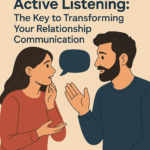
2. The Importance of Active Listening
Listening is not merely hearing words; it’s about absorbing and understanding the message behind them. Active listening involves:
- Feedback: Reflecting on what you’ve heard can demonstrate understanding. Phrases like "What I hear you saying is…" can foster clarity.
- Empathy: Putting yourself in your partner’s shoes can help convey emotional support.
Chart: Components of Active Listening
| Component | Description |
|---|---|
| Engagement | Show your interest through body language and verbal affirmations. |
| Clarification | Ask questions to ensure the message is understood accurately. |
| Reflection | Paraphrase back to reinforce what’s been communicated. |
| Empathy | Respond with emotional understanding and acknowledgment. |
Building a Safe Space for Communication
3. Establishing Trust
For meaningful conversations to thrive, trust must be at the forefront. A safe environment encourages open dialogue. Ways to build trust include:
- Vulnerability: Share your own feelings and fears to encourage your partner to do the same.
- Consistency: Be reliable in your actions and words, reinforcing trust over time.
4. Timing is Everything
Equally important is knowing when to engage in crucial conversations. Choosing the right moment can be pivotal. Avoid touching on sensitive topics during stressful moments; instead, aim for calm, distraction-free environments.
Case Study: One couple learned that discussing issues during their nightly wind-down routine led to more productive conversations. They felt relaxed and could focus solely on each other.
Effective Techniques for Navigating Difficult Conversations
5. Using “I” Statements
Shifting the focus from blaming to expressing your feelings can reduce defensiveness. For instance, saying "I feel overwhelmed when…" rather than "You never help…" presents your emotions without assigning blame.
6. Mastering Conflict Resolution
Disagreements are inevitable in any relationship. Effectively navigating these conversations hinges upon:
- Staying Calm: Take breaks if discussions become heated. A cooldown period can prevent saying things you might regret.
- Finding Common Ground: Voice your needs while also acknowledging those of your partner. Collaborative solutions can pave the way for harmony.
Facilitating Growth Through Communication
7. Continuous Improvement
Communication is a skill that evolves. Regular check-ins can help couples refine their approaches. Simple queries like, “How can we communicate better?” can lead to significant breakthroughs.
8. Broadening Your Communication Repertoire
Employing a range of communication strategies fosters deeper connections. Consider integrating:
- Humor: Lightening the mood can make difficult topics feel less daunting.
- Affirmation: Regularly appreciating your partner can contribute to a positive communication climate.
Table: Advanced Communication Techniques
| Technique | Description |
|---|---|
| Humor | Use light-hearted jokes to ease tension in conversations. |
| Affirmation | Compliment your partner regularly to foster a positive atmosphere. |
| Perspective-Taking | Actively consider your partner’s viewpoint during discussions. |
Navigating the Conversation: Inspiration and Action
Conclusion: The Path to Relationship Harmony
Navigating the conversation: How to communicate effectively with your partner requires dedication, practice, and patience. By understanding communication styles, fostering a safe space, and employing effective techniques, couples can transform their dialogues and deepen their bonds. Remember, the goal is not merely to talk but to truly connect. So, take a leap today. Initiate that conversation. Open your heart, and watch your relationship flourish.
FAQs
1. How can I encourage my partner to be more open in conversations?
Creating a safe space is vital. Show empathy, practice active listening, and be vulnerable yourself to encourage openness.
2. What if we have different communication styles?
Recognizing and respecting those differences is key. Discuss how each of you prefers to communicate and try to find a middle ground.
3. How do I address ongoing conflicts without escalating the situation?
Focus on staying calm, using “I” statements, and taking breaks if necessary. Aim to voice your feelings rather than blame your partner.
4. How important is body language in communication?
Extremely. Body language can convey more than words sometimes. Pay attention to your posture, facial expressions, and overall demeanor during conversations.
5. When should I have serious discussions?
Choose moments when both of you are relaxed and free from distractions. Avoid initiating sensitive topics during stressful times or when either of you is already upset.
Navigating effective communication with your partner is indeed a journey. Embrace the challenges, celebrate your victories, and remember that every step you take together strengthens your relationship.
About the Author