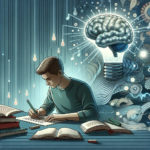
Navigating the Journey: Understanding Common Learning Disabilities in Children
Introduction
In a world where every child’s journey through education is uniquely intricate, the challenges posed by learning disabilities can often feel overwhelming—both for the children experiencing these difficulties and for their families. By understanding these common learning disabilities, we pave the way to navigate this journey more effectively. As we explore the realm of learning disabilities, we aim not only to inform but also to equip you with the tools necessary to foster resilience and success in children facing these challenges. Join us on this exploration, as we delve into what it means to navigate the journey of understanding common learning disabilities in children.
Recognizing Learning Disabilities: A Critical First Step
What are Learning Disabilities?
Learning disabilities are neurological disorders that affect the brain’s ability to receive, process, or communicate information. These disabilities are not indicative of a child’s intelligence—in fact, many children with learning disabilities are bright and capable. However, they may struggle in traditional educational settings due to challenges in one or more areas of learning.
Types of Learning Disabilities
Understanding the different types of learning disabilities is essential in navigating the journey towards support and intervention. Here are the most common types:
- Dyslexia: A reading disorder that affects fluency, comprehension, and often the ability to decode words.
- Dysgraphia: A writing disorder that involves difficulty in handwriting and spelling.
- Dyscalculia: A math disorder that can impact a child’s understanding of numbers and basic math concepts.
- Auditory Processing Disorder: Affects a child’s ability to recognize and process sounds, including understanding spoken language.
- Visual Processing Disorder: Challenges in interpreting visual information which can affect reading and comprehension.
Case Study: Jamie and Dyslexia
Jamie, a bright 8-year-old boy, struggled significantly with reading. His teachers noticed that he had difficulty decoding words and often refused to participate during reading sessions. After a formal diagnosis of dyslexia, Jamie’s family was equipped with strategies and resources tailored to his learning style. This allowed him to develop renewed confidence, showcasing that understanding learning disabilities is the first step toward meaningful support.
Table 1: Common Learning Disabilities and Their Characteristics
| Learning Disability | Key Characteristics |
|---|---|
| Dyslexia | Difficulty with reading, decoding words, and fluency |
| Dysgraphia | Struggles with handwriting and spelling |
| Dyscalculia | Challenges with numbers and mathematical concepts |
| Auditory Processing | Trouble understanding spoken language |
| Visual Processing | Difficulty interpreting visual information |
The Impact of Learning Disabilities on Child Development
Emotional and Social Consequences
Children with learning disabilities often experience feelings of frustration, anxiety, and low self-esteem, making emotional support crucial in their developmental journey. Educators and parents must be aware of these emotional components to offer appropriate interventions.
Case Study: Sarah and Auditory Processing Disorder
Sarah, a 10-year-old girl, found it hard to follow instructions in a noisy classroom. After being diagnosed with an auditory processing disorder, her educators adapted their teaching methods. They employed visual aids and provided written instructions to reinforce learning. Sarah showed significant progress and became more engaged, demonstrating the profound impact of tailored support.
Table 2: Emotional and Social Impacts of Learning Disabilities
| Impact | Description |
|---|---|
| Low Self-Esteem | Children may feel inadequate compared to peers |
| Anxiety | Stress in academic settings leading to avoidance |
| Social Isolation | Difficulty in social interactions with peers |
Strategies for Support
Building an Inclusive Learning Environment
Creating an inclusive environment is key to supporting children with learning disabilities. Schools and homes should be adaptive spaces where these children feel valued and understood.
Individualized Education Plans (IEPs)
An IEP is a customized plan designed for students with disabilities. It outlines specific educational goals, required services, and accommodations needed. Understanding the components of an IEP is crucial for parents and educators alike.
Collaboration Between Parents and Educators
To navigate the journey effectively, consistent communication between families and schools is essential. This collaboration ensures that children’s needs are recognized and met in all settings.
Case Study: Michael and His IEP
Michael, a 12-year-old with dyscalculia, struggled significantly with math. His parents collaborated with teachers to create an IEP that included tailored lessons, extra time for tests, and the use of manipulatives. With this support, Michael not only improved his math skills but also gained confidence in his ability to learn.
The Role of Early Intervention
Why Early Intervention Matters
Identifying learning disabilities early in a child’s life can significantly influence their educational trajectory. Early intervention can lead to better outcomes in academic performance and personal development.
Signs to Look For
Parents should be vigilant in observing their child’s learning patterns. Common signs of learning disabilities might include difficulty with listening, speaking, reading, writing, or mathematics.
Case Study: Julia’s Early Intervention
Julia, diagnosed with dysgraphia at age 6, benefited immensely from early intervention. Occupational therapy helped improve her handwriting and motor skills. Julia is now thriving in a supportive educational environment, proving the importance of early detection and intervention.
Positive Outcomes: Embracing Learning Disabilities
Celebrating Unique Strengths
Every child has unique strengths that can be harnessed even amid learning challenges. Emphasizing these strengths creates a positive learning environment for children with learning disabilities.
Promoting Resilience
Teaching resilience is vital. Encouraging a growth mindset and celebrating small achievements can motivate children to persevere despite challenges they may face.
Case Study: Daniel’s Journey to Resilience
Daniel, diagnosed with dyslexia in the third grade, found solace in art. His passion allowed him to express himself creatively and build self-esteem. Through tutoring that focused on his learning style, he found a way to succeed academically and in his personal interests.
Conclusion
In navigating the journey of understanding common learning disabilities in children, awareness and compassion are essential. Parents, educators, and communities must work together to support children on their academic and emotional journey. By recognizing these disabilities, advocating for resources, and fostering inclusive environments, we can unlock the potential of every child. Let us embrace this collective mission to ensure that all children feel valued, understood, and empowered to thrive.
FAQs
1. What are the most common types of learning disabilities?
The most common types include dyslexia, dysgraphia, dyscalculia, auditory processing disorder, and visual processing disorder.
2. How can parents identify if their child has a learning disability?
Look for signs such as consistent difficulty in reading, writing, or math. Also, monitor their emotional response to learning activities.
3. What is an Individualized Education Plan (IEP)?
An IEP is a customized educational plan designed to meet the individual needs of a student with a disability, outlining specific goals and accommodations.
4. Can learning disabilities be outgrown?
While children can develop strategies to manage their learning disabilities, they often do not outgrow them entirely. However, they can learn to navigate their challenges effectively.
5. How important is early intervention for children with learning disabilities?
Early intervention is crucial as it can lead to better academic outcomes and emotional development.
6. Are there resources available for families of children with learning disabilities?
Yes, numerous resources offer support, including counseling services, educational tools, and community organizations focused on advocating for children with learning disabilities.
By embracing the journey of understanding common learning disabilities in children, we not only enhance their educational experiences but also cultivate a culture of empathy and resilience in society. In doing so, we pave the way for a brighter, more inclusive future for all.
About the Author


Dr. Leah Howard, Positive Psychology
Dr. Howard is a researcher and advocate for positive psychology, focusing on human strengths, happiness, and well-being. Her writings explore how people can cultivate a positive mindset, improve resilience, and develop emotional intelligence to live fulfilling lives.