Introduction
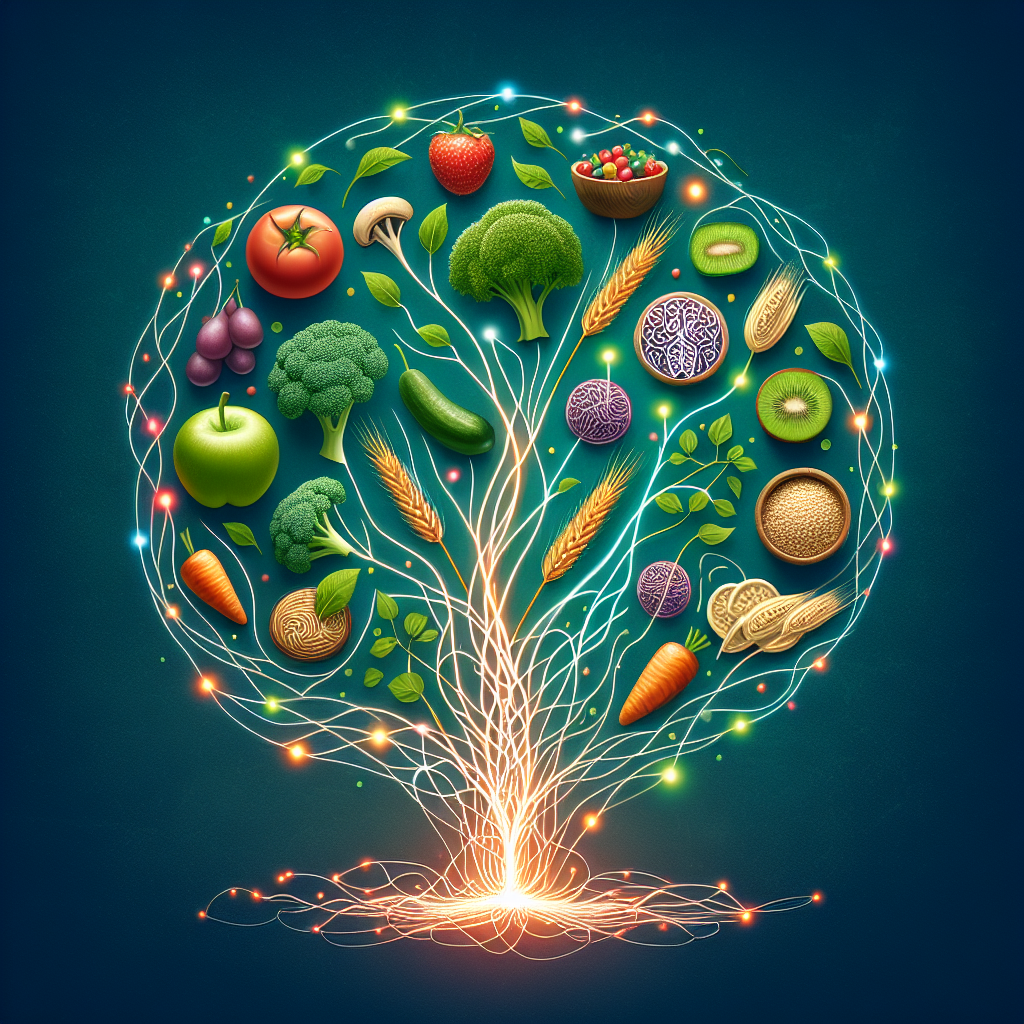
Imagine if your diet could influence the very structure and function of your brain. The food you consume isn’t just fuel; it’s a vital ingredient that shapes cognitive performance and brain health. In today’s fast-paced world, where mental clarity and cognitive function are crucial, understanding the connection between nutrition and neural networks becomes essential. Welcome to the exploration of "Nutrition and Neural Networks: The Ultimate Link Between Diet and Brain Growth," where we will unravel the compelling evidence that ties what we eat to how our brains develop and operate.
Understanding Neural Networks
What Are Neural Networks?
Neural networks, in the realm of neuroscience, refer to the interconnected group of neurons that communicate with one another to process information. Think of these networks as the brain’s intricate web, responsible for function, communication, and learning. They adapt and grow based on experience, learning, and environmental factors, including nutrition.
The Role of Neuroplasticity
One of the most remarkable features of neural networks is neuroplasticity—the brain’s ability to reorganize itself by forming new neural connections throughout life. Neuroplasticity is influenced significantly by external factors, such as diet, which can enhance or inhibit the formation of these networks.
The Link Between Diet and Brain Growth
Key Nutrients for Brain Development
When we talk about "Nutrition and Neural Networks: The Link Between Diet and Brain Growth," specific nutrients play pivotal roles:
Omega-3 Fatty Acids: Found in fish, flaxseeds, and walnuts, omega-3s are crucial for the growth of neuronal membranes and improving communication between cells. Studies have shown that diets rich in omega-3s have been linked to increased neurogenesis and synaptic plasticity.
Antioxidants: Fruits and vegetables rich in antioxidants protect the brain from oxidative stress and inflammation, which can impair cognitive functions. Berries, leafy greens, and nuts are excellent choices for brain health.
B Vitamins: Vitamins B6, B12, and folic acid are essential for neurotransmitter synthesis and the overall maintenance of brain health. A deficiency in these vitamins can lead to cognitive decline.
- Protein: Amino acids from protein are the building blocks of neurotransmitters. Foods like turkey, eggs, and beans are vital for mood regulation and cognitive function.
Case Study: The Mediterranean Diet
One compelling example of the link between diet and brain health is the Mediterranean Diet. Studies have shown that this diet, rich in vegetables, fruits, whole grains, and healthy fats, is associated with improved cognitive performance and reduced risk of neurodegenerative diseases.
- Findings: A research study published in the journal Neurology found that individuals following a Mediterranean diet had a slower rate of cognitive decline compared to those who consumed a diet high in saturated fats and sugars.
Analysis
This case illustrates that adopting a nutrient-dense diet can have profound implications for brain health, aligning perfectly with our understanding of "Nutrition and Neural Networks: The Link Between Diet and Brain Growth."
The Science of Nutrition in Neuroplasticity
The Brain-Gut Connection
Emerging research underscores the fascinating relationship between the gut microbiome and brain health. The gut produces neurotransmitters fundamentally linked to mood and cognition.
- Gut Health: A balanced diet rich in prebiotics and probiotics can promote a healthy gut microbiome, fostering neuroplasticity and cognitive function.
The Impact of Sugar and Processed Foods
Conversely, a diet high in sugars and processed foods can negatively affect cognitive functions. Excess sugar can lead to inflammation, impacting neural networks and potentially resulting in a decline in brain health.
Table: Nutrients for Brain Health
| Nutrient | Food Sources | Benefits |
|---|---|---|
| Omega-3 Fatty Acids | Fish, flaxseeds, walnuts | Enhances synaptic plasticity |
| Antioxidants | Berries, leafy greens, nuts | Protects against oxidative stress |
| B Vitamins | Eggs, beans, leafy greens | Supports neurotransmitter synthesis |
| Protein | Turkey, fish, legumes | Provides amino acids for neurotransmitter function |
Practical Dietary Interventions
Meal Planning for Brain Health
To align your diet with optimal brain function, consider these tips:
- Incorporate brain-boosting foods: Include fatty fish, nuts, berries, and vegetables in your daily meals.
- Stay hydrated: Dehydration can impair cognitive functions. Aim for adequate water intake.
- Limit processed foods: Reducing sugar and artificial additives can improve cognitive clarity and performance.
Case Study: The DASH Diet
The DASH (Dietary Approaches to Stop Hypertension) diet, originally designed to combat high blood pressure, has shown promising effects on cognitive health.
- Findings: Research indicates that individuals adhering to the DASH diet experienced benefits in memory and cognitive performance.
Analysis
This further illustrates how dietary interventions can significantly impact brain health, reinforcing the concept of "Nutrition and Neural Networks: The Link Between Diet and Brain Growth."
Conclusion
In conclusion, understanding the connection between nutrition and brain growth opens up new avenues for improving cognitive health. A nutrient-rich diet not only nourishes our bodies but also fuels our minds, enhancing neuroprotective mechanisms and fostering neuroplasticity. Implementing brain-healthy dietary practices can lead to improved cognitive functions and a healthier brain across the lifespan.
Actionable Insights
- Evaluate Your Diet: Reflect on your eating habits—are you prioritizing brain-boosting foods?
- Make Small Changes: Gradually incorporate more nutrient-dense foods into your meals.
- Stay Informed: Continue exploring the relationship between nutrition and brain health to make better dietary choices.
FAQs
1. How does diet affect cognitive function?
Diet impacts cognitive function by influencing neuroplasticity, inflammation, and oxidative stress in the brain.
2. What foods are best for brain health?
Foods high in omega-3 fatty acids, antioxidants, and B vitamins—like fatty fish, berries, nuts, and whole grains—are best for brain health.
3. Can dietary changes improve memory?
Yes, adopting a nutrient-rich diet can enhance memory and cognitive abilities.
4. Is the Mediterranean diet good for brain health?
Absolutely! The Mediterranean diet has been linked to improved cognitive performance and lower risks of neurodegenerative diseases.
5. What role does hydration play in brain health?
Proper hydration is crucial for maintaining cognitive function and overall brain health, as dehydration can impair concentration and memory.
Final Thoughts
The intersection of "Nutrition and Neural Networks: The Ultimate Link Between Diet and Brain Growth" reveals profound insights into how our choices can shape our cognitive landscape. By prioritizing a wholesome diet, we can empower our brains to grow, learn, and thrive. Let’s take charge of our nutritional habits today to lay the foundation for a healthier, smarter tomorrow.
About the Author