Overcoming Obstacles: Inspiring Stories of Language Learners with Learning Disabilities
Introduction: The Journey of Resilience
The journey of learning a new language can often feel like climbing a mountain. For many, it’s a thrilling adventure filled with moments of revelation and excitement. However, for language learners with learning disabilities, this journey may be fraught with unique challenges that can seem insurmountable. Yet, amidst these obstacles, there are countless stories that shine a light on determination, resilience, and the human spirit’s unfathomable capacity to overcome adversity.
In this exploration of Overcoming Obstacles: Inspiring Stories of Language Learners with Learning Disabilities, we will delve into real-life accounts that resonate deeply, echoing the struggles and triumphs faced by individuals whose paths may be more challenging but are rich with inspiration. These stories serve not only to motivate those on similar journeys but also to showcase the importance of understanding and supporting diverse learning needs in the language acquisition process.
The Nuances of Learning Disabilities
Understanding Learning Disabilities
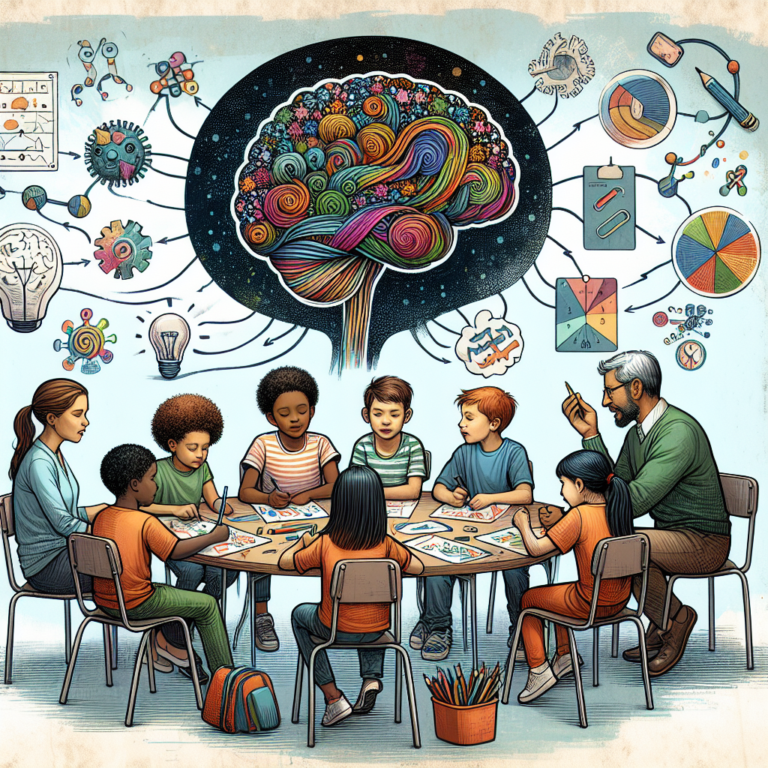
Learning disabilities manifest in various forms, impacting individuals’ ability to process information, communicate, or take in new linguistic materials. Conditions such as dyslexia, ADHD, or auditory processing disorder can complicate language learning, making traditional methods less effective.
Statistics to Note:
| Learning Disability | Percentage of Students Affected |
|---|---|
| Dyslexia | 5-10% |
| ADHD | 8-10% |
| Auditory Processing | 5% |
These statistics underscore the need for tailored approaches that cater to each learner’s unique challenges.
Specific Learning Challenges
For instance, a dyslexic learner might struggle with decoding words, leading to difficulties in reading and writing. An individual with ADHD may find it tough to concentrate during language classes, missing vital information. Recognizing these specific hurdles is crucial for educators, peers, and the learners themselves as they embark on their language-learning journeys.
Inspiring Case Studies: A Closer Look
Case Study 1: Maria – The Power of Visual Learning
Background: Maria, a 28-year-old from Mexico, struggled with dyslexia throughout her early education. While traditional teaching methods left her feeling frustrated, she remained determined to learn English.
Approach and Strategy: Maria’s breakthrough came when she discovered a language application that utilized visual learning techniques. By associating vocabulary with images and utilizing same-language subtitles in videos, Maria transformed her learning experience.
Analysis: Maria’s story highlights the importance of adapting teaching methods to suit the learner’s strengths. Visual learning techniques can be incredibly effective in language acquisition for those with learning disabilities, offering a viable alternative to conventional methods.
Case Study 2: Jordan – Turning ADHD into an Asset
Background: Jordan, a 20-year-old learner from the United States, was diagnosed with ADHD. This diagnosis made traditional language classes a struggle, as maintaining attention during long lectures was nearly impossible for him.
Approach and Strategy: After consulting with a language coach, Jordan switched to immersive learning environments, such as language exchange meet-ups and interactive games. Through peer interactions, he could focus his energy on real conversations, making the learning process enjoyable.
Analysis: Jordan’s experience is a testament to the essential concept of capitalizing on individual attributes. What may seem like a hindrance can be transformed into a powerful tool for learning, as engaging in dynamic environments allowed him to excel in real-time language use.
Case Study 3: Li – The Role of Community Support
Background: Li, a 30-year-old from China, was diagnosed with auditory processing disorder, creating significant barriers in her ability to follow spoken language. Group language classes left her feeling lost and overwhelmed.
Approach and Strategy: By connecting with a supportive community of fellow learners and mentors, Li gained access to resources like recorded lessons and one-on-one tutoring. This tailored support made a substantial difference in her comprehension and retention.
Analysis: Li’s narrative exemplifies the critical role that community plays in overcoming obstacles. A supportive network can provide the encouragement, knowledge, and personalized strategies necessary for learners facing unique challenges.
Key Insights and Strategies for Overcoming Obstacles
1. Emphasis on Personalized Learning
Every language learner has distinct strengths and weaknesses. Educational strategies must adapt, leveraging technology, peer support, and personalized methods.
2. The Essential Role of Community Support
Establishing a network of support can empower learners, offering them the encouragement and motivation needed to persevere. Language clubs, online communities, and study groups can provide invaluable assistance.
3. Innovative Teaching Methods
From visual aids to gamification, educators should strive to implement diverse teaching styles. Engaging learners with creative approaches can facilitate better understanding and retention of the new language.
4. Advocacy and Awareness
Raising awareness about the challenges of language learners with disabilities can lead to greater empathy and support in educational environments. Students, educators, and family members should advocate for necessary accommodations and resources.
Conclusion: A Journey Worth Embracing
The stories of Maria, Jordan, and Li are shining examples of resilience in the face of adversity. They remind us that while the road of language acquisition for learners with disabilities is fraught with challenges, it is also filled with opportunities for growth, understanding, and triumph.
As we move forward, let us remember the power of community, the importance of tailored learning methods, and the indomitable spirit that exists within every language learner navigating their unique path.
In the world of language learning, overcoming obstacles isn’t just about acquiring a new vocabulary; it’s about opening doors to new experiences, perspectives, and connections.
FAQs: Overcoming Obstacles in Language Learning
1. What are common learning disabilities that affect language learning?
Common disabilities include dyslexia, ADHD, and auditory processing disorders, each influencing the language acquisition process differently.
2. How can educators support students with learning disabilities in language classes?
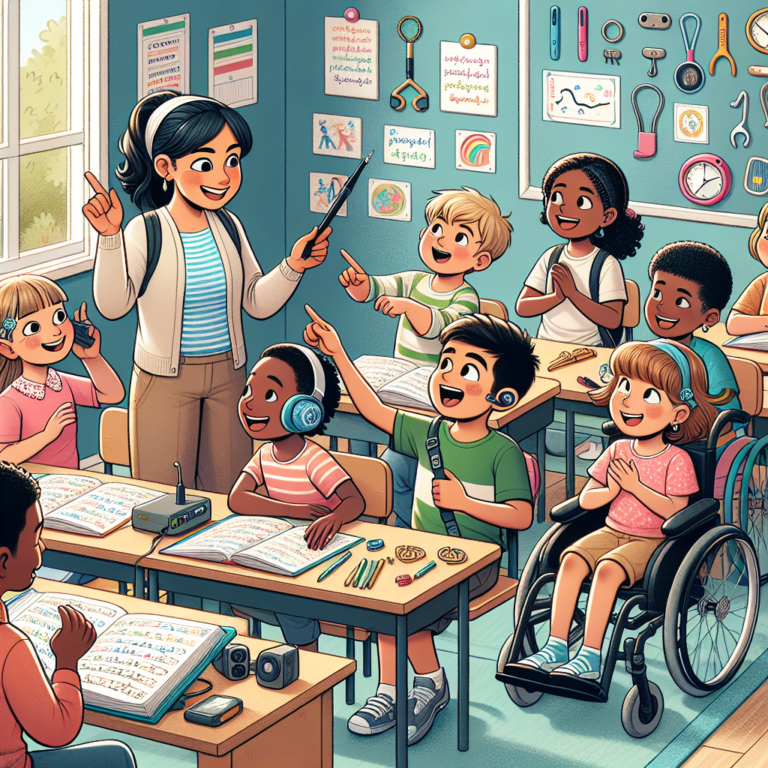
Educators can offer personalized approaches, utilize multi-sensory teaching methods, and foster a supportive classroom environment.
3. What tools are effective for learners with dyslexia?
Visual aids, interactive apps, and techniques such as audiobooks can help dyslexic learners engage more successfully with language material.
4. How important is peer support for language learners with disabilities?
Peer support can provide encouragement, motivation, and practical assistance, making the learning journey more enjoyable and less isolating.
5. What are some actionable strategies for self-advocacy in language learning?
Students can articulate their needs to educators, seek out additional resources, and connect with supportive communities to enhance their learning experiences.
In conclusion, the narratives of overcoming obstacles outlined here not only illuminate individual stories but also inspire a broader understanding of the collective power of empathy, support, and resilience among language learners with learning disabilities.
About the Author