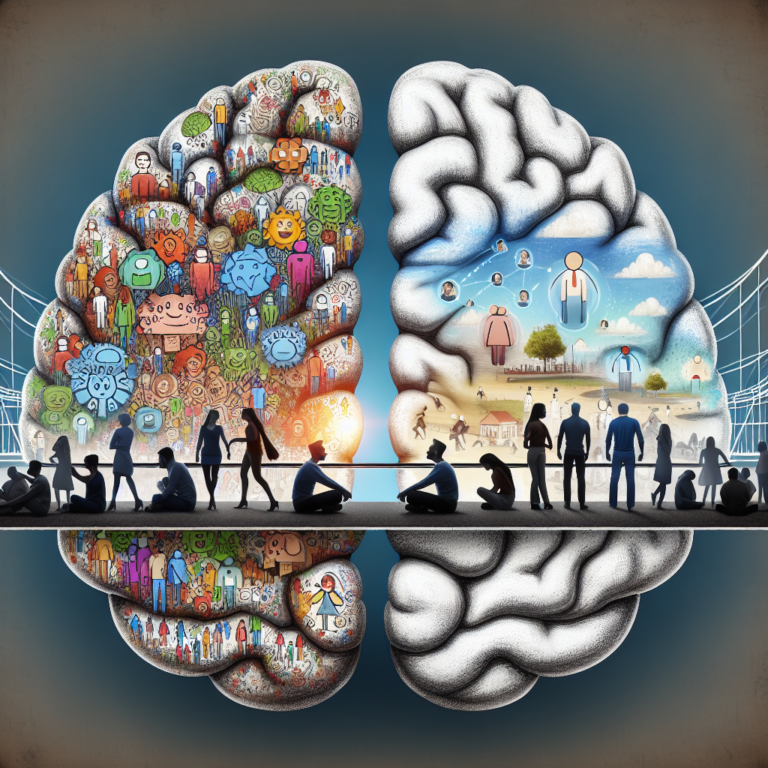
Do our biases define us, or can we overcome them? This question is at the core of prejudice and discrimination in social psychology.
Prejudice is about the biases we hold inside towards certain groups. Discrimination shows these biases through actions, hurting the targeted group.
It’s key to understand these concepts to tackle social issues and foster inclusivity. We’ll dive into the psychological reasons behind prejudice and discrimination. We’ll also look at ways to lessen their effects.
Key Takeaways
- Prejudice refers to the internal biases and attitudes towards a particular group.
- Discrimination involves actions or behaviors that negatively affect the targeted group.
- Understanding prejudice and discrimination is essential for addressing social issues.
- Social psychology provides insights into the psychological mechanisms driving these phenomena.
- Strategies for mitigating prejudice and discrimination will be discussed.
Understanding Prejudice: Definitions and Concepts
Prejudice is a complex issue that affects many people around the world. It involves unjust attitudes towards certain groups. These attitudes are often based on implicit bias, which is automatic and unconscious.
Prejudice is when we unfairly judge someone because of their group. This judgment is usually negative. It’s based on implicit bias, which affects our decisions without us realizing it.
What is Prejudice?
Prejudice means making judgments based on group membership, not individual traits. This can lead to unfair treatment of certain groups.
Studying prejudice is closely linked to racism psychology. It looks at the psychological reasons behind racial prejudices and how they affect relationships between groups.
Types of Prejudice
There are different kinds of prejudice, including:
- Racial prejudice
- Gender prejudice
- Religious prejudice
- Sexual orientation prejudice
Each type affects people and communities in its own way.
The Role of Stereotypes
Stereotypes are a big part of prejudice. They are biased thoughts about a group. These stereotypes can make us believe things about people based on their group, even if they’re not true.
The table below shows how stereotypes, prejudice, and discrimination are connected:
| Concept | Description | Example |
|---|---|---|
| Stereotype | Biased thought about a group | Assuming all members of a group share certain traits |
| Prejudice | Negative attitude toward a group | Disliking a group without basis |
| Discrimination | Behavioral manifestation of prejudice | Treating individuals unfairly based on group membership |
The Psychology Behind Prejudice
Prejudice is complex, with many factors contributing to its development. It’s not just an attitude or behavior. It’s deeply rooted in how we see and interact with others.
Cognitive Dissonance and Prejudice
Cognitive dissonance theory says we feel uncomfortable when our beliefs and actions don’t match. This discomfort can make us change our attitudes or behaviors. For instance, if someone discriminates but believes in fairness, they might change their beliefs to justify their actions.
“Cognitive dissonance is a powerful motivator that can lead individuals to change their attitudes or behaviors to achieve consistency.”
Social Identity Theory
Social identity theory says we categorize ourselves into groups to boost our self-esteem. We see ourselves as part of an in-group and others as out-groups. This automatic process affects how we see others.
The difference between in-group and out-group is key in social identity theory. It leads to favoring those like us and prejudice against those different from us.
| Aspect | Ingroup | Outgroup |
|---|---|---|
| Perception | Favorable | Less favorable |
| Interaction | Cooperative | Competitive |
| Attitude | Positive bias | Negative bias |
The Influence of Conformity
Conformity also plays a big role in keeping prejudice alive. Being part of a group with prejudiced views makes us more likely to agree, even if we don’t personally agree. This conformity makes prejudiced attitudes and behaviors seem normal within the group.
Understanding these factors is key to fighting prejudice. By knowing how cognitive dissonance, social identity theory, and conformity work, we can tackle the roots of prejudice.
Discrimination: Beyond the Psychological Spectrum
Discrimination is more than just personal biases. It also involves big systems and rules. It shows up in many ways and hits different groups in different ways.
What Constitutes Discrimination?
Discrimination means unfair treatment of people based on things like race, age, sex, or disability. It’s about actions or behaviors that keep certain groups down.
Key elements of discrimination include:
- Prejudicial attitudes: Negative feelings or biases towards a particular group.
- Discriminatory behaviors: Actions taken based on prejudicial attitudes, resulting in unfair treatment.
- Institutional practices: Policies or practices within organizations that perpetuate discrimination.
Different Forms of Discrimination
Discrimination can take many forms, including:
| Type of Discrimination | Description | Examples |
|---|---|---|
| Racial Discrimination | Prejudice or discrimination based on race or ethnicity. | Employment bias, racial profiling. |
| Gender Discrimination | Unequal treatment based on gender. | Pay disparities, sexist stereotypes. |
| Age Discrimination | Prejudice against individuals based on their age. | Employment bias against older or younger workers. |
Systemic Discrimination Explained
Systemic discrimination is when unfair practices are built into society’s institutions. This includes education, jobs, and law enforcement. It keeps inequality alive through policies and practices that seem fair but hurt some groups more.

It’s key to understand and fight systemic discrimination. This helps reduce prejudice and lessen the harm discrimination causes to people and communities.
The Impact of Prejudice on Individuals
Prejudice can deeply affect a person’s emotions and mind. It changes many parts of life, from mental health to how we interact with others.
Emotional and Psychological Effects
Being prejudiced against can make people feel stressed, anxious, and less confident. The emotional pain of facing prejudice can be huge. Studies in the psychology of racism show that racism can make people feel many negative emotions.
These effects can last a long time. They can make it hard for people to make friends or reach their goals. For example, prejudice experiments show how prejudice can change how people see themselves and act.
Effects on Mental Health
Prejudice can really hurt a person’s mental health. Research shows that those who face prejudice are more likely to get depression and anxiety.
- They might feel stressed because they worry about facing prejudice.
- They might feel bad about themselves because of negative stereotypes.
- They might feel anxious when they think about social situations where prejudice could happen.
It’s very important to fight prejudice to help people’s mental health. By understanding prejudice’s effects, we can make plans to help those who face it.
Prejudice in Childhood Development
Children are very sensitive to prejudice. It can affect how they grow up and see the world. Prejudice in childhood can shape a child’s identity and how they interact with others.
- It can hurt a child’s self-esteem and confidence.
- It can change how they see others and themselves.
- Children who face prejudice might pull back or become aggressive.
We need to tackle prejudice early to help kids grow up well. Teachers and parents can help a lot by creating a welcoming place for everyone.
Social Influences on Prejudice and Discrimination
The way groups are shown in media can either help or hurt our views on them. Social influences greatly shape how we see different groups. Knowing these factors is key to fighting prejudice.
Media Representation
Media has a big impact on how we see groups. It can keep stereotypes alive by showing groups in a bad light. For example, seeing certain ethnic groups in crime news can make us think badly of them.
But, when media shows diverse and positive groups, it helps change our views. This can break down stereotypes and help us understand each other better.
- The diversity of characters and stories portrayed
- The presence of stereotypes and biases
- The impact of media consumption on individual attitudes
Education and Awareness
Learning and knowing more is key to fighting prejudice. Education can teach us to see things from different angles. It can help us understand and feel for others.
Good education strategies include:
- Using diverse perspectives in learning materials
- Talking about social justice and equality
- Using stories and real-life examples to teach empathy
Peer Influence
Who we hang out with also matters. Our friends’ views can make us think differently. Being in a diverse and respectful group can make us more open-minded.
Ways to use positive peer influence include:
- Creating welcoming social spaces
- Having open talks about prejudice and discrimination
- Looking up to people who value diversity
By tackling these social factors, we can build a fairer world. It takes effort from media, schools, and communities to fight prejudice and discrimination.
Historical Context of Prejudice and Discrimination
It’s key to know the history of prejudice to tackle it today. Prejudice and discrimination have shaped history, driven by social, cultural, and economic factors.
Prejudice Through the Ages
Prejudice has taken many forms across history and cultures. In ancient times, prejudices were tied to tribal, ethnic, or national identities. The Roman Empire, for example, had a strict social hierarchy with prejudices against some groups.
In the Middle Ages, religious prejudices grew, leading to discrimination against minority groups. The Crusades and Inquisition show how religious prejudice sparked conflict and persecution.
Notable Movements Against Discrimination
History also shows big fights against discrimination. The Civil Rights Movement in the 1950s and 1960s in the U.S. is a prime example. Activists, led by Martin Luther King Jr., fought racial segregation.
The Feminist Movement and LGBTQ+ Rights Movement have also been key. They’ve challenged and changed discriminatory attitudes and practices.
The Role of Legislation
Laws have been vital in fighting prejudice and discrimination. The Civil Rights Act of 1964 in the U.S. banned discriminatory practices in work, education, and public places.
Worldwide, the Universal Declaration of Human Rights has set global human rights standards. These laws help fight prejudice and push for equality.
The history of prejudice and discrimination shows how complex these issues are. Knowing this history helps us tackle the biases and racism psychology that affect us today.
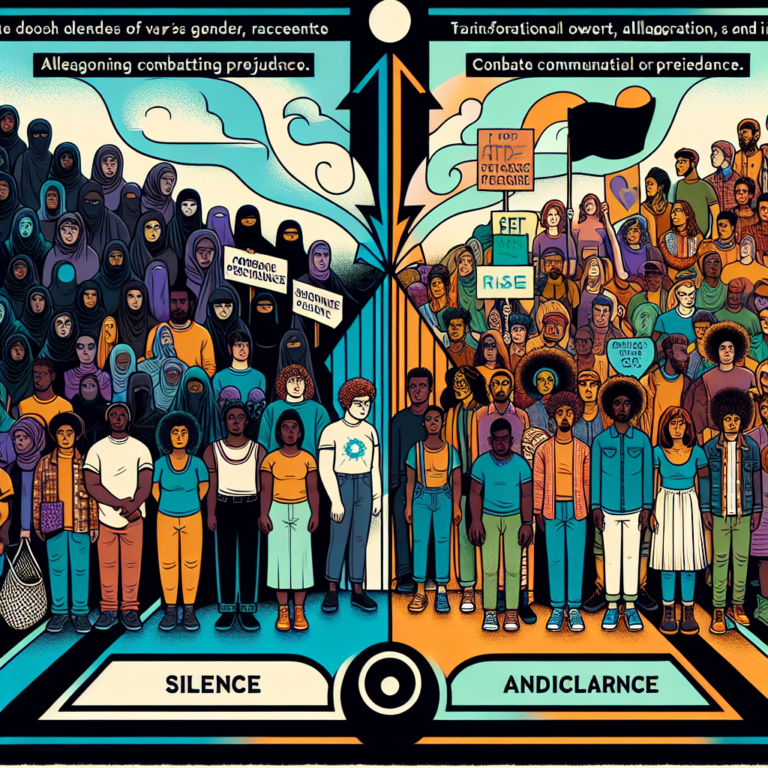
Ways to Combat Prejudice and Discrimination
Dealing with prejudice and discrimination needs a big plan. It includes teaching, spreading the word, and getting the community involved. Knowing why prejudice happens, like social categorization and ingroup vs outgroup, helps us find the right ways to act.
Education and Awareness Programs
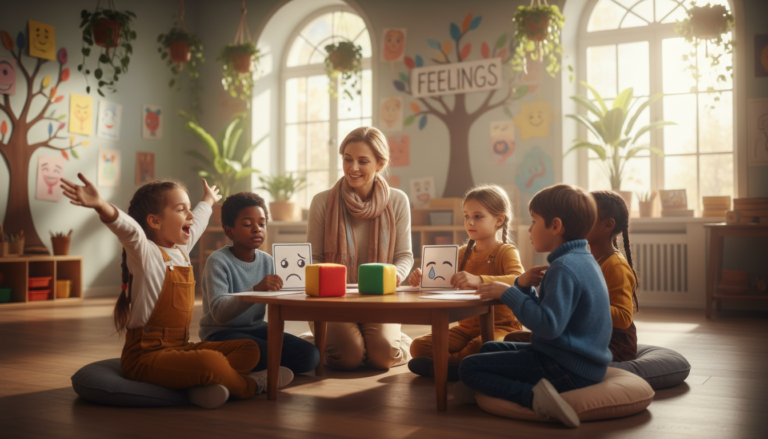
Learning is key in fighting prejudice and discrimination. Programs that show how prejudice hurts can help people see and fight their own biases. These can be in schools, work, and community centers, making a place where everyone is respected.
Promoting Empathy and Understanding
It’s important to build empathy to bridge gaps between groups. When we make people think about others’ views, we lessen the divide. Activities like role-playing and seeing things from another’s point of view can make our world more welcoming.
Community Engagement
Getting the community involved is essential for a welcoming place. Events, workshops, and talks bring people from all walks of life together. They share stories and learn from each other, fighting stereotypes and building a strong community.
In short, fighting prejudice and discrimination needs a mix of education, empathy, and community effort. With these steps, we can aim for a fairer and more open society.
The Intersectionality of Prejudice
Intersectionality helps us see how different prejudices mix and grow, causing unique struggles for those with many identities. It changes how we view prejudice by showing how different kinds of discrimination work together.
Understanding Intersectionality
Intersectionality is a way to understand how social identities like race, gender, and class mix to create special struggles. It was first talked about by Kimberlé Crenshaw to explain the challenges Black women face. Knowing about intersectionality helps us meet the needs of those with many identities.
It shows that people don’t face discrimination alone. Their struggles are shaped by many prejudices at once. For example, a Black woman might deal with racism and sexism at work.
How Multiple Identities Affect Experiences
Having many identities can change how someone feels prejudice. For example, someone who is LGBTQ+ and a racial minority might face homophobia and racism. This mix of identities can make their experience of discrimination worse.
- Having many identities can make discrimination worse.
- Each identity can lead to different kinds of prejudice, needing a deep understanding of the person’s experience.
- Intersectionality shows we need different ways to fight discrimination, not just one way for everyone.
Case Studies of Intersectional Discrimination
There are many examples of how intersectional discrimination works. For example, a study on Muslim women in the workplace found they faced Islamophobia and sexism. Another study showed how LGBTQ+ people of color deal with homophobia, transphobia, and racism.
| Identity | Forms of Prejudice | Effects |
|---|---|---|
| Racial Minority | Racism | Exclusion, marginalization |
| LGBTQ+ | Homophobia, Transphobia | Social exclusion, violence |
| Intersectional Identity | Multiple forms of prejudice | Compounded discrimination, complex needs |
These examples show why understanding intersectionality is key to fighting prejudice. By seeing how different prejudices work together, we can find better ways to reduce prejudice and support those with many identities.
The Role of Advocacy and Activism
Communities can fight prejudice and discrimination together. This teamwork is key to changing society for the better. It helps make our world more welcoming to everyone.
Grassroots Movements
Grassroots movements have changed society a lot. They start in local areas and tackle specific issues. For example, studies show that talking and learning can lessen biases.
Grassroots initiatives give people a chance to speak up. They help us take action together.
The Importance of Allyship
Allyship is very important in fighting for change. People from different backgrounds can help make a bigger difference. Effective allyship means listening, learning, and using your power to help.
This support helps movements grow stronger. It helps them succeed in their goals.
- Amplifying marginalized voices
- Educating oneself and others
- Using privilege to promote change
Future Directions for Advocacy
We need to think about how to keep improving advocacy. We should use new tech, get more people involved, and push for policy changes. Understanding and fighting racism and biases is ongoing work.
- Utilizing social media for awareness
- Building coalitions across different communities
- Advocating for policy reforms
By valuing advocacy and activism, we can keep fighting for a fair society. Together, we can make a difference and create a better world.
The Influence of Culture on Prejudice
The link between culture and prejudice is key in social justice psychology. Culture shapes how we see and treat different groups, affecting prejudice levels.
Cultural Norms and Values
Cultural norms and values are important in setting what’s okay and what’s not towards groups. Societies that value diversity tend to have less prejudice than those that prefer sameness.
Implicit bias is also influenced by culture. It’s about unconscious attitudes that guide our choices. Understanding and tackling these biases helps reduce prejudice.
Global Perspectives on Discrimination
Discrimination is a worldwide problem, showing up in many ways across cultures. Looking at different cultures helps us understand both common and unique reasons for prejudice.
| Cultural Context | Factors Contributing to Prejudice | Strategies for Reduction |
|---|---|---|
| Collectivist Cultures | Group harmony over individual rights | Promoting intergroup dialogue |
| Individualist Cultures | Emphasis on personal achievement | Fostering empathy through storytelling |
The Role of Language and Communication
Language and communication play big roles in prejudice. The words and stories we share can either keep stereotypes alive or help us understand each other better.
Using effective communication, like education and awareness, can challenge and change biased views. By applying social justice psychology principles, we can strive for a fairer world.
Measuring Prejudice and Discrimination
Measuring prejudice and discrimination is key in social psychology. It helps us see how common these issues are, their effects, and how they work.
Researchers use many ways to measure these issues. They choose between talking to people in depth or using numbers to understand more. This depends on what they want to know and the situation.
Qualitative vs. Quantitative Approaches
Qualitative methods like interviews give us detailed views of people’s lives. They help us see the complex ways prejudice and discrimination affect us.
Quantitative methods, like surveys, help us see how widespread these problems are. They let us spot patterns and test ideas. This is great for understanding big groups.
“Using both qualitative and quantitative methods together helps us really get to know prejudice and discrimination. Each method’s strengths help make up for the other’s weaknesses.”
Surveys and Their Limitations
Surveys are often used to study prejudice and discrimination. They let us gather lots of data. But, they can be tricky because people might not always tell the truth.
| Method | Advantages | Limitations |
|---|---|---|
| Surveys | Large sample sizes, quantifiable data | Social desirability bias, limited depth |
| In-depth Interviews | Rich, nuanced data, explores complex processes | Small sample sizes, subjective interpretation |
The Role of Psychology in Measurement
Psychology is very important in studying prejudice and discrimination. It helps us make better tools to measure these issues. Knowing how we categorize others is key to understanding prejudice.
Studying racism psychology shows we need to be careful in how we measure. Prejudice and discrimination can be hidden in subtle ways.
By mixing psychology with careful methods, researchers can learn a lot. This helps us find ways to fight prejudice and discrimination.
Looking Forward: The Future of Prejudice and Discrimination Psychology
Understanding the differences between ingroup and outgroup is key. It helps us find ways to reduce prejudice. This knowledge is essential for creating a fairer world.
Emerging Research Directions
New studies are looking at how different identities mix and affect prejudice. This deeper insight can lead to better ways to help people.
Technological Advancements
Technology is becoming a big help in fighting prejudice. It includes online campaigns and tools that spot bias. These tools are very promising for making a difference.
Solutions for a More Inclusive Future
We can make society more welcoming by using new trends and tech. Community work, learning, and speaking out are important. Together, they help fight prejudice and build understanding.
FAQ
What is prejudice, and how does it differ from discrimination?
How do stereotypes contribute to prejudice?
What is the role of cognitive dissonance in prejudice?
How does social identity theory relate to prejudice?
What are some effective strategies for combating prejudice and discrimination?
How does intersectionality impact experiences of prejudice and discrimination?
What is the significance of cultural sensitivity in addressing prejudice?
How can psychology contribute to understanding and measuring prejudice and discrimination?
What are some emerging trends in research on prejudice and discrimination?
How can technology be leveraged to combat prejudice and discrimination?
About the Author