Introduction
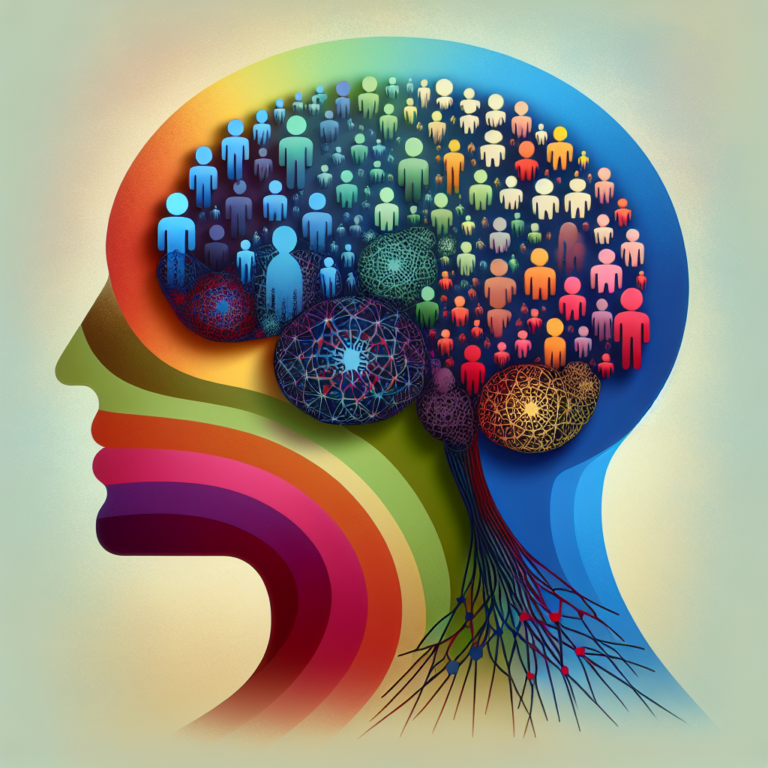
Adolescence is a tumultuous period marked by identity exploration, emotional upheaval, and a quest for belonging. It’s a time when young individuals often rebel against societal norms, seeking not just independence but acceptance. In this complex dance of rebellion and belonging, some adolescents find themselves gravitating toward gang affiliation. Understanding this phenomenon is essential—not just for psychologists, educators, and parents, but for society at large. In this comprehensive article, we delve deep into the psychological underpinnings of gang affiliation, exploring how rebellion and belonging intertwine in the lives of young individuals.
The Adolescent Psyche: A Landscape of Rebellion
Understanding Adolescence
Adolescence is often characterized by significant physical, emotional, and social changes. According to developmental psychologist Erik Erikson, this stage is primarily about identity versus role confusion. As adolescents strive to carve out their identities, they frequently challenge authority figures and established norms—a classic sign of rebellion.
Key Characteristics of Adolescent Rebellion
- Identity Exploration: Adolescents seek to define who they are, often experimenting with different personas.
- Defiance Against Authority: There is a natural inclination to question rules and authority figures.
- Peer Influence: Social acceptance becomes paramount; adolescents are often swayed by peer behavior and norms.
Case Study: The Impact of Family Dynamics
In a study conducted by the National Institute of Justice, researchers analyzed the familial backgrounds of gang-affiliated youth. The results revealed a striking pattern: those from unstable family environments were more likely to associate with gangs. This underscores the significant role familial relationships and expectations play in the psychology of rebellion.
Relevance of the Case Study
This case highlights how a lack of emotional support and structure at home can push adolescents toward seeking validation in gangs. Such findings reinforce the need for community and familial interventions aimed at providing stable environments.
The Pull of Belonging: Why Gangs?
While rebellion may drive adolescents to question established norms, the pull of belonging is a powerful motivator for gang affiliation. Gangs often provide immediate gratification in the form of acceptance, loyalty, and identity, offering something that many young people find lacking in their lives.
The Psychological Need for Belonging
Psychologist Abraham Maslow identified belongingness as a fundamental human need, situated just above physiological and safety needs in his hierarchy. For adolescents who feel marginalized or rejected, gangs can serve as a surrogate family, fulfilling the need for love and acceptance.
Features of Gang Culture That Promote Belonging
- Identity Construction: Gangs often offer members a distinct identity, complete with symbols, language, and shared history.
- Support Networks: Gang members often rely on one another for emotional and material support, reinforcing their interdependence.
- Ritualistic Bonding: Initiation rituals and group activities build solidarity and a sense of belonging.
Case Study: The Crips and Bloods
One glaring example of how gangs provide belonging can be found in the Crips and Bloods in Los Angeles. Originating in the late 1960s, these gangs were initially formed as a response to social injustices but evolved into more complex structures. Members often report finding necessary camaraderie and identity in these groups, which they felt was missing in their lives outside the gang.
Analysis of the Case Study
This case exemplifies the dual nature of gangs as both a community and a complicating factor in society. While they can provide a sense of belonging, the inherent risks of violence and crime often lead to dire consequences.
Rebellion and Belonging: The Psychological Tug-of-War
The Dichotomy of Rebellion and Belonging
Adolescents navigating gang affiliations face a constant conflict between their desire to rebel and their need to belong. This tug-of-war creates a complex psychological landscape filled with conflicting emotions.
Factors Influencing This Conflict
- Socioeconomic Status: Youth in lower socioeconomic brackets may experience heightened feelings of alienation and thus seek gang affiliation more intensely.
- Cultural Identity: For some adolescents, gangs represent a cultural or ethnic identity, combining both rebellion against societal norms and a sense of belonging to a community.
The Role of Media and Peer Influence
The portrayal of gangs in movies, music, and social media can glorify gang life, making it more appealing to vulnerable adolescents. The allure of these portrayals may amplify rebellious thoughts while simultaneously offering a manufactured sense of belonging.
Table: Factors Influencing Gang Affiliation
| Factor | Influence on Gang Affiliation |
|---|---|
| Family Environment | Unstable homes can increase the risk of gang involvement. |
| Peer Pressure | Desire for acceptance can lead to gang affiliation. |
| Socioeconomic Status | Economic hardship often correlates with gang life. |
| Cultural Identity | Gangs may serve as channels for cultural expression. |
| Media Influence | Glorification of gang life can attract vulnerable youth. |
The Role of Schools in Mitigating Gang Affiliation
Educational Interventions
Schools play a pivotal role in addressing issues of gang affiliation through various preventative programs and educational interventions. These initiatives can provide students with a sense of belonging and community while addressing issues of rebellion constructively.
Effective Strategies
- Mentorship Programs: Pairing students with mentors can offer guidance and positive role models.
- Counseling Services: Providing mental health support can help address underlying issues of emotional distress.
- Extracurricular Activities: Engaging youth in sports, arts, or other activities fosters a sense of community and belonging.
Case Study: The “Fight Crime: Invest in Kids” Initiative
This initiative emphasizes education and early intervention as tactics to combat gang violence. Through improved education access and after-school programs, communities have reported significant reductions in gang affiliation among adolescents.
Analysis of the Case Study
This program demonstrates the power of proactive educational measures in combating the allure of gang life. By fulfilling the psychological needs for belonging and support, such initiatives can deter youth from seeking acceptance in gangs.
Conclusion
Rebellion and belonging are two intertwined facets of adolescent psychology that greatly influence gang affiliation. The quest for identity and acceptance can lead to choices that have lasting consequences. Understanding this complex relationship is critical not only for professionals working with at-risk youth but also for parents, educators, and communities.
Engaging in open dialogues about the challenges faced during adolescence can foster better relationships between adults and youth, ultimately steering them away from gangs. It is crucial to create environments where adolescents feel empowered to make choices that promote their well-being and contribute positively to society.
Motivational Takeaway
While the journey of adolescence can be fraught with challenges, it also offers incredible opportunities for growth and connection. By embracing forms of belonging that are positive and uplifting, young individuals can navigate their rebellious stages more constructively.
FAQs
1. What are some common reasons adolescents join gangs?
Adolescents often join gangs due to the need for acceptance, a sense of belonging, familial issues, or exposure to violence and crime in their communities.
2. How can parents recognize signs of gang involvement?
Signs may include changes in behavior, new friends who seem suspicious, unexplained absences, and the adoption of gang-related symbols or clothing.
3. What role do schools play in preventing gang affiliation?
Schools can foster a sense of community, offer mentorship programs, and provide counseling services to address the challenges adolescents face.
4. How can communities support at-risk youth?
Community programs that provide safe environments, positive role models, and engaging activities can reduce the allure of gang affiliation.
5. What are some alternatives to gang affiliation for adolescents?
Engagement in sports, arts, and community service can offer a sense of belonging and purpose, steering youth away from gangs.
By understanding the psychological dynamics of rebellion and belonging, we can create healthier pathways for our youth—empowering them to transcend the trappings of gang affiliation and build brighter futures.
About the Author