Introduction: The Strength Within
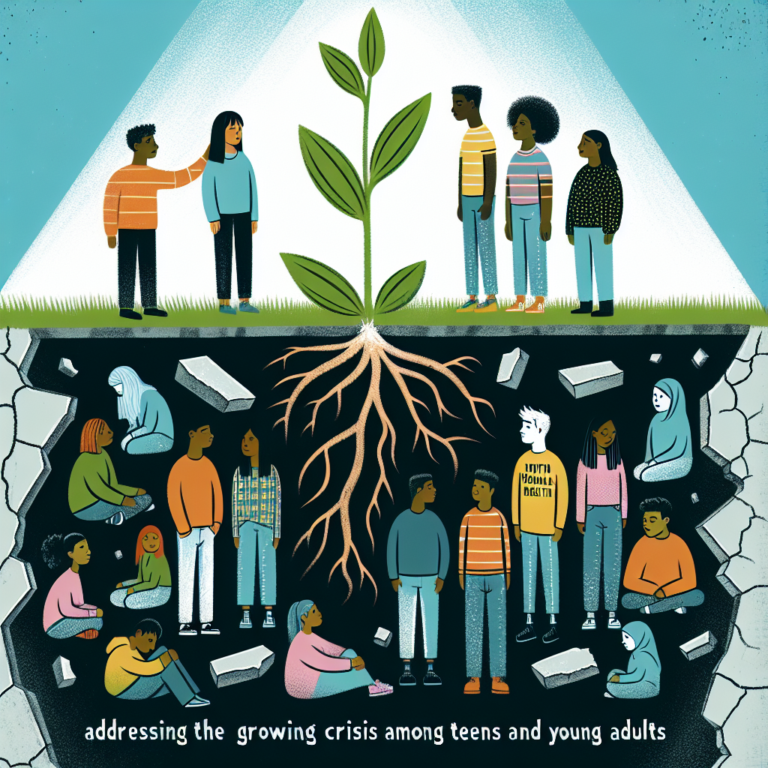
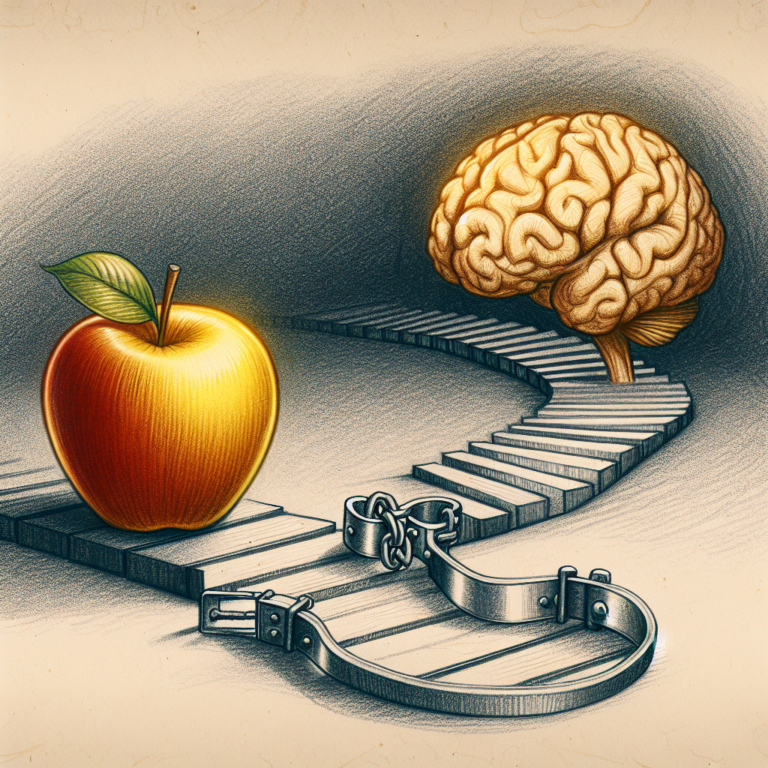
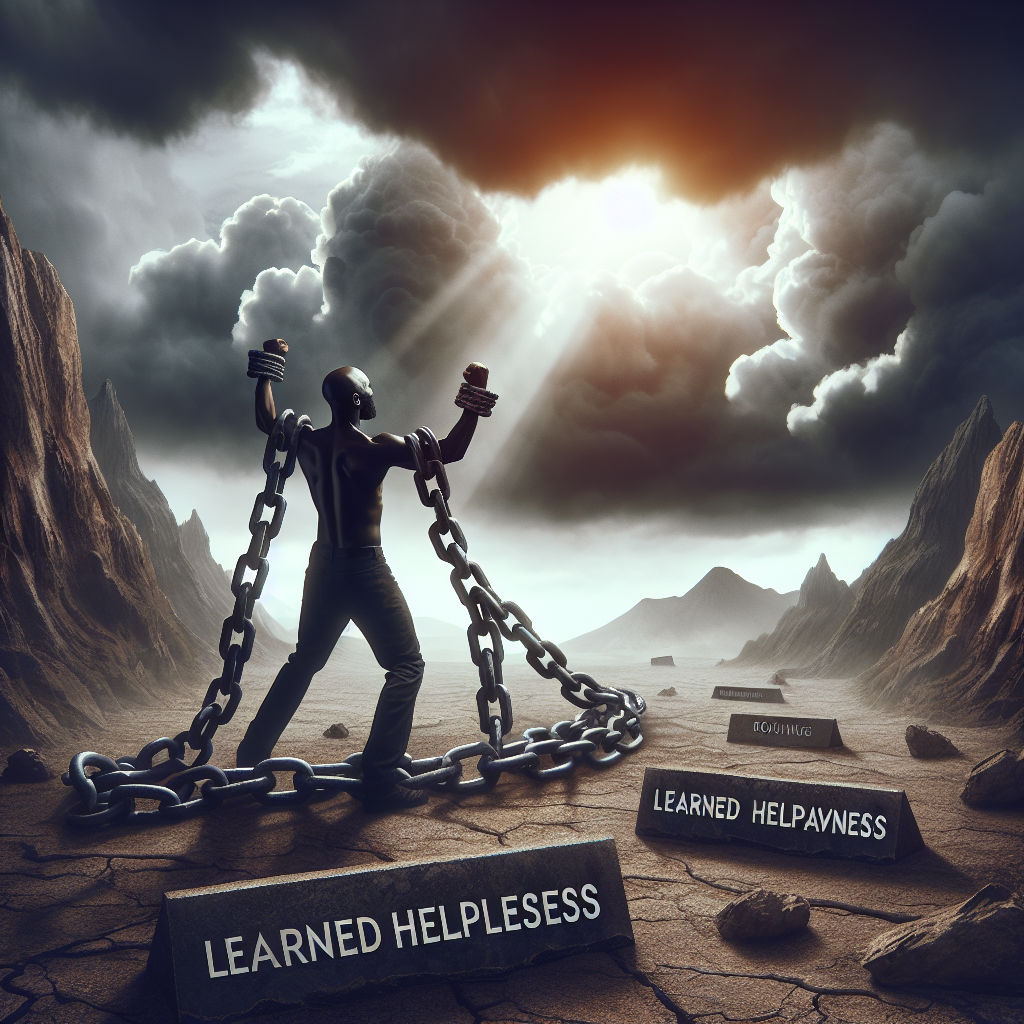
In a world filled with challenges and uncertainties, the concept of resilience has never been more crucial. Many adults face situations that foster a mindset of learned helplessness, where they feel powerless to change their circumstances. This mindset can stem from various experiences, such as traumatic events, chronic stress, or even consistent failure. Yet, within the depths of adversity lies the potential for remarkable transformation. Resilience in the face of adversity offers a way to rebuild and rise beyond the chains of learned helplessness. This article delves deeply into how adults can cultivate resilience, providing practical insights and case studies to illuminate the path forward.
Understanding Resilience and Learned Helplessness
1. What is Resilience?
Resilience is often defined as the ability to bounce back from setbacks, adapt to challenging circumstances, and maintain a positive outlook despite adversity. It is not just about enduring hardship but leveraging it to grow stronger. Resilience is a skill that can be developed over time, influenced by personal choices, social connections, and environmental factors.
2. What is Learned Helplessness?
Developed by psychologists Martin Seligman and Steven Maier in the late 1960s, learned helplessness describes a psychological state where individuals believe they lack control over their environment. This belief often leads to passivity and a resignation to failure. When faced with difficulties, a person exhibiting learned helplessness tends to view themselves as incapable of effecting change.
Table 1: Key Differences Between Resilience and Learned Helplessness
| Feature | Resilience | Learned Helplessness |
|---|---|---|
| Perspective | Proactive, sees challenges as opportunities | Passive, feels powerless |
| Emotional Response | Positive growth and empowerment | Despair and disengagement |
| Coping Strategy | Problem-solving and adaptive behaviors | Avoidance or inaction |
| Outcome | Personal growth and achievement | Stagnation and repeated failure |
The Cycle of Learned Helplessness
1. Recognizing the Patterns
Understanding learned helplessness is vital for overcoming it. Adults often find themselves in mental cycles that entrap them, where small failures lead to a sense of defeat, garnering a mindset that all efforts are futile. To break this cycle, one first needs to recognize its existence in their life.
2. The Impact on Mental Health
Individuals experiencing learned helplessness may exhibit symptoms of anxiety, depression, and low self-esteem. These issues can significantly impede one’s quality of life and motivation. Recognizing the signs is the first step toward healing.
Case Study: John’s Journey
John, a 38-year-old marketing manager, was often met with project failures. As time passed, he felt increasingly helpless in his role. His belief that he could not change outcomes blinded him to new strategies. After attending a resilience training workshop, John started practicing positive self-talk and breaking larger projects into manageable tasks. Over time, he regained confidence, illustrating how resilience can emerge from the ashes of learned helplessness.
Building Resilience: Strategies for Success
1. Cultivating a Growth Mindset
Adopting a growth mindset means viewing challenges and failures as opportunities for growth. Instead of saying, "I can’t do this," reframing it to, "I can learn how to do this" promotes resilience.
2. Developing Robust Support Networks
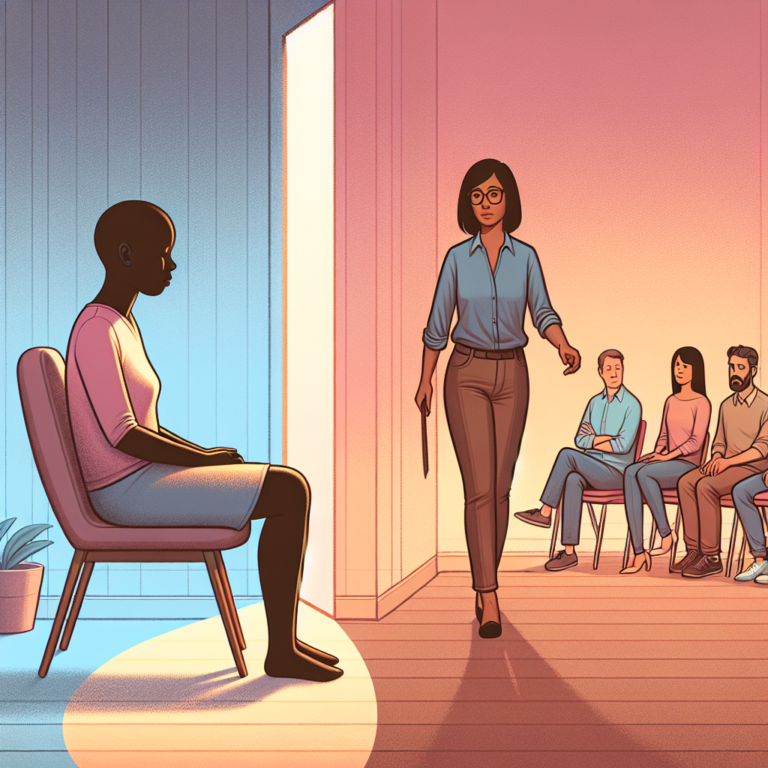
Human connection is a fundamental component of resilience. Surrounding oneself with supportive friends, family, or mentors can provide the encouragement necessary to push through tough times.
3. Emphasizing Problem-Solving Skills
Learning effective problem-solving skills can empower individuals to face their challenges head-on rather than succumbing to hopelessness. This may involve defining the problem clearly, brainstorming possible solutions, and evaluating the outcomes.
4. Practicing Mindfulness and Self-Care
Mindfulness techniques can significantly reduce stress and improve emotional regulation. Simple practices, such as meditation, deep-breathing exercises, or journaling, can enhance well-being and foster resilience.
Table 2: Practical Techniques to Develop Resilience
| Technique | Description |
|---|---|
| Growth Mindset | Embrace challenges as growth opportunities |
| Support Networks | Build strong relationships for encouragement |
| Problem Solving | Learn structured approaches to overcome obstacles |
| Mindfulness Practices | Engage in self-awareness and stress-reduction techniques |
Real-World Applications of Resilience
1. Workplace Resilience
In the modern workplace, resilience is a sought-after trait. Organizations that foster resilience among their employees not only improve morale but also enhance productivity. Programs focused on stress management and resilience training have shown positive impacts on employee retention rates and job satisfaction.
Case Study: Resilient Organizations
A company in the technology sector implemented a resilience training program after experiencing high employee turnover. Through workshops that emphasized emotional intelligence, collaboration, and adaptability, employee retention improved by 30% over two years, showcasing the powerful impact of resilience in organizational settings.
2. Resilience in Personal Relationships
Resilience also plays a crucial role in personal relationships. Couples and families that prioritize open communication and shared problem-solving tend to navigate conflicts more effectively.
Case Study: The Johnson Family
The Johnsons faced a financial crisis that threatened their family unity. Instead of falling into despair, they sought family counseling, which taught them to communicate openly and work collaboratively on solutions. This experience strengthened their bonds and highlighted the importance of resilience in overcoming relational adversities.
Common Misconceptions About Resilience
1. Resilience is Innate
Many believe resilience is a natural trait, but research indicates it’s a skill that can be nurtured over time. Everyone has the capacity for resilience with the right support and strategies.
2. Resilience Means Never Feeling Stress
Resilience doesn’t imply being free of stress or anxiety. It involves managing those feelings constructively to foster growth and learning.
3. Strong People Don’t Submit to Help
Asking for help is a sign of strength, not weakness. Resilient individuals understand the value of support systems in their journey.
Conclusion: Taking Action Towards Resilience
Embracing resilience in the face of adversity is not just about enduring hardships; it’s about finding the strength to thrive despite them. Overcoming learned helplessness allows adults to regain agency, promoting a more fulfilled and empowered life. By cultivating a growth mindset, building supportive networks, enhancing problem-solving abilities, and practicing mindfulness, individuals can break free from the chains of helplessness. The journey toward resilience is a continuous one, but every step taken can lead to a more vibrant and meaningful existence.
FAQs
1. What are some signs of learned helplessness?
Signs include feelings of hopelessness, avoidance of challenges, decreased motivation, and difficulty taking action or making decisions.
2. Is resilience something I can learn?
Absolutely! Resilience is a skill that can be developed with practice and the right support systems.
3. How long does it take to improve resilience?
The timeline varies for everyone, but consistent practice of resilience-building techniques can lead to noticeable improvements within weeks or months.
4. Can therapy help with learned helplessness?
Yes, therapy can provide strategies and support for overcoming learned helplessness and fostering resilience.
5. Are there specific books or resources on resilience?
Several, including "Option B" by Sheryl Sandberg and Adam Grant, and "The Resilience Factor" by Karen Reivich and Andrew Shatté are highly recommended for those looking to deepen their understanding of resilience.
In summary, resilience in the face of adversity is a vital skill that can be cultivated through intentional actions and support. By overcoming learned helplessness, adults can dramatically improve their emotional well-being and overall quality of life. Remember, the power to rise above lies within each of us, waiting to be unleashed.
About the Author