Introduction
In a world where negative thoughts often dominate, harnessing the power of positive thinking through affirmations and conscious self-talk can be game-changing. Imagine waking up every day with a clear mind, ready to tackle challenges with confidence and optimism. This isn’t just a fleeting dream; it’s an achievable reality when you engage in “Rewiring Your Brain: The Impact of Affirmations and Self-Talk.”
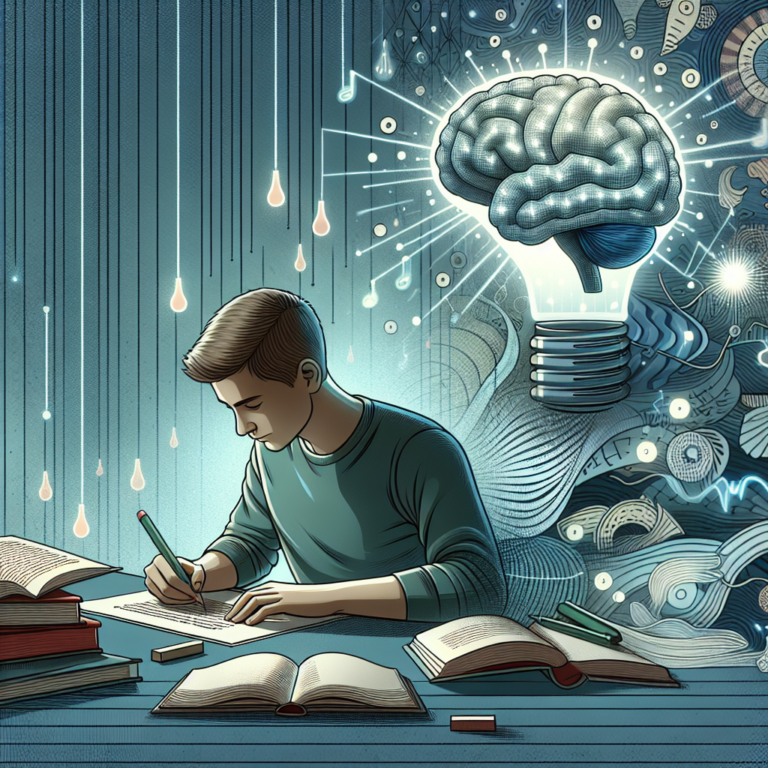
The human brain is a remarkable organ, capable of incredible change and adaptation—what we call neuroplasticity. The patterns we cultivate through our thoughts and words can shape our mental framework and, in turn, our lives. This article will delve into the science and practice of rewiring your brain using powerful affirmations and self-talk.
The Science Behind Neuroplasticity
What is Neuroplasticity?
Neuroplasticity refers to the brain’s ability to reorganize itself by forming new neural connections throughout life. This adaptability allows you to learn new skills and recover from injuries, showcasing the brain’s incredible potential for growth.
Table 1: Neuroplasticity at a Glance
| Aspect | Description |
|---|---|
| Definition | The brain’s ability to reorganize itself |
| Age Factor | Occurs throughout life but more pronounced in younger years |
| Trigger Factors | Learning, experience, environmental changes |
| Application | Skill development, cognitive therapy |
Affirmations and Self-Talk: A Neuroplasticity Catalyst
Affirmations and self-talk are potent tools for harnessing neuroplasticity. When you consciously choose positive affirmations, you are actively creating new neural pathways in your brain. This shift can lead to increased confidence, reduced anxiety, and improved overall mental health.
The Power of Affirmations
What Are Affirmations?
Affirmations are positive statements that challenge negative thoughts. They can be simple phrases like “I am capable” or “I attract success.” The key lies in repetition and emotional engagement; the more you believe these affirmations, the more they can reshape your self-perception.
Case Study: The Impact of Affirmations in Sports
Consider the case of Olympic athlete Michael Phelps. He has spoken openly about using affirmations during training. By visualizing his success and repeatedly affirming his skills, he created a mental routine that bolstered his confidence and focus.
Analysis
Phelps’s story serves as an excellent example of how champion athletes rely on self-talk and affirmations to optimize performance, demonstrating that these practices are not limited to everyday scenarios but can also be pivotal in high-stakes situations.
The Role of Self-Talk
Understanding Self-Talk
Self-talk is the internal dialogue you have with yourself. This can be positive (encouraging) or negative (critical). The type of self-talk you engage in can significantly affect your mood, behavior, and overall mental health.
Table 2: Positive vs. Negative Self-Talk
| Positive Self-Talk | Negative Self-Talk |
|---|---|
| “I can handle this challenge.” | “I can’t do anything right.” |
| “I am worthy and deserve happiness.” | “I will always be a failure.” |
| “I learn from my mistakes.” | “I always mess things up.” |
Case Study: The Transformative Power of Self-Talk
Take, for example, the story of a professional writer who faced crippling self-doubt. By deliberately changing her inner dialogue from “I don’t know if I can write this” to “I am a talented writer,” she experienced a significant boost in productivity and creativity.
Analysis
This case highlights the direct correlation between self-talk and performance. Just as professional athletes benefit from affirmations, creatives can amplify their potential through conscious self-dialogue, challenging limiting beliefs and fostering a productive mindset.
Integrating Affirmations and Self-Talk into Daily Life
Techniques for Effectiveness
- Be Specific: General affirmations can fall flat. Tailor your affirmations to address specific goals.
- Use Present Tense: Phrase affirmations as if they are already true (“I am successful”).
- Repeat Regularly: Consistency is key. Integrate affirmations into your morning routine or write them down.
Creating Your Personalized Affirmations
- Identify areas in your life that require positive change (e.g., career, relationships, health).
- Write down affirmations that speak directly to your needs.
- Incorporate these into your daily self-talk consciously, especially during challenging situations.
Case Study: Personal Affirmations for Career Growth
Consider a business professional who faced consistent rejection in job applications. By crafting specific affirmations like “I offer unique value to potential employers,” the individual not only gained confidence but ultimately landed a job in a top company.
Analysis
This example underscores the transformative effect affirmations can have in professional development spheres, demonstrating their role in reshaping career trajectories.
Overcoming Resistance
Acknowledging Negativity
While positive affirmations and self-talk can pave the way for a more fulfilling life, negative thoughts and resistance can creep in. It’s essential to acknowledge these thoughts without allowing them to dominate your mindset.
Techniques for Combatting Negativity
- Mindfulness Meditation: This practice improves awareness and helps you identify negative patterns.
- Gratitude Journaling: Write down three things you’re grateful for each day to cultivate a positive mindset.
- Seek Support: Surround yourself with positive influences who uplift and encourage you.
Monitoring Your Progress
Tracking Change
To fully understand the “Rewiring Your Brain: The Impact of Affirmations and Self-Talk,” it’s important to monitor your progress. Keep a journal tracking your feelings, thoughts, and achievements.
Table 3: Self-Reflection Journal Prompts
| Date | Affirmations Used | Feelings Before | Feelings After | Notable Changes |
|---|---|---|---|---|
| 10-05-2023 | “I am confident” | Anxious and overwhelmed | Empowered and focused | Spoke up in a meeting |
| 10-12-2023 | “I am worthy” | Self-doubt | Proud and accomplished | Completed a project |
Conclusion
Rewiring your brain through affirmations and self-talk is not just a possibility; it’s a reality that countless individuals are experiencing every day. By actively engaging in positive self-dialogue and reinforcing empowering beliefs, you can overcome negativity and unlock your full potential.
As we close, remember that change takes time and consistent effort. Embrace your affirmations, engage with your self-talk, and become the architect of your destiny. The journey of “Rewiring Your Brain: The Impact of Affirmations and Self-Talk” is as much about the path as the destination.
FAQs
1. How long does it take to see results from affirmations?
- Results can vary; some individuals notice changes in days, while others may take weeks or months. Consistency is key.
2. Can negative self-talk be completely eliminated?
- While it may not be possible to eliminate negativity entirely, you can learn to manage it and reduce its impact over time.
3. Should affirmations be said aloud or can they be written?
- Both methods are effective. Saying affirmations aloud can enhance emotional engagement, while writing them down solidifies commitment.
4. How do I create effective affirmations?
- Identify what you want to achieve, be specific, and phrase your affirmations in the present tense.
5. Can children benefit from affirmations?
- Absolutely! Teaching children to use affirmations can boost their self-esteem and help them develop a positive self-image from a young age.
The process of “Rewiring Your Brain: The Impact of Affirmations and Self-Talk” is one of self-discovery and empowerment. Embrace it, and transform not just your thoughts, but your entire life.
About the Author


Dr. Leah Howard, Positive Psychology
Dr. Howard is a researcher and advocate for positive psychology, focusing on human strengths, happiness, and well-being. Her writings explore how people can cultivate a positive mindset, improve resilience, and develop emotional intelligence to live fulfilling lives.