Silent Scars: Unraveling the Psychological Toll of Bullying on Young Minds
Introduction
In today’s digital age, the conversation around mental health and its various challenges has gained momentum, yet one topic often lurks in the shadows—the silent scars left by bullying. "Silent Scars: Unraveling the Psychological Toll of Bullying on Young Minds" highlights an urgent and significant issue that affects countless children and teenagers around the world. Every day, students face cruelty that often goes unnoticed, manifesting in deep and long-lasting psychological consequences. Bullying is more than just a harsh word or a hurtful social media post; it can alter the course of a young person’s life, leaving them grappling with emotional turmoil for years.
In this article, we will delve into the profound implications of bullying, exploring its various forms, the psychological toll it takes, and ways we can foster resilience in our young ones. From real-world case studies to actionable insights for parents, educators, and peers, the aim is to shine a light on this critical issue.
Understanding Bullying: A Multifaceted Epidemic
What is Bullying?
Bullying can manifest in numerous ways, including physical, verbal, and relational aggression. It’s essential to understand the different forms of bullying to effectively combat it.
- Physical Bullying: Involves any form of physical aggression, such as hitting or pushing.
- Verbal Bullying: Includes insults, threats, or any degrading remarks.
- Relational Bullying: Often more insidious, this form involves manipulating social relationships, spreading rumors, or ostracizing others.
The Prevalence of Bullying
Statistics reveal that bullying is endemic in schools worldwide. According to the National Center for Educational Statistics, approximately 20% of students aged 12-18 reported being bullied during the 2017 school year. Here, we see that the phenomenon is not isolated; rather, it is an epidemic requiring our immediate attention.
| Type of Bullying | Percentage of Victims |
|---|---|
| Physical | 10% |
| Verbal | 15% |
| Relational | 25% |
| Cyberbullying | 12% |
The Emotional Aftermath: Effects of Bullying
Immediate Psychological Toll
The initial impact of bullying can be devastating. Victims often report feelings of anxiety, depression, and low self-esteem. These immediate effects can lead to a cycle of negativity that persists long after the bullying has ceased.
Case Study: Jamie’s Journey
Jamie, a 14-year-old student, became a target for cruel remarks after changing schools. As bullying escalated, Jamie experienced anxiety attacks, leading to withdrawal from friends and school activities. The psychological toll was evident as Jamie’s grades began to drop and social interactions dwindled. This case illustrates how bullying can quickly transport a vibrant young mind into a state of despair.
Long-Term Consequences
While some may believe bullying is merely a rite of passage, research indicates that the long-term effects can be life-altering. Victims face an increased risk of mental health issues, including chronic depression, suicidal thoughts, and even substance abuse.
Table: Long-term Effects of Bullying on Mental Health
| Mental Health Issue | Estimated Increased Risk for Victims |
|---|---|
| Major Depressive Disorder | 30% |
| Anxiety Disorders | 50% |
| Suicidal Ideation | 40% |
| Substance Abuse | 35% |
Bullying in the Digital Age: A New Challenge
The Rise of Cyberbullying
The advent of social media has given rise to a new form of bullying: cyberbullying. This digital torment can be relentless, following victims home and infiltrating their personal lives.
Case Study: Alex’s Online Struggles
Alex, a 16-year-old, faced a torrent of bullying through social media platforms, resulting in severe mental health declines. The anonymity of the internet empowered bullies, making it easier for harmful behaviors to escalate. Alex’s story highlights the need for digital literacy and proactive measures against cyberbullying.
The Psychological Impact of Cyberbullying
Cyberbullying compounds the emotional toll of traditional bullying. Victims often struggle with feelings of helplessness and isolation. The constant connectivity of social media means that there is no respite for those being targeted.
Building Resilience: Strategies for Overcoming Bullying
Empowering Young Minds
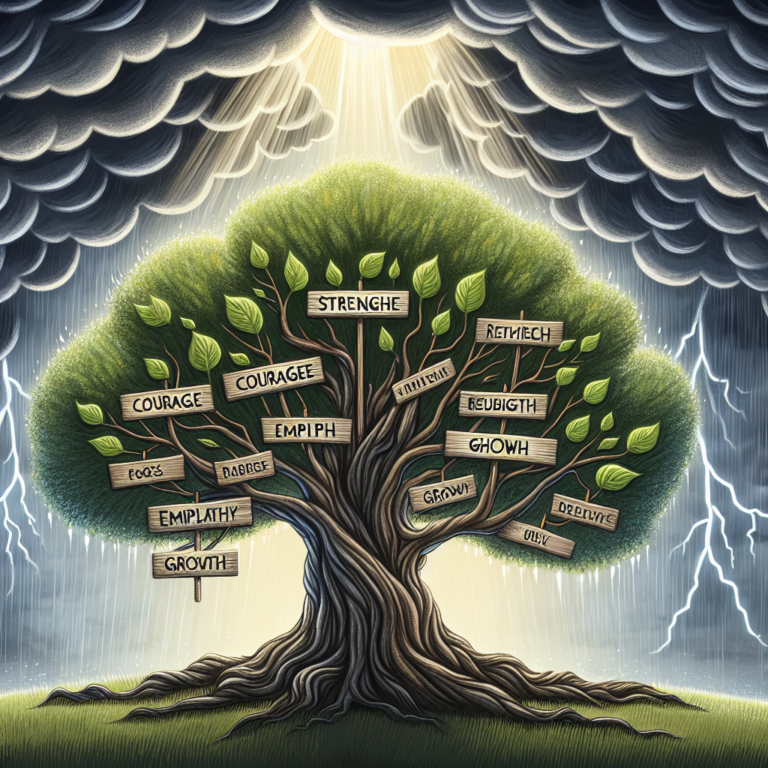
To combat the psychological toll of bullying, it is crucial to equip young minds with resilience-building strategies. This involves fostering a supportive environment where children feel safe and valued.
Open Communication: Encourage children to express their feelings. Open dialogue can demystify the bullying experience and help victims feel heard.
Social Skills Training: Teach children how to navigate social dynamics. This can include role-playing scenarios to prepare them for potential bullying situations.
- Mindfulness Techniques: Introduce mindfulness practices, such as meditation or breathing exercises, to help children manage stress and anxiety.
The Role of Parents and Educators
Creating Supportive Environments
Both parents and educators play a critical role in addressing bullying. Schools should implement anti-bullying policies and programs that educate students about compassion, empathy, and respect.
Case Study: The Anti-Bullying Initiative
One school district launched a comprehensive anti-bullying initiative that included workshops for students, educators, and parents. They reported a 30% decrease in bullying incidents within a year. This case showcases the effectiveness of community involvement and proactive measures in restoring a safe learning environment.
The Importance of Community Involvement
Encouraging Bystander Intervention
Bystander intervention can dramatically alter the trajectory of bullying incidents. Encouraging peers to stand up and support victims can deter bullies and foster a culture of compassion.
Engaging Local Communities
Communities can take impactful steps to address bullying through public awareness campaigns, workshops, and collaborative efforts with local mental health agencies. This community involvement can create a collective responsibility to protect young minds from the scars of bullying.
Conclusion
The journey to unravel the silent scars left by bullying is one of urgency and hope. By understanding the far-reaching psychological toll it takes on young minds, we can take meaningful steps to foster resilience, support victims, and promote awareness in our communities.
As we contemplate the deep-seated challenges and solutions shared in this article on "Silent Scars: Unraveling the Psychological Toll of Bullying on Young Minds," let us remember that silence is no longer an option. Together, we can create a safe, supportive landscape for every child, paving the way for brighter futures unmarred by the scars of bullying.
Now is the time to take action—whether you are a parent, educator, or friend—your involvement matters. Speak up, get involved, and together, let’s nurture resilience and compassion within our young minds.
FAQs
1. What should I do if I suspect my child is being bullied?
Start by having an open conversation with your child. Encourage them to share their feelings, and ensure they know you are there to support them. Consider seeking help from their school or a mental health professional.
2. What resources are available for bullying victims?
Many organizations provide support and resources for bullying victims, such as the National Bullying Prevention Center and StopBullying.gov. These organizations offer hotlines, educational materials, and guidance for both victims and parents.
3. How can schools effectively combat bullying?
Schools can combat bullying by implementing comprehensive anti-bullying policies, providing training for educators, and creating safe spaces where students can speak up without fear of retribution.
4. Is cyberbullying treated differently than traditional bullying?
Yes, cyberbullying often has different implications due to its pervasive nature and anonymity. Schools may need to address these behaviors differently, especially since they can happen outside of school hours.
5. Can the effects of bullying be healed?
Yes, with support, therapy, and a nurturing environment, many individuals can heal from the psychological effects of bullying. Early intervention and community support are vital to this recovery process.
By emphasizing the importance of understanding, empathy, and action, we can collectively unravel the silent scars left by bullying, fostering a healthier society for our youth.
About the Author


Dr. Jonathan Reed, Cognitive Psychology and Behavioral Therapy
Dr. Reed specialises in understanding the inner workings of the human mind, focusing on cognitive processes, memory, and decision-making. His articles delve into how cognitive-behavioral therapy (CBT) can help individuals reshape thought patterns and behaviours.