Tech-Savvy Education: Ultimate Tools and Apps That Make Learning Easier for Students with Disabilities
Introduction
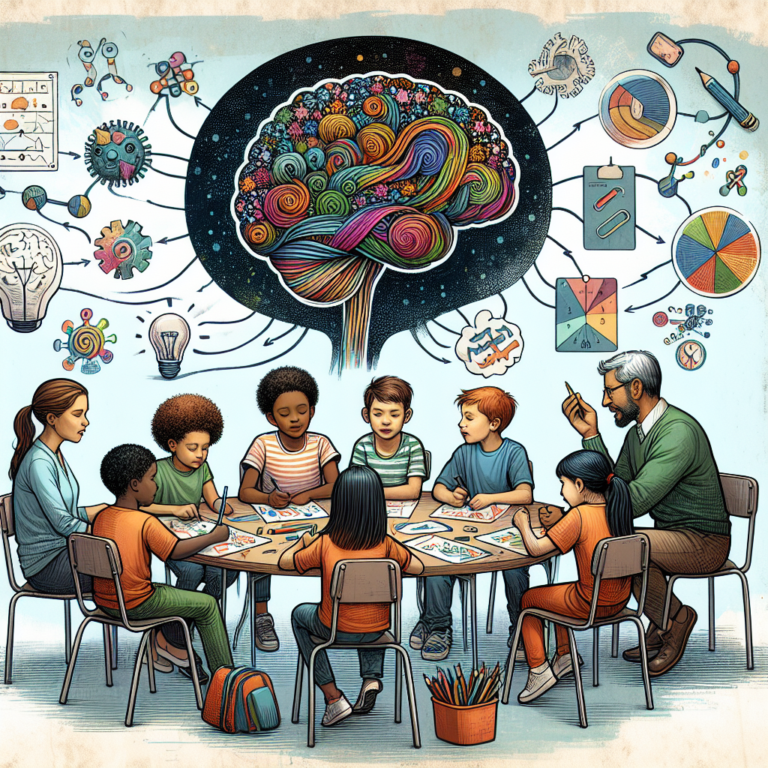
Imagine a classroom where students with disabilities thrive, fully participating and engaging in their education alongside their peers. In today’s digital age, technology is reshaping how we view education, opening doors to new opportunities and ensuring that learning is accessible for everyone. Tech-savvy education isn’t just a buzzword—it represents a paradigm shift that’s transforming traditional learning methods and empowering students with disabilities like never before.
With a plethora of applications and tools available, the educational landscape is becoming more inclusive. These resources are tailored to meet diverse learning needs, making it crucial for educators, parents, and students to stay informed about what’s available. This article explores the essential tech-savvy education tools and apps that make learning easier and more effective for students with disabilities.
Understanding the Role of Technology in Inclusive Education
The Evolution of Educational Technology
From chalkboards to computers, the classroom has evolved dramatically over the decades. The introduction of technology into educational settings has changed how knowledge is delivered and absorbed. Today, adaptive technologies and specialized applications cater to the unique requirements of students with disabilities, creating an inclusive learning atmosphere.
Table 1: A Brief History of Educational Technology
| Year | Technology | Impact on Education |
|---|---|---|
| 1960s | Audio and Video Tapes | Allowed diverse content delivery for auditory learners. |
| 1980s | Computers and Word Processors | Provided tools for writing and research, aiding many students. |
| 2000s | Interactive Whiteboards and Online Learning | Enhanced engagement and collaboration in classrooms. |
| 2020s | AI and Adaptive Learning Apps | Tailor resources to individual learning styles. |
Why Tech-Savvy Education Matters
For students with disabilities, tech-savvy education can be a game-changer. It makes learning more accessible, empowering students to take charge of their education. This empowerment fosters a sense of independence and confidence, crucial for their overall development.
Key Technological Tools for Students with Disabilities
1. Assistive Communication Tools
Communication is foundational to learning. For students with speech or language disorders, assistive communication tools can bridge the gap. Applications such as Proloquo2Go and TouchChat allow non-verbal students to express their thoughts and emotions effectively.
Case Study: Sarah’s Journey with Proloquo2Go
Sarah, a non-verbal student with autism, used Proloquo2Go to communicate in her classroom setting. After her teachers incorporated this app, they noticed a significant improvement in her ability to participate in class discussions. The app’s user-friendly interface allowed Sarah to engage with her peers more effectively.
Analysis: This case underscores the impact of specialized technology, highlighting how assistive communication tools can not only aid in education but also foster social interactions.
2. Learning Management Systems (LMS)
LMS platforms such as Google Classroom and Schoology allow for personalized learning experiences. These platforms can cater to diverse learning preferences and provide resources in various formats—text, audio, or video.
Table 2: Comparison of Popular LMS Platforms
| Platform | Features | Ideal For |
|---|---|---|
| Google Classroom | Integration with Google Apps, simple UI | Students with varying abilities |
| Schoology | Customizable content pathways | Project-based learning |
| Canvas | Integration of multimedia resources | Hybrid learning environments |
3. Educational Apps for Learning Disabilities
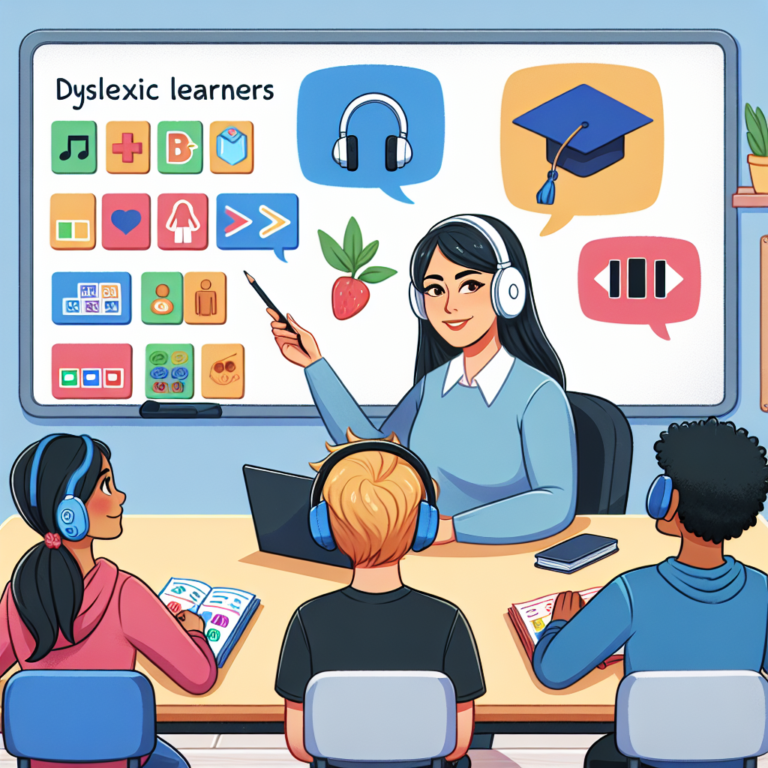
Numerous apps are designed to assist students with specific learning disabilities. Tools like Dyslexie Font and ModMath can significantly enhance learning experiences.
Case Study: Jake’s Success with ModMath
Jake, diagnosed with dysgraphia, struggled with written assignments until he started using ModMath. The app allowed him to do math on a tablet and submit assignments digitally, eliminating the challenges of handwriting.
Analysis: Jake’s experience illustrates how targeted educational apps can help remove barriers, enabling students to demonstrate their understanding without being hindered by their disabilities.
4. Interactive Learning Tools
Adaptive game-based learning platforms like Kahoot! and Quizlet foster engagement while reinforcing essential skills. These tools make learning fun and interactive, which can be particularly beneficial for students with attention issues.
5. Text-to-Speech and Speech-to-Text Tools
For students with visual impairments or reading difficulties, tools like Kurzweil 3000 and NaturalReader provide significant support. They enable students to access materials more efficiently, thus improving comprehension.
Enhancing Accessibility Through Technology
Adapting Digital Content
Creating accessible digital content is essential for inclusive education. Educators and content creators need to consider various accessibility features, such as alt text for images and transcripts for audio/video materials.
Encouraging Peer Collaboration
Technology encourages collaboration. Tools like Microsoft Teams and Zoom not only facilitate virtual learning but also create opportunities for peer-to-peer support, essential for building social skills.
The Future of Tech-Savvy Education
Technology continues to evolve, and its role in education will likely grow even more significant. Innovations in artificial intelligence and machine learning provide a unique opportunity for personalized learning experiences, further enhancing the effectiveness of tech-savvy education.
Anticipating Challenges
While technology offers numerous benefits, challenges remain. Issues like accessibility, the digital divide, and the learning curve associated with new tools can impact implementation. Addressing these challenges is vital for ensuring that every student has access to a supportive learning environment.
Conclusion
Tech-savvy education is not merely an enhancement; it is a necessity for creating inclusive classrooms where every student, regardless of ability, can succeed. The tools and apps highlighted in this article demonstrate the profound impact technology can have on leveling the educational playing field for students with disabilities.
As we continue to embrace the integration of technology in learning, the focus must remain on collaboration, accessibility, and the authentic inclusion of all students in educational settings. If we harness the power of these innovations, we are not just enhancing education; we are changing lives.
FAQs
1. What are the best apps for students with disabilities?
Apps like Proloquo2Go, ModMath, and Kurzweil 3000 are among the best for various learning needs. Each app offers unique features that cater to specific disabilities.
2. How can parents support their tech-savvy education at home?
Parents can explore and implement educational apps, promote digital literacy, and encourage their children to use technology to foster independent learning.
3. What role do teachers play in tech-savvy education?
Teachers are crucial in integrating technology into curricula, providing training, and creating a supportive learning environment that embraces diversity.
4. Are there costs associated with these tools and apps?
While many educational apps offer free versions, premium features may require subscriptions. It’s important to evaluate tools beforehand.
5. How do schools handle the digital divide?
Schools can address the digital divide through funding for technology, training for educators, and community partnerships to provide resources for underserved students.
Embracing tech-savvy education is not just beneficial—it’s essential for empowering students with disabilities to thrive and succeed.
About the Author