Teen Turmoil: The Essential Emotional Struggles of Bullying Victims
Introduction
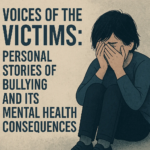
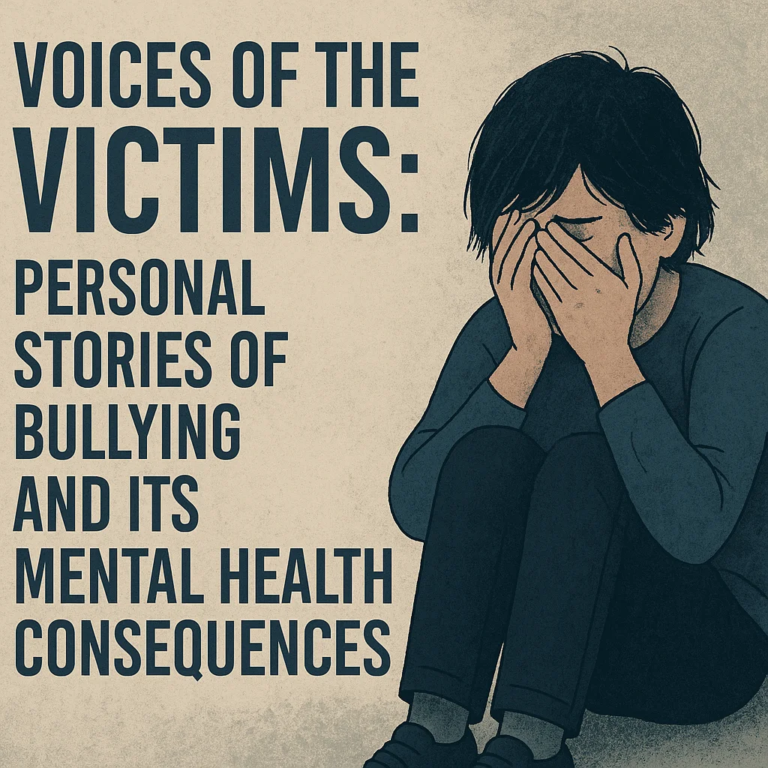
Every day, millions of teenagers are waking up to face one of the most challenging aspects of adolescence: bullying. This pervasive issue leaves invisible scars, leading to what can be described as "Teen Turmoil." The hidden emotional struggles of bullying victims can often go unnoticed, buried under the surface while a brave face is maintained outside. The importance of understanding these struggles cannot be overstated, as awareness can pave the way for healing and empowerment.
In this article, we’ll uncover the nuances of emotional turmoil that bullying victims endure, explore real-world case studies that illustrate these challenges, and provide actionable insights to help those in crisis. By focusing on the keyword "Teen Turmoil: The Hidden Emotional Struggles of Bullying Victims," we aim to shed light on a crucial issue that deserves our attention.
Understanding Bullying and Its Impact
What is Bullying?
Bullying refers to repeated aggressive behavior that involves an imbalance of power. It can take various forms, including physical, verbal, and cyberbullying. The National Center for Educational Statistics reports that about 20% of students aged 12-18 experienced bullying in the 2018 school year, highlighting just how prevalent this issue is.
Emotional Turmoil: A Deeper Look
The emotional fallout from bullying can manifest in various ways:
- Anxiety and Depression: Victims often experience feelings of hopelessness and sadness, leading to clinical anxiety or depression.
- Low Self-esteem: Continuous bullying can chip away at one’s self-worth, leading to long-term self-esteem issues.
- Social Withdrawal: Many victims retreat from social interactions, fearing further bullying, which can exacerbate feelings of loneliness.
Case Study 1: Sarah’s Story
Sarah was a sophomore whose life took a downturn after she became a victim of cyberbullying. Initially an outgoing student, Sarah experienced significant emotional turmoil. The bullying not only affected her social life but also her academic performance.
Analysis: This case illustrates how bullying can lead to a downward spiral in a teen’s life, affecting various facets, including mental health and academic success. Sarah’s experience is a reminder of how digital platforms can exacerbate bullying-related emotional struggles.
Signs of Emotional Turmoil
Understanding the signs of emotional struggles in bullying victims is critical for parents, teachers, and peers.
Behavioral Changes
- Sudden changes in behavior such as aggression or withdrawal.
- Changes in sleep patterns or appetite.
- Decreased interest in activities once enjoyed.
Academic Struggles
- Declining grades.
- Frequent absences from school.
- Lack of motivation and engagement.
Case Study 2: James’s Journey
James was bullied in high school for his weight. Over time, his declining self-esteem led to anxiety and a sudden drop in school performance. His story is a painful reminder that emotional struggles are often intertwined with academic outcomes.
Analysis: James’s case illustrates the impact of bullying on one’s academic aptitude. The connection between emotional well-being and academic performance is significant; when one suffers, so too does the other.
The Science Behind Emotional Struggles
The Mental Health Connection
Research indicates that bullying can lead to long-term mental health issues. According to the American Psychological Association, victims are at a higher risk for depression and anxiety disorders later in life.
The Role of Neurobiology
The stress of being bullied can result in changes to brain structures associated with emotional regulation, making victims more susceptible to mental health conditions.
The Ripple Effect of Bullying
Impact on Families
Bullying doesn’t just hurt the victim; it extends its effects to families. Parents often experience feelings of helplessness and can struggle to know how to support their children effectively.
Community Dynamics
Communities can feel the ripple effects of bullying, leading to an increase in mental health issues and strained relationships among teens and their peers.
Case Study 3: Emily’s Empowering Return
Emily was bullied throughout middle school. After seeking help and support from a mental health professional, she learned coping strategies that led her to become an advocate for bullying prevention.
Analysis: Emily’s narrative offers hope and highlights the importance of seeking help. Through therapy, she was able to navigate her emotional struggles and turn her experience into a powerful tool for change.
Strategies for Coping and Healing
Open Communication
Encouraging an open dialogue between victims and trusted adults can help mitigate feelings of isolation. Parents should foster a safe space for discussion.
Seeking Professional Help
Therapy, whether individual or group-based, can be invaluable. Mental health professionals can provide coping mechanisms tailored to external and internal struggles.
Empowerment through Advocacy
Victims can find strength in advocacy. Getting involved in anti-bullying programs can help reclaim a sense of agency and purpose.
Case Study 4: The Transformation of Alex
Alex suffered severe bullying for being part of the LGBTQ+ community. Through support groups and advocacy, he found a community that understood him. Today, he leads workshops in schools to educate others on the effects of bullying.
Analysis: Alex’s story underscores the potential for transformation through advocacy. It highlights the power of community and support systems in overcoming emotional turmoil.
Conclusion
Teen turmoil stemming from bullying is an often-overlooked aspect of mental health, yet it’s critical to address the hidden emotional struggles of bullying victims. By gaining a deeper understanding of the signs, impact, and coping strategies, we can create a safer, more supportive environment for today’s youth.
Empowerment through knowledge and support can help many find their voice and reclaim their narratives. Remember, no one should have to face bullying alone, and it’s never too late to seek help.
FAQs
1. What should I do if I suspect my child is being bullied?
Open a dialogue and encourage your child to share their feelings. Consult school counselors or mental health professionals if necessary.
2. How can I support a friend who is being bullied?
Be a listening ear and encourage them to talk. Help them seek professional support if needed, and stand up to bullying when you see it.
3. Are there legal actions possible for bullying?
Yes, depending on the severity and nature of the bullying, legal actions may be taken against perpetrators or schools not addressing the issue.
4. Is cyberbullying different from traditional bullying?
Yes, cyberbullying can happen anonymously and around the clock, making it persistent and harder to escape than traditional bullying.
5. How can schools better address bullying?
By implementing comprehensive anti-bullying programs, training staff to recognize signs, and fostering an inclusive environment that encourages open communication among students.
Understanding "Teen Turmoil: The Hidden Emotional Struggles of Bullying Victims" is about more than awareness; it’s about action. Together, we can combat bullying and support those affected, facilitating paths toward recovery and empowerment.
About the Author