Introduction
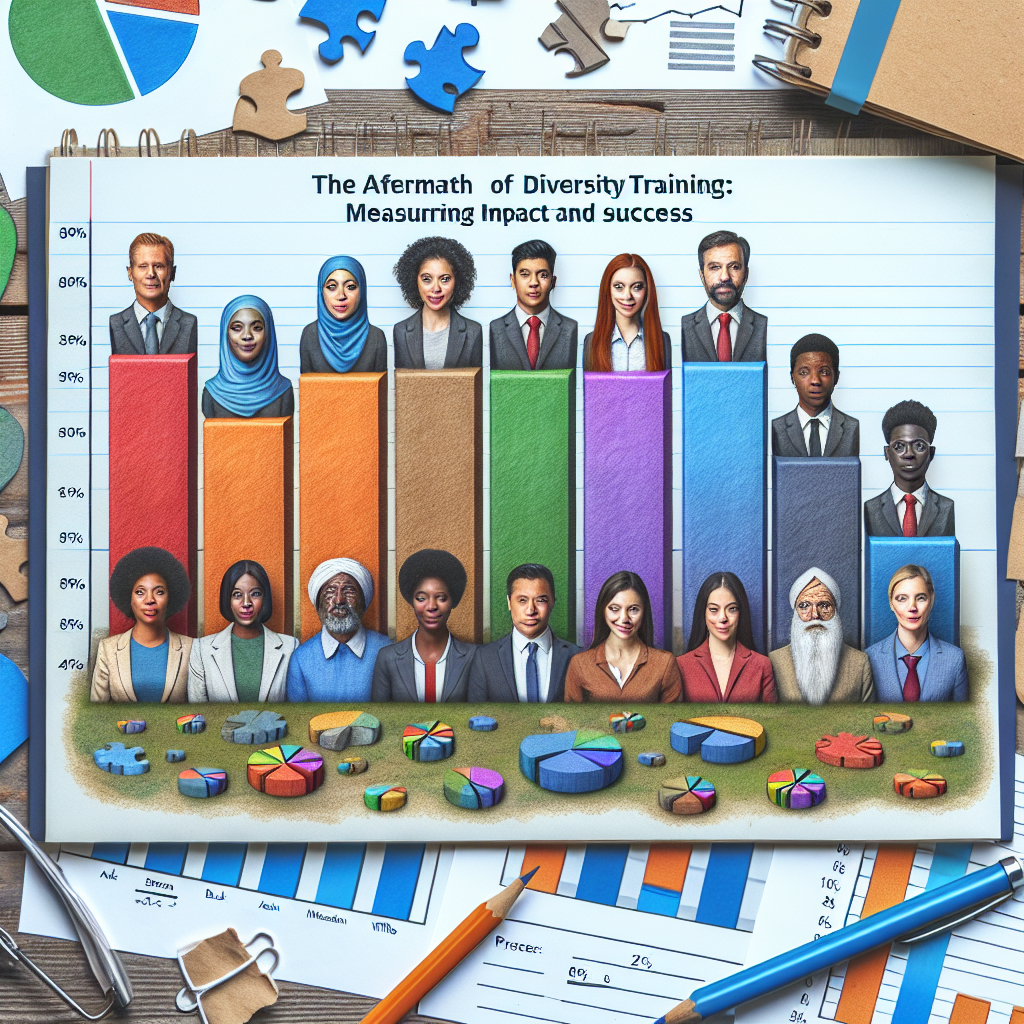
In today’s increasingly diverse workplace, diversity training has become not just an optional seminar but an essential component of corporate responsibility and culture.However, the real question that looms in the boardroom is: What happens after the training? The aftermath of diversity training is often fraught with uncertainty. Organizations invest significant time and resources into these initiatives, yet measuring the impact and success of such programs remains complex. The aftermath of diversity training: measuring impact and success is a nuanced subject that holds immense importance for businesses striving to foster inclusive environments.
In this ultimate guide, we delve deep into the often-overlooked aftermath of diversity training, examining its measurable impacts and the indicators of success that emerge in the weeks, months, and years following these initiatives.
The Need for Diversity Training
Before we dissect the aftermath, it’s crucial to understand why organizations are turning to diversity training in the first place. With shifting demographics and an emphasis on social justice, businesses are acknowledging that diversity is not merely a checkbox for compliance but an intrinsic driver for innovation and growth. For instance, companies with diverse teams report 19% higher revenue due to innovation.
The Business Case for Diversity Training
- Employee Satisfaction: Organizations fostering inclusivity often see enhancements in employee morale and job satisfaction.
- Attracting Talent: A diverse and inclusive workplace is attractive to a wider array of talent.
- Better Decision-Making: Diverse teams bring various perspectives, leading to improved problem-solving and more innovative solutions.
Key Statistics
To better understand the context of diversity training, consider the following statistics:
| Statistic | Percentage |
|---|---|
| Employees who feel included in Company Culture | 83% |
| High-performing workplaces with diversity | 35% |
| Diverse teams outperform non-diverse teams | 19% |
The Aftermath of Diversity Training: What to Expect
So, what truly happens after diversity training? The aftermath of diversity training: measuring impact and success can manifest in several ways:
Cultural Shift: Organizations may witness a gradual shift in culture, but this doesn’t happen overnight. The training should catalyze ongoing dialogue.
Behavioral Change: Attitude changes among employees often reflect in improved collaboration and cooperation.
Retention Rates: A more inclusive workplace tends to yield better retention rates, particularly among underrepresented groups.
- Performance Metrics: Many organizations leverage KPIs to monitor performance before and after diversity training sessions.
Case Study: A Fortune 500 Company
Consider a Fortune 500 company that implemented a year-long diversity training program. Within six months, employee engagement scores rose by 25%. In one department, the turnover rate for employees from underrepresented groups decreased from 30% to 15%. These statistics demonstrate the substantial impact that sustained diversity training can have on culture and retention.
Measuring Impact: Key Metrics
To effectively evaluate the aftermath of diversity training, organizations must engage in robust data collection and analysis.
Employee Surveys
Post-training surveys can gauge employee sentiment regarding diversity and inclusion. Questions might include:
- Do you feel respected and valued at work?
- How comfortable are you discussing diversity-related issues with your colleagues?
Diversity Metrics
Analyzing diversity metrics before and after training can provide concrete data. Key performance indicators might include:
- Demographic Composition: Has there been a shift in employee diversity representation?
- Promotion Rates: Are promotions distributed equitably among diverse groups?
Performance Reviews
Integrating diversity-related objectives into performance reviews can highlight commitment to ongoing diversity initiatives and identify areas for improvement.
Case Study: Non-Profit Organization
A leading non-profit organization reported a 40% increase in employee engagement following a comprehensive diversity training initiative. They outlined metrics including productivity levels and diversity in hiring practices for further data analysis.
The Challenges of Measurement
Despite these available metrics, measuring the aftermath of diversity training: measuring impact and success presents several challenges. Here are some common issues organizations face:
Short-Term vs. Long-Term Impact: Many companies focus solely on immediate feedback rather than long-term evaluation, which can lead to misleading conclusions.
Cultural Resistance: Some employees may resist changes brought about by training, making it harder to discern the true impact.
- Inconsistent Implementation: If training differs dramatically by department, comparing outcomes becomes difficult.
Tools for Measuring Success
To address the challenges highlighted, organizations can leverage various tools and approaches:
Analytics Software
Diversity analytics tools can streamline data collection and reporting, allowing for a more profound analysis of trends.
Focus Groups
Conducting focus groups post-training helps gather qualitative insights on employee experiences and perceptions.
Benchmarking
Establish performance benchmarks based on industry standards and best practices, comparing results pre-and post-training.
The Emotional Aspect of Diversity Training
One often overlooked aspect of measuring the aftermath of diversity training is the emotional response from employees. Engagement in these programs can stir deep reflections, which might impact workplace relations.
The Importance of Follow-Up
Regular follow-ups post-training can prevent the enthusiasm generated from training from dissipating. It creates a platform for continued discussions, emphasizing that diversity is an ongoing commitment.
Case Study: Educational Institution
After a university implemented a series of workshops for staff, they conducted follow-up sessions two months later. Feedback indicated improved collaboration among departments, and departments actively engaged in cross-cultural events showcased significant improvement in interpersonal relationships.
Realizing Success: Best Practices
To genuinely measure the aftermath of diversity training: measuring impact and success, organizations can adopt several best practices:
Adopt a Continuous Learning Approach
Diversity isn’t a one-time fix; it’s an ongoing journey. Offer regular training sessions that reinforce the initial training and adapt based on feedback and data.
Celebrate Successes
Acknowledge and celebrate milestones achieved due to diversity initiatives, reinforcing positive behavior.
Senior Leadership Involvement
When leaders actively participate in and support diversity initiatives, it sets a precedent for the entire organization.
Foster an Open Dialogue
Encourage employees to share thoughts and experiences regarding diversity frameworks. Leaving room for discussion can improve morale and trust.
Integrate into Company Values
Make diversity and inclusion a core part of your organization’s values. This commitment signals seriousness to your employees and stakeholders.
Conclusion
The aftermath of diversity training: measuring impact and success is a critical journey for any organization committed to fostering an inclusive workplace. By recognizing and analyzing the outcomes, organizations will not only be able to measure their success but also improve the effectiveness of future training initiatives.
In this ever-evolving environment, the lessons learned from diversity training should be implemented as a blueprint for ongoing improvement and growth.
Call to Action
As you reflect on the insights offered in this guide, remember that diversity training is merely the beginning. The real work happens in the aftermath. Commit to fostering an environment where diversity is celebrated, and see how it transforms your workplace culture.
FAQs Section
1. What is diversity training?
Diversity training refers to programs designed to raise awareness and sensitivity to issues of diversity, including race, gender, age, and sexual orientation, among workforce members.
2. How long should diversity training last?
The length of diversity training programs varies but it’s typically beneficial to have multiple sessions over a few months to ensure sustained learning and discussion.
3. What are the signs of successful diversity training?
Successful diversity training often leads to increased employee engagement, lower turnover rates, and improved collaboration across diverse teams.
4. How can I measure the ROI of diversity training?
ROI can be gauged through improved employee satisfaction scores, reduced attrition, and measurable improvements in team performance or sales post-training.
5. Is it normal for some employees to resist diversity training?
Yes, resistance can occur due to fear, misunderstanding, or cultural biases. It’s crucial to address these concerns through ongoing discussions and support.
Implementing effective diversity training is an essential investment in your organization’s future. By understanding the aftermath of diversity training: measuring impact and success, leaders can cultivate a more equitable workplace that benefits everyone.
About the Author