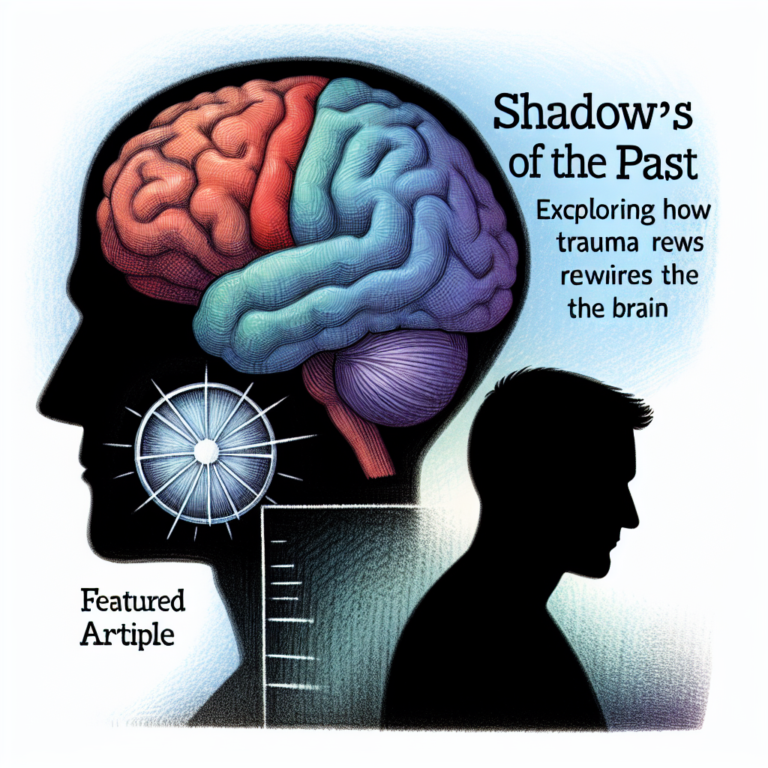
The Brain’s Battle: Understanding Neuroplasticity in the Face of Substance Abuse
Introduction
In an era where mental health and substance abuse have become crucial discussions, understanding the intricacies of the brain’s adaptability offers a beacon of hope. The Brain’s Battle: Understanding Neuroplasticity in the Face of Substance Abuse invites you on a journey to explore how our brains can rewire themselves in response to addiction and recovery, showcasing the potential for change and healing. This topic is not just academic; it holds the promise of transforming lives, providing insight into mechanisms that can lead to recovery and resilience.
As we delve into this fascinating subject, we’ll discover the remarkable ways neuroplasticity allows our brains to recover from the grip of addiction, offering a wellspring of hope for those caught in its web. Through case studies, expert opinions, and practical strategies, you’ll leave with a deeper understanding of how we can leverage neuroplasticity for profound healing.
Understanding Neuroplasticity
What Is Neuroplasticity?
Neuroplasticity refers to the brain’s ability to reorganize itself by forming new neural connections throughout life. This phenomenon is essential for learning, memory, and recovery from injury. In the context of substance abuse, neuroplasticity becomes crucial as it allows individuals to adapt and potentially recover from the damaging effects of addiction.
The Process of Neuroplasticity
Neuroplasticity can occur in two forms:
- Structural plasticity: This involves physical changes in the brain’s structure, such as the formation of new synapses or the strengthening of existing ones.
- Functional plasticity: This allows the brain to shift functions from damaged areas to undamaged areas.
The dynamic nature of neuroplasticity is both a challenge and an opportunity for those facing addiction. As we progress through this article, we will see how understanding and harnessing these processes can lead to recovery.
The Brain’s Battle Against Substance Abuse
Substance use alters brain chemistry, affecting neurotransmitters like dopamine, which play a critical role in reward and pleasure. Over time, these substances can lead to changes in neural pathways, making it increasingly difficult for individuals to quit.
Here’s where the battle truly begins. Understanding how neuroplasticity can help rewire these altered pathways becomes essential for developing effective treatment and recovery strategies.
Case Studies Illustrating Neuroplasticity in Action
Case Study 1: The Role of Mindfulness Meditation
A fascinating study published in the journal NeuroImage explored the effects of mindfulness meditation on individuals recovering from substance abuse. Researchers found that participants who engaged in regular mindfulness practices displayed significant changes in brain structure, particularly in areas related to self-regulation and decision-making.
Analysis of Case Study 1
This case illustrates the power of mindfulness as a tool for harnessing neuroplasticity. By changing thought patterns and fostering self-control, mindfulness meditation can help rewire the brain, offering a viable path for those battling addiction.
Case Study 2: Cognitive Behavioral Therapy (CBT)
Cognitive Behavioral Therapy has long been used to treat various mental health disorders, including substance use disorders. A notable study revealed that patients undergoing CBT not only reported reduced cravings but also demonstrated changes in brain function related to impulse control and decision-making.
Analysis of Case Study 2
CBT works by challenging negative thought patterns and encouraging positive behavioral changes. This helps the brain create new connections, further reinforcing the idea that recovery is possible through intentional change.
| Aspect | Traditional Treatment | CBT-Based Treatment |
|---|---|---|
| Focus | Symptom management | Cognitive restructuring |
| Duration | Varies | 12-20 sessions |
| Neuroplastic Changes | Minimal | Significant |
Case Study 3: Exercise and Neuroplasticity
Regular exercise has been shown to induce neuroplastic changes in the brain. A study conducted by the University of Vermont found that individuals who participated in a structured exercise program demonstrated improved mood and cognitive function, along with increased levels of brain-derived neurotrophic factor (BDNF), a crucial protein for neuroplasticity.
Analysis of Case Study 3
Exercise not only promotes physical health but also supports brain health. For those in recovery, incorporating exercise into their daily routine can be a game-changer, reinforcing positive neurological adaptations.
Strategies to Harness Neuroplasticity in Recovery
1. Engaging in Physical Activity
Building a regular exercise routine can enhance neuroplasticity. Activities like running, yoga, and even dance stimulate brain function and promote the growth of new neurons.
2. Mindfulness and Meditation
Adopting mindfulness practices can foster emotional regulation and resilience. Techniques such as deep breathing and guided imagery can facilitate restructuring of negative thought patterns.
3. Cognitive Behavioral Approaches
Incorporating CBT techniques can help individuals identify and modify detrimental thoughts and behaviors. Keeping a journal can be an invaluable tool during this process.
4. Social Support
Building a support system can make a significant difference in recovery. Engaging in group therapy or community services provides motivation and reinforcement.
5. Continuous Learning
Challenging the brain through new learning experiences, such as picking up a new skill or hobby, can encourage neuroplasticity. Lifelong learning enhances cognitive flexibility and adaptability.
The Science Behind Neuroplasticity and Addiction
Neuroplasticity isn’t merely a theory; it’s a scientifically validated process. Various brain imaging studies have documented the brain’s ability to change following intervention strategies aimed at substance abuse recovery.
Dopaminergic Pathways and Neuroplasticity
Addiction affects dopamine pathways, reshaping how individuals experience pleasure. Recovery, however, can re-establish normal dopamine function through various therapeutic interventions.
Inflammation and Neurodegeneration
Substance abuse can lead to neuroinflammation, which may impair neuroplasticity. Reducing inflammation through diet and lifestyle changes can create a more favorable environment for recovery.
Neurogenesis and Resilience
Research indicates that recovery from substance abuse may boost neurogenesis—the formation of new neurons. This underscores the possibility of rehabilitation, emphasizing that the brain can start afresh.
Conclusion
The Brain’s Battle: Understanding Neuroplasticity in the Face of Substance Abuse serves as a crucial reminder of the resilience and adaptability of the human brain. Through mindfulness, behavioral therapy, exercise, and social connections, individuals can leverage neuroplasticity to pave their path toward recovery.
The journey is not easy, but it is profoundly achievable. As we embrace the power of neuroplasticity, let us remember: change is always possible, and hope is never lost.
FAQs
1. What is neuroplasticity in the context of addiction?
Neuroplasticity in addiction refers to the brain’s ability to reorganize itself and form new connections in response to substance use and recovery, allowing for personal growth and change.
2. How can mindfulness meditation help in recovery?
Mindfulness meditation can help increase self-awareness, regulate emotions, and promote decision-making, essential skills for overcoming addiction.
3. What role does exercise play in neuroplasticity?
Exercise stimulates the production of neurotrophic factors, enhances brain health, and can significantly contribute to brain rewiring efforts, aiding in recovery from addiction.
4. How effective is Cognitive Behavioral Therapy (CBT)?
CBT is highly effective in treating substance use disorders, as it provides tools to restructure negative thought patterns and enhance coping mechanisms.
5. Is recovery possible after long-term substance abuse?
Yes, recovery is possible. With the right interventions and support, many individuals can rewire their brains and achieve lasting sobriety.
This metaphorical battle that our brain fights against substance abuse shines a light on the incredible capacity for change. By understanding and harnessing neuroplasticity, we can not only understand the brain’s battle but also empower ourselves or our loved ones in the fight against addiction.
About the Author