Introduction
In the complex tapestry of life, our greatest victories often intertwine with our fiercest battles. Have you ever felt the jarring weight of anxiety before a crucial meeting or a big presentation? Perhaps you found yourself distracted by inconsequential matters, seemingly sabotaging your own chances of success. If so, you might be grappling with self-handicapping. The Cost of Self-Handicapping: How It Affects Your Career and Relationships resonates deeply in today’s competitive world. This article delves into this pervasive psychological phenomenon, shedding light on its implications and offering insights to help you reclaim your potential.
Understanding Self-Handicapping
Self-handicapping is a psychological strategy where individuals create obstacles to their own success. This often occurs subconsciously as a preemptive defense mechanism against failure. Instead of facing the chance of failure directly, they make excuses or engage in behaviors that hinder their performance.
The Psychology Behind It
At its core, self-handicapping is rooted in our fear of failure and the desire to protect our self-esteem. According to research published in Psychological Bulletin, some people perceive that by creating an external reason for their poor performance, they can save face and maintain their self-image. This creates a vicious cycle where the offsetting behavior becomes an excuse in the future.
Why It Matters
The Cost of Self-Handicapping: How It Affects Your Career and Relationships is profound. It doesn’t just limit potential; it seeps into personal relationships, affecting trust and intimacy. Understanding this phenomenon is imperative for anyone looking to succeed professionally and cultivate meaningful connections in their lives.
The Impacts on Career
1. Stunted Professional Growth
Self-handicapping can significantly hinder career progression. When individuals consciously or subconsciously opt for less demanding tasks, they miss out on important learning experiences crucial for advancement.
Case Study: The Office Overachiever
Consider Sarah, a high-performing employee who consistently opts for easy projects. Her colleagues view her as reliable, but she misses opportunities to showcase her leadership skills. Over time, Sarah’s self-handicapping behaviors lead her to miss promotions, while her peers ascend the corporate ladder.
Analysis: This case illustrates how fear-driven decisions can have long-term repercussions. Sarah’s reluctance to take risks stops her from developing invaluable skills that could lead to her career advancement.
2. Impaired Decision-Making
Self-handicapping causes a paralyzing indecisiveness rooted in fear. When faced with significant decisions, the fear of failure can trigger procrastination or avoidance, resulting in poor choices.
Case Study: The Hesitant Manager
John is a manager in a tech company who faces the challenge of launching a new product. Instead of taking charge, he relies heavily on his team’s feedback and ends up delaying the launch due to the overwhelming input. The product eventually loses its market relevance.
Analysis: John’s indecision, stemming from self-handicapping, illustrates how fear can thwart future success. Opportunities missed due to hesitation can shape the long-term trajectory of one’s career.
3. Relationship Strain with Colleagues
Workplaces thrive on collaboration, and self-handicapping can erode trust and cohesion among team members. When one person repeatedly opts out of challenges, it fosters resentment among colleagues.
Case Study: The Unreliable Partner
Emma works in a creative firm. Her reluctance to take on challenging roles puts her team under additional stress, leading to friction. Over time, her colleagues feel they cannot rely on her, affecting the overall team dynamic.
Analysis: Emma’s behavior demonstrates how self-handicapping can have detrimental effects on workplace relationships. This disconnect not only limits her growth but also impacts her team’s productivity.
The Impacts on Relationships
4. Eroding Personal Relationships
Self-handicapping extends beyond career realms and can infiltrate personal relationships. Creating excuses for not participating in social events or avoiding responsibility can lead to misunderstandings and resentment.
Case Study: The Avoidant Partner
Tom frequently cancels plans with his partner under the guise of work overload. Initially, his partner understands, but over time, feelings of neglect surface, and trust erodes.
Analysis: Tom’s pattern showcases how self-handicapping can damage relationships. The failure to engage physically and emotionally fosters distance, leaving lasting scars.
5. Lack of Vulnerability
People who self-handicap often struggle to show vulnerability. Fear of failure keeps them from seeking help or expressing genuine emotions, which are crucial for deep relationships.
Case Study: The Guarded Friend
Lily has a close-knit group of friends but always maintains an air of invulnerability. By batting away compliments or showing disinterest in deep discussions, she risks alienating herself from those who wish to connect.
Analysis: Lily’s reluctance to display vulnerability further highlights the emotional cost of self-handicapping. Authentic connections hinge on openness, and her avoidance complicates genuine intimacy with others.
Visualizing the Costs
You may wonder how widespread self-handicapping is in professional and personal contexts. The following table showcases some critical statistics shedding light on the scope and impact of self-handicapping behaviors.
| Aspect | Statistic |
|---|---|
| Career Impact | 65% of professionals self-handicap |
| Relationship Strain | 57% report relationship issues due to self-sabotage |
| Performance Anxiety | 70% experience performance anxiety linked to self-handicapping |
Strategies to Overcome Self-Handicapping
1. Recognize Triggers
Awareness is the first step toward change. Identify situations that lead to self-handicapping behavior. Are certain environments or tasks more triggering for you?
2. Set Incremental Goals
Break down larger tasks into manageable parts. This approach minimizes overwhelming feelings and encourages a focus on achievable victories.
3. Find Accountability Partners
Enlist trusted friends or colleagues who can support you in challenging endeavors. Their encouragement can bolster your confidence and fortify your resolve.
4. Cultivate a Growth Mindset
Shift your perspective on failure. Embrace mistakes as learning opportunities rather than setbacks. Remember, even the most successful people have encountered failures.
5. Practice Self-Compassion
Be kind to yourself. Self-handicapping often stems from harsh self-judgment. Allow yourself the grace to learn and grow.
Conclusion
The Cost of Self-Handicapping: How It Affects Your Career and Relationships is a multifaceted issue that warrants immediate attention. By understanding its implications, you can take proactive steps to reshape your approach to challenges. Embrace vulnerability, confront fears, and cultivate authentic connections in both your career and personal life. Remember, each step you take away from self-handicapping is a giant leap toward personal growth and fulfillment.
FAQs
1. What is self-handicapping?
Self-handicapping is a psychological behavior where individuals create obstacles to their own success to manage their self-esteem and protect themselves from potential failure.
2. How can I tell if I am self-handicapping?
Common signs include procrastination, making excuses, excessive avoidance of challenges, and declining opportunities that could lead to growth.
3. What are the long-term effects of self-handicapping?
The long-term effects include stunted career growth, strained relationships, diminished self-esteem, and a limited capacity for emotional vulnerability.
4. Can self-handicapping be changed?
Yes, with awareness and dedicated effort, individuals can change self-handicapping behaviors through strategies like goal-setting, accountability, and adopting a growth mindset.
5. Is self-handicapping common?
Yes, research indicates that a significant portion of individuals, around 65%, report experiencing self-handicapping behaviors in various aspects of life.
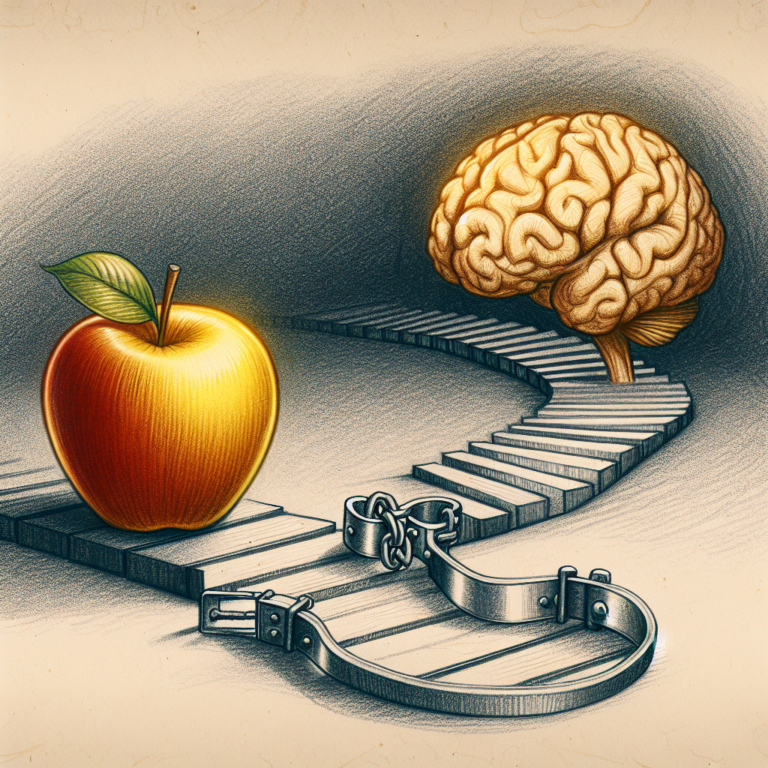
By understanding The Cost of Self-Handicapping: How It Affects Your Career and Relationships, you equip yourself with insights that can transform your journey. Break free from the shackles of self-handicapping and step into a space of empowerment and connection.
About the Author