Introduction
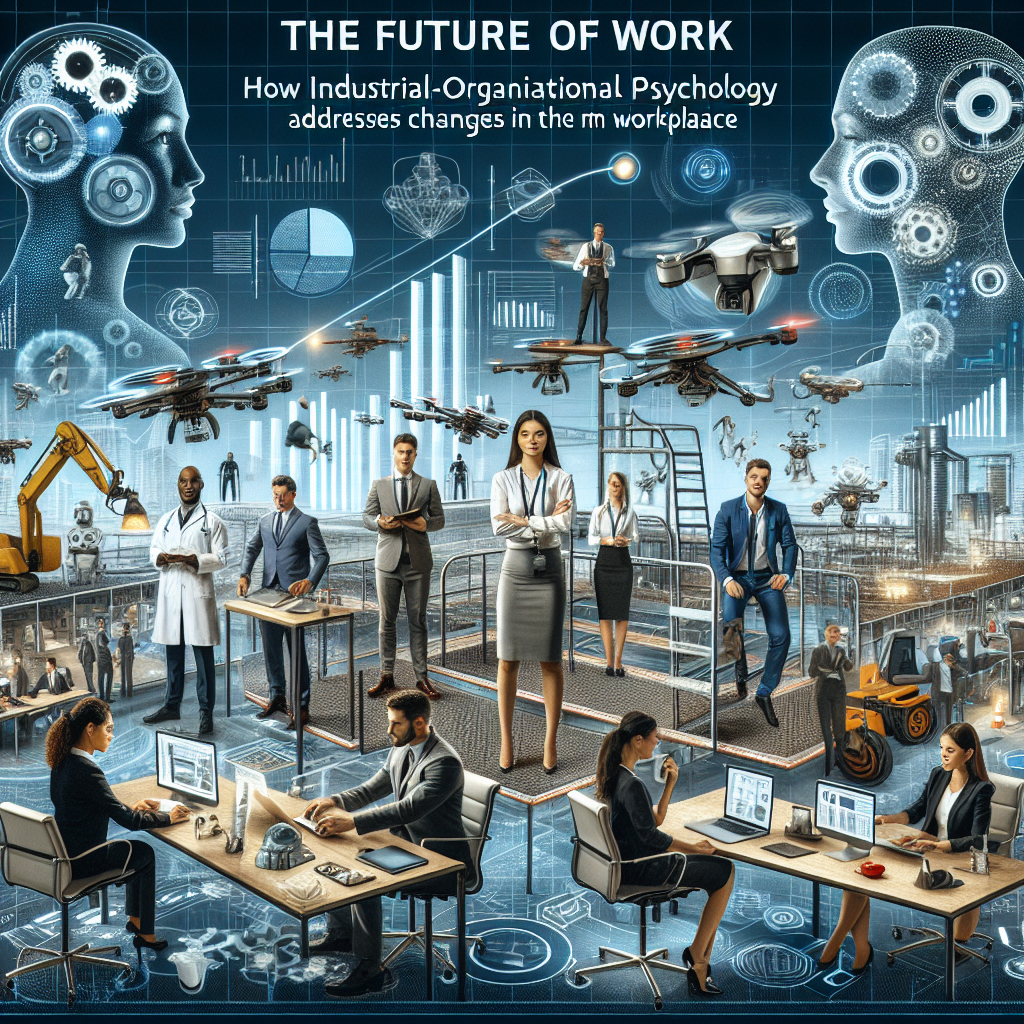
The modern workplace is undergoing revolutionary changes driven by technological advancements and shifting cultural dynamics. From remote work to AI automation, the landscape of employment is evolving, compelling organizations to rethink their strategies for success. In this transformative era, Industrial-Organizational (I-O) Psychology emerges as a vital discipline poised to mitigate challenges and harness opportunities. This article delves into The Future of Work: How Industrial-Organizational Psychology Addresses Changes in the Modern Workplace, exploring invaluable insights that can guide organizations and employees alike through this complex transition.
The Science Behind Industrial-Organizational Psychology
Understanding I-O Psychology
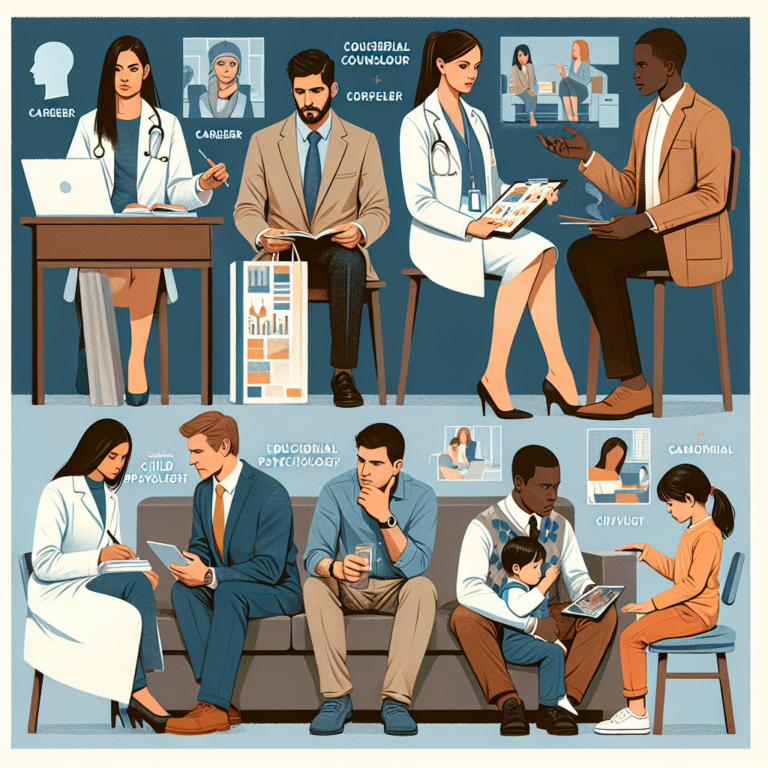
Before diving into its applications, it’s essential to grasp what Industrial-Organizational Psychology entails. This specialized branch of psychology focuses on the behavior of individuals in professional settings, applying psychological principles to improve workplace efficiency, productivity, and employee satisfaction.
The Core Principles of I-O Psychology
The core principles of I-O psychology play a pivotal role in shaping the future of work. They include:
- Employee Selection: Developing methods to identify the best candidates.
- Training and Development: Creating programs that enhance skills and competencies.
- Performance Assessment: Analyzing employee performance and its impact on organizational success.
- Employee Well-Being: Fostering a positive workplace culture that promotes mental health.
These principles offer a framework for addressing the various shifts occurring in today’s workplace, creating a foundation for resilience and adaptability.
The Changing Landscape of Work
Remote Work: A New Norm
The rise of remote work, accelerated by global events such as the COVID-19 pandemic, has fundamentally reshaped how organizations structure themselves. I-O psychologists are at the forefront of helping organizations navigate this shift effectively.
Case Study: GitLab
GitLab, a fully remote company, showcases how I-O psychology principles can facilitate a seamless transition to remote work. By implementing regular check-ins and using data-driven performance assessments, they ensure employee engagement and productivity remain high, illustrating The Future of Work: How Industrial-Organizational Psychology Addresses Changes in the Modern Workplace.
Work-Life Balance and Employee Well-Being
With many employees now working from home, the boundaries between personal and professional life have blurred. This necessitates a focus on employee well-being. I-O psychologists can guide organizations in developing policies that promote a healthy work-life balance, enhancing overall job satisfaction.
The Role of Technology
As technology continues to evolve, its integration into the workplace presents both opportunities and challenges. Automation and artificial intelligence are reshaping job roles, requiring new skills. I-O psychologists can aid in identifying necessary training and development to prepare the workforce for these changes.
Essential Strategies for Organizations
Implementing Evidence-Based Practices
I-O psychology employs evidence-based practices to enhance organizational effectiveness. This involves using rigorous research and data to inform decision-making.
Chart: Evidence-Based Practices in I-O Psychology
| Practice | Benefit |
|---|---|
| Selection Tools | Improved candidate matching |
| Training Programs | Enhanced employee skills and performance |
| Performance Metrics | Better alignment of individual and organizational goals |
Promoting Diversity and Inclusion
In the evolving workplace, promoting diversity and inclusion is more crucial than ever. I-O psychologists can help organizations develop programs that celebrate diversity, ensuring a variety of perspectives that fuel innovation.
Case Study: Google
Google’s commitment to diversity has led to the implementation of initiatives that promote an inclusive culture, demonstrating how The Future of Work: How Industrial-Organizational Psychology Addresses Changes in the Modern Workplace can be realized through active engagement in diversity efforts.
Adapting Organizational Culture
As work environments change, so must the organizational culture. I-O psychologists contribute to cultivating a culture that embraces change, ensuring employees are not just surviving but thriving in new conditions.
The Importance of Leadership Development
Transformational Leadership
Effective leadership is essential in navigating the changes of the modern workplace. I-O psychology emphasizes the development of transformational leaders who can inspire and motivate teams through uncertainty.
Training Future Leaders
Programs focused on developing core leadership competencies are crucial for organizations aiming to remain agile. Such initiatives can help cultivate an environment where employees feel valued and empowered.
Measuring Success: Key Performance Indicators
The Role of Metrics
To assess the effectiveness of I-O psychology interventions, organizations must establish key performance indicators (KPIs). Metrics related to employee engagement, productivity, and satisfaction can indicate the impact of these strategies.
Table: Sample KPIs
| KPI | Importance |
|---|---|
| Employee Engagement | Indicates overall job satisfaction |
| Turnover Rates | Reflects employee retention efforts |
| Training ROI | Measures the effectiveness of training |
Continuous Feedback Loops
Establishing continuous feedback mechanisms fosters an environment of open communication, allowing organizations to adjust their approach based on real-time data.
The Future Workforce: Skills for Tomorrow
Adapting to New Skills
As the nature of work evolves, so too do the skills required. I-O psychologists can assist in identifying essential skills needed for the future and implementing training programs to facilitate skill development.
Important Skills for the Future
- Digital Literacy: Proficiency in digital tools and platforms.
- Emotional Intelligence: The ability to understand and manage emotions.
- Agility: The capacity to adapt quickly to new situations.
Conclusion
The Future of Work: How Industrial-Organizational Psychology Addresses Changes in the Modern Workplace offers a roadmap for organizations striving to thrive amidst rapid change. By embracing I-O psychology principles, companies can foster a culture that not only adapts to new challenges but also leverages them for growth. The future is bright for organizations willing to invest in their most valuable asset: their people.
In a rapidly changing work environment, organizations can take actionable steps to incorporate I-O psychology principles into their strategies. Remember, a successful future relies on the well-being and development of all team members, ensuring a resilient and dynamic workforce.
FAQs
1. What is Industrial-Organizational Psychology?
Industrial-Organizational Psychology focuses on the behavioral dynamics of individuals in the workplace, utilizing principles from psychology to enhance organizational performance and employee satisfaction.
2. How can I-O psychology improve employee retention?
By implementing evidence-based practices that focus on employee engagement, well-being, and career development, organizations can significantly reduce turnover rates.
3. What role does technology play in modern workplaces?
Technology facilitates remote work, automation, and digital communication, necessitating the development of new skills and adapting organizational culture accordingly.
4. How can organizations promote diversity and inclusion?
Organizations can implement programs that celebrate diversity, provide training on unconscious bias, and ensure diverse representation at all organizational levels.
5. What are some essential skills for the future workforce?
Vital skills include digital literacy, emotional intelligence, and the ability to adapt quickly to changing environments, all of which are essential for success in a transforming workplace.
This comprehensive article outlines the complex and exciting interplay between Industrial-Organizational Psychology and the evolving landscape of work. By focusing on actionable insights and real-world examples, it serves as a valuable resource for organizations looking to prosper in the future of work.
About the Author