The Healing Power of Art: Techniques and Benefits of Art Therapy
Introduction
Art has long been a medium of expression, transcending boundaries to speak to the human experience. Yet, beyond its aesthetic value, art possesses a profound ability to heal. The healing power of art, particularly through art therapy, serves as a testament to how creative expression can mend emotional wounds, foster mental resilience, and enhance overall well-being. This article delves into The Healing Power of Art: Techniques and Benefits of Art Therapy, showcasing its importance in contemporary therapeutic practices.
Understanding Art Therapy
What is Art Therapy?
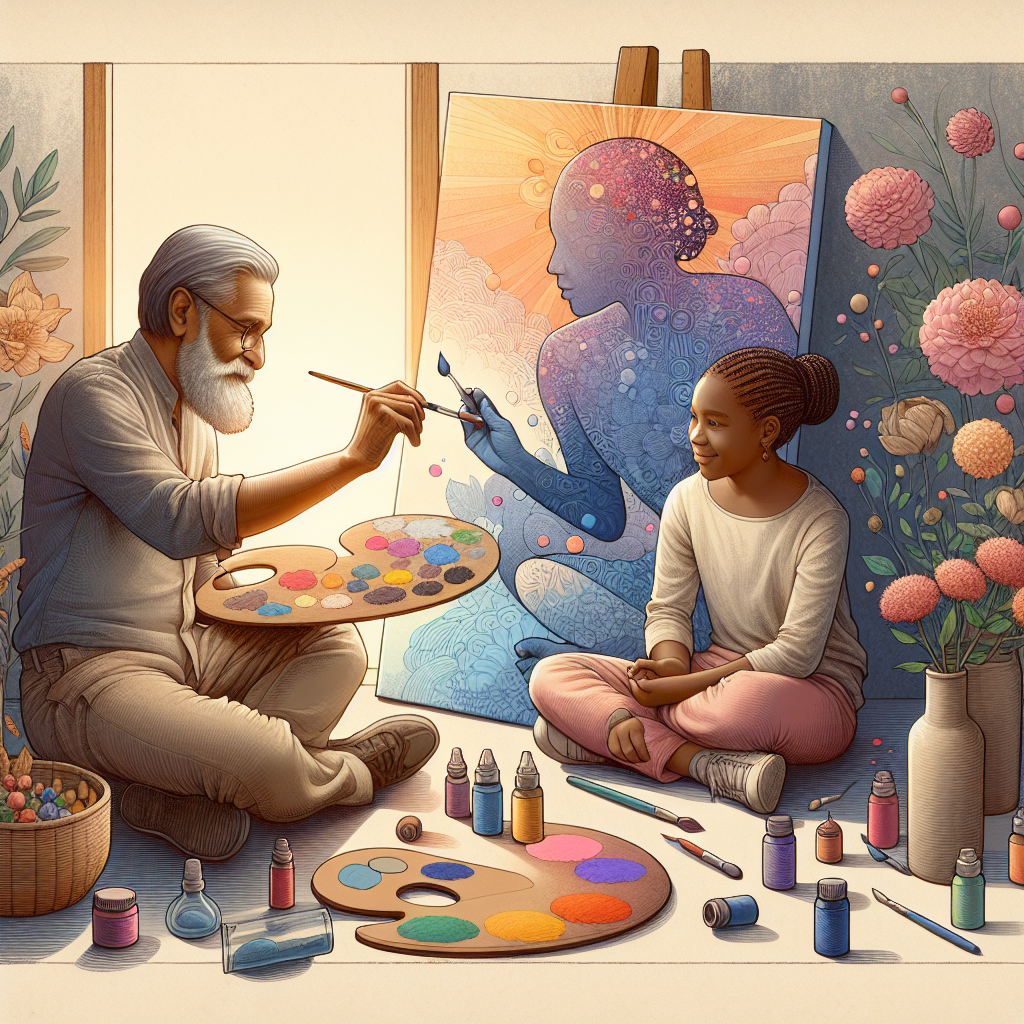
Art therapy combines the creative process of making art with psychotherapy. It utilizes artistic expression as a pathway to explore emotions, increase self-awareness, and cope with trauma. Trained art therapists guide individuals in using their artistic abilities—be it drawing, painting, or sculpting—to foster a journey toward self-exploration and healing.
The Historical Context
Art therapy is rooted in the early 20th century when artists and psychologists began to recognize the significance of creativity in mental health. Influential figures like Margaret Naumburg and Edith Kramer laid the foundation by integrating art into therapeutic practices, paving the way for its modern applications.
Key Techniques in Art Therapy
Free Drawing: This technique encourages spontaneous expression without the constraints of reality. Participants draw freely to uncover subconscious thoughts and emotions.
Collage Making: By assembling images and materials, individuals can narrate their experiences and emotions visually, often revealing underlying feelings that words alone may not capture.
Clay Modeling: The tactile sensation of molding clay helps ground clients in the present while allowing them to express emotions metaphorically through their creations.
Photography: Using photography as a medium, participants can document their lived experiences, empowering them to see their world from a new perspective.
- Mixed Media: This approach combines various artistic forms, allowing for diverse expressions and versatility in the therapeutic process.
Table: Key Techniques and Their Benefits
| Technique | Benefits |
|---|---|
| Free Drawing | Emotional release, self-awareness |
| Collage Making | Storytelling, visual communication |
| Clay Modeling | Tactile engagement, metaphorical expression |
| Photography | Perspective-shifting, personal documentation |
| Mixed Media | Versatile expression, choice empowerment |
The Benefits of Art Therapy
Emotional Healing
Art therapy serves as a medium for emotional release. Many individuals find it challenging to articulate their feelings. Through artistic expression, they can visualize feelings of sadness, anger, or joy, making the healing process more tangible.
Case Study: Sarah, a 30-year-old survivor of abuse, struggled with anxiety and depression. Traditional talk therapy proved difficult for her. By engaging in art therapy, she created a series of paintings depicting her journey. Each stroke of the brush became a cathartic release, allowing her to process and ultimately confront her trauma.
Analysis: Sarah’s case exemplifies how art can facilitate emotional processing, serving as a supportive tool for those who find verbal expression inadequate.
Improved Mental Health
Engaging in art therapy has been shown to enhance mental health outcomes, particularly in individuals dealing with stress, anxiety, and depression. The act of creating art can activate the brain’s reward system, leading to improved mood and overall psychological health.
Increased Self-Esteem
Many participants in art therapy report a boost in self-esteem. Creating something visually appealing fosters a sense of accomplishment and pride. This newfound confidence often carries over into other areas of life.
Case Study: Michael, a teenager with social anxiety, found it challenging to engage with peers. Through a collage-making workshop, he was able to communicate his aspirations and identity visually. As he shared his artwork with the group, he experienced a shift in his confidence levels.
Analysis: Michael’s story highlights how art therapy encourages a supportive community where individuals can share their creations, increasing their self-worth.
Enhanced Communication Skills
For those struggling to express themselves verbally, art therapy serves as an effective intermediary. The act of creating art can facilitate discussions, enabling participants to better articulate their thoughts and feelings.
Stress Reduction
Creating art reduces stress and promotes relaxation. The process of focusing on a creative task can distract from anxious thoughts and provide a calming outlet for pent-up emotions.
Case Study: Jessica, a corporate professional facing burnout, discovered art therapy as a means of stress relief. She transformed her anxiety into abstract paintings, which not only provided respite but also cultivated a more mindful existence.
Analysis: Jessica’s experience underscores art therapy’s role in stress management, proving that creative outlets can significantly enhance quality of life.
The Science Behind Art Therapy
Neurobiological Effects
Studies highlight art therapy’s impact on the brain, showing that it can create alterations in neurochemistry that aid in mood regulation. Engaging in artistic endeavors stimulates dopamine production, the "feel-good" neurotransmitter, thus enhancing emotional well-being.
Emotional Resilience
Art therapy enables individuals to develop emotional resilience by facing their feelings through a creative lens. This practice helps participants process trauma, facilitating healing and growth in a supportive manner.
Research Findings
Research underscores the effectiveness of art therapy in various contexts, including mental health facilities, schools, and rehabilitation centers. Many studies indicate significant improvements in emotional well-being for individuals who participated in structured art therapy sessions.
Conclusion
The healing power of art is undeniable. Techniques and benefits of art therapy provide a unique avenue for emotional expression, mental rejuvenation, and personal exploration. Through the creative process, individuals can discover tools for coping, self-acceptance, and healing.
Whether you are a mental health professional, a prospective client, or simply someone curious about the link between creativity and healing, understanding art therapy can open doors to transformative experiences.
Motivational Takeaway
Art is not merely a medium for aesthetic pleasure; it holds the potential to heal the soul. Embrace the journey of creativity for your mental and emotional well-being, and remember: every stroke, every color, every piece of art tells a story waiting to be expressed.
FAQs Section
1. Is art therapy only for people with mental health issues?
No, while art therapy is particularly beneficial for those facing mental health challenges, it is also valuable for anyone seeking emotional support, personal growth, or stress relief.
2. Do you need artistic skills to participate in art therapy?
Not at all! Art therapy is about the process of creation rather than the final product. It’s a safe space for all skill levels.
3. How long does an art therapy session typically last?
Sessions usually last between 45 minutes to an hour, similar to traditional therapy sessions.
4. How can I find a qualified art therapist?
You can start by searching for licensed art therapists through national professional organizations or local mental health agencies.
5. Can children benefit from art therapy?
Yes! Children often respond exceptionally well to art therapy, as it provides them with a non-verbal outlet for expression and can help them navigate complex emotions.
By engaging with The Healing Power of Art: Techniques and Benefits of Art Therapy, you have taken an admirable step toward understanding the intersection of creativity and mental health. Now it’s your turn to explore this healing journey, whether for yourself or those you care about. Take a leap into the world of art therapy and discover its transformative powers.
About the Author