Introduction
Imagine watching a flower bloom, its petals unfurling to reveal beauty and complexity. Similarly, as children grow, they go through various stages of development—each one a crucial part of their journey toward becoming well-rounded individuals. The Importance of Developmental Milestones: How They Shape Future Learning cannot be overstated. These milestones are not merely benchmarks; they are indicators of a child’s social, emotional, and cognitive growth. Understanding these benchmarks can be transformative for parents, educators, and policymakers alike.
In this article, we will delve deep into the significance of developmental milestones, exploring how they shape future learning and overall life outcomes. With captivating case studies, charts, and actionable insights, we aim to illuminate this essential topic.
What Are Developmental Milestones?
Developmental milestones are specific skills or behaviors that most children can achieve by a certain age. They are divided into several key domains, including:
- Physical Development: Gross and fine motor skills.
- Cognitive Development: Problem-solving and memory.
- Language Development: Verbal and non-verbal communication.
- Social and Emotional Development: Interacting with others and managing feelings.
These milestones typically occur in a predictable order, making them invaluable for assessing a child’s development.
Case Study: The Early Years Program
A comprehensive study conducted in 2020 examined children enrolled in early developmental programs across several regions. The results showed that children who reached specific developmental milestones in these programs were more likely to excel academically by the time they entered middle school. This connection highlights the importance of focusing on developmental milestones during the early years.
Why Are Milestones Important?
Identifying Challenges Early On
One of the primary benefits of monitoring developmental milestones is the early identification of complications. When parents and caretakers are aware of these milestones, they can notice delays and seek intervention services.
Personalized Learning
Every child is unique, and understanding where they stand developmentally allows for tailored educational approaches. Teachers can adapt their methods by recognizing individual strengths and weaknesses.
Building Confidence
Achieving developmental milestones can bolster self-esteem. When children accomplish significant tasks, such as walking or speaking, they gain the confidence needed to tackle more complex challenges.
Long-term Educational Outcomes
Research shows that children who develop skills within the expected timeframe are more likely to succeed academically and socially throughout their lives. Understanding The Importance of Developmental Milestones: How They Shape Future Learning equips parents and educators to foster environments that nurture growth.
Milestones Across Different Domains
1. Physical Development
Physical milestones include both gross motor skills, such as running and jumping, and fine motor skills, like holding a pencil.
| Age | Gross Motor Skills | Fine Motor Skills |
|---|---|---|
| 1 Year | Stands without support | Pick up small objects |
| 2 Years | Walks up and down stairs | Uses a spoon and fork |
| 3 Years | Runs well | Builds a tower of blocks |
Case Study Analysis: A longitudinal study found that children who mastered these milestones early tended to excel in sports and physical activities later in life, showcasing the connection between early physical development and lifelong motor skills.
2. Cognitive Development
Cognitive milestones involve skills like problem-solving, memory, and decision-making.
| Age | Cognitive Skills |
|---|---|
| 1 Year | Explores with hands |
| 2 Years | Begins to follow simple instructions |
| 3 Years | Can sort shapes and colors |
Case Study: In a cohort study published in 2019, researchers found that early problem-solving skills directly correlated with higher IQ scores as youth. This indicates that fostering cognitive milestones can pave the way for intellectual growth.
3. Language Development
Language milestones signify a child’s ability to communicate verbally and non-verbally.
| Age | Language Skills |
|---|---|
| 1 Year | Says one or two words |
| 2 Years | Has a vocabulary of 50 words |
| 3 Years | Can form simple sentences |
Case Study: A study from a prominent university demonstrated that children who hit language milestones on time showed enhanced academic performance in school, emphasizing The Importance of Developmental Milestones: How They Shape Future Learning.
4. Social and Emotional Development
Social milestones include the ability to understand social norms and manage emotions.
| Age | Social & Emotional Skills |
|---|---|
| 1 Year | Imitates behavior of others |
| 2 Years | Shows fear in some situations |
| 3 Years | Engages in basic cooperative play |
Case Study: An analysis by child psychologists indicated that children who developed social skills promptly were less likely to experience behavioral issues in school, further supporting the significance of these milestones.
How Milestones Shape Future Learning
Building a Strong Educational Foundation
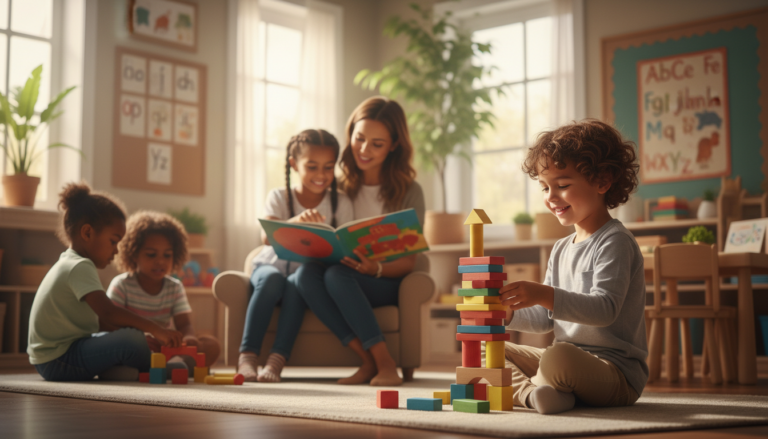
When children meet their developmental milestones, they are better equipped for educational settings. For example, children who develop language skills early tend to participate more in classroom discussions and activities.
Enhancing Critical Thinking
Meeting cognitive milestones facilitates critical thinking skills essential for academic success. Children who have mastered problem-solving skills can handle more complex tasks as they progress through school.
Fostering Social Skills
Successfully developing social milestones establishes a foundation for collaborative learning. Children who interact positively with peers are more likely to engage in group projects and discussions, enriching their educational experience.
Actionable Insights for Parents and Educators
1. Regular Monitoring
Parents should routinely assess their child’s milestones using available resources and checklists. Tools like the Ages & Stages Questionnaire (ASQ) can be invaluable.
2. Encourage Open Communication
Fosters an open dialogue about milestones at both home and school to create a supportive environment.
3. Celebrate Achievements
Celebrate when children meet their milestones to build confidence and motivate them toward future learning experiences.
4. Seek Professional Guidance When Necessary
If concerns about a child’s development arise, consulting a healthcare professional is vital for early intervention.
Conclusion
Understanding The Importance of Developmental Milestones: How They Shape Future Learning opens up a world of possibilities for children. Meeting these milestones bridges gaps in physical, cognitive, emotional, and social development, fostering well-rounded individuals. By recognizing and nurturing these critical stages, parents and educators can lay the groundwork for lifelong success, engagement, and happiness.
In the words of philosopher Jean Piaget, “Children are active learners; they build their own knowledge.” By prioritizing developmental milestones, we equip them with the tools they need for a bright future.
FAQs
1. What are developmental milestones?
Developmental milestones are specific skills or behaviors expected at certain age ranges, covering areas such as physical, cognitive, language, and social-emotional development.
2. Why are these milestones important?
They help identify potential developmental delays, provide insights into a child’s growth, and inform personalized educational strategies.
3. What should I do if my child isn’t meeting their milestones?
Consult a pediatrician or child development specialist to discuss your concerns and explore potential early intervention options.
4. How can I support my child’s development at home?
Engage them in age-appropriate activities that promote physical, cognitive, and social skills. Celebrate their achievements and maintain open communication about challenges.
5. Are milestones the same for every child?
While there are general expectations for developmental milestones, every child is unique. Variability is normal, and individual differences should be respected.
By embracing The Importance of Developmental Milestones: How They Shape Future Learning, we can pave the way for children’s successful transitions into engaged, confident learners. Let’s commit to nurturing these vital stages with care and attention, ensuring that our future generations flourish.
About the Author