Introduction
Imagine a world where justice and compassion unite, where understanding mental health challenges does not compromise fairness but enhances it. The insanity defense stands at this intersection, a crucial debate that shapes how society views accountability and mental illness. As discussions surrounding mental health become increasingly vital, the topic of “The Insanity Defense: Balancing Justice and Mental Health Awareness” takes center stage. This article aims to explore this balancing act, providing unique insights into how the insanity defense functions, its implications for justice systems worldwide, and the ongoing dialogue between mental health awareness and criminal accountability.
Understanding the Insanity Defense
A Brief Overview
The insanity defense is a legal construct that allows defendants to argue they should not be held criminally responsible for their actions due to severe mental illness. Generally, this defense can absolve an individual from punitive punishment, redirecting them instead to mental health treatment. Understanding its historical and legal frameworks is essential for grasping the contemporary relevance of the insanity defense.
Legal Standards
Different jurisdictions utilize various standards to evaluate the insanity defense. The most widely recognized are:
- M’Naghten Rule: Originating in the 19th century, this rule states that a defendant may be excused from liability if, at the time of committing the offense, they were unable to understand the nature of their actions or discern right from wrong due to a severe mental disorder.
- Durham Rule: This less common standard holds that a defendant is not criminally responsible if their illegal act was the product of mental illness.
- Model Penal Code: This rule broadens findings of insanity to defendants who lack substantial capacity to appreciate the criminality of their conduct or conform their conduct to the law due to mental illness.
Globally Divergent Practices
The insanity defense is not uniformly applied worldwide. For instance, some countries, like Canada and the UK, have robust systems to assess and treat defendants found not criminally responsible due to mental illness. Conversely, nations without this legal framework treat mental health issues within the judicial system differently—often leading to harsher penalties for those with mental disorders.
Case Studies: Real-World Applications of the Insanity Defense
1. John Hinckley Jr.
One of the most well-known cases involving the insanity defense is John Hinckley Jr., who attempted to assassinate President Ronald Reagan in 1981. Hinckley was found not guilty by reason of insanity, straining public perception of the defense. The case raised significant questions about accountability, leading to reforms in several states to tighten the standards for the insanity defense.
Analysis: The Hinckley case remains a touchstone in discussions about “The Insanity Defense: Balancing Justice and Mental Health Awareness,” illustrating the public’s fear of misuse while emphasizing the need for compassionate approaches to dangerously ill individuals.
2. Andrea Yates
Andrea Yates drowned her five children in 2001 while suffering from severe postpartum depression and psychosis. Initially convicted of murder, she was later retried and found not guilty by reason of insanity. This case highlighted the complexities of mental illness in legal judgments and spurred hikes in mental health advocacy.
Analysis: Yates’s case spotlights the necessity for a nuanced understanding of mental health within the justice system, reinforcing the importance of “The Insanity Defense: Balancing Justice and Mental Health Awareness” for both societal safety and individual treatment.
| Case | Action | Verdict |
|---|---|---|
| John Hinckley | Attempted Assassination | Not Guilty by Reason of Insanity |
| Andrea Yates | Drowning Children | Not Guilty by Reason of Insanity |
3. Richard Ramirez
Known as the “Night Stalker,” Richard Ramirez was a serial killer whose defense hinged on claims of mental illness. However, in his trial, the court found him fully culpable for his crimes, drawing on evidence of calculated planning. His conviction emphasized how the insanity defense is often contested and scrutinized.
Analysis: Ramirez’s case accentuates the critical role of jury perception in insanity cases, underscoring the challenges of “The Insanity Defense: Balancing Justice and Mental Health Awareness.” It prompts important conversations about who qualifies for this defense amid public opinions on violent crimes.
Mental Health Awareness and Public Perception
The Stigma of Mental Illness
Stigma surrounding mental illness can drastically influence legal outcomes. Many people see mental illness as equivalent to moral failings, leading to widespread misconceptions about the intentions of those using the insanity defense. Increasing awareness about mental health disorders is crucial in transforming public perception and ensuring just treatment.
Advocacy and Solutions
Mental health advocacy organizations work tirelessly to reshape narratives around the insanity defense. Advocates argue that mental illness should be viewed with empathy and understanding rather than fear and punitive action. By creating educational campaigns, these groups aim to raise awareness about mental health issues, reducing stigma and improving the public’s understanding of the insanity defense.
Balancing Justice and Compassion
Reforms in the Justice System
Recent years have ushered in various reforms to ensure the insanity defense is applied fairly and effectively. These reforms include:
- Enhanced Mental Health Evaluations: Jurisdictions are now employing more rigorous and standardized evaluations for defendants claiming insanity.
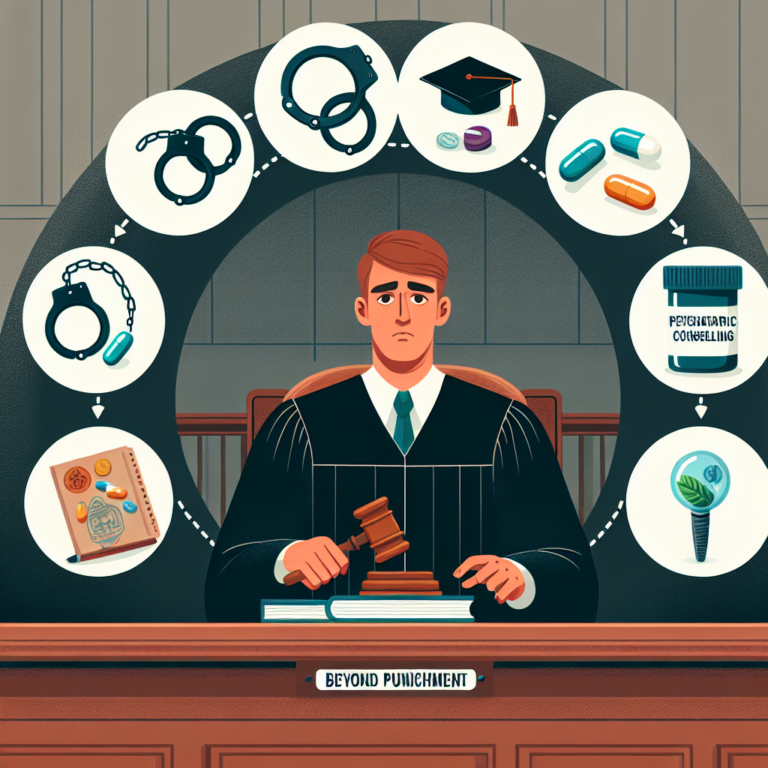
- Diversion Programs: Instead of imprisonment, many jurisdictions recommend treatment programs emphasizing rehabilitation for those found not criminally responsible.
The Role of Mental Health Professionals
Mental health professionals are increasingly playing an integral role in the legal process, providing assessments that help courts understand the defendant’s state of mind during the commission of a crime. These professionals are vital in bridging the gap between justice and mental health awareness.
Conclusion
The insanity defense remains a critical focal point within the conversation of justice and mental health. As we navigate the complexities of mental illness, a balanced approach is paramount. By understanding the history, legal frameworks, and real-world implications of the insanity defense, we can better appreciate its role in fostering fairness while raising mental health awareness.
Society must continually strive for a justice system that respects individual mental health challenges while ensuring all citizens are held accountable for their actions. The future lies in empathy, understanding, and a steadfast commitment to “The Insanity Defense: Balancing Justice and Mental Health Awareness.”
FAQs
1. What does the insanity defense mean?
The insanity defense allows defendants to claim they are not criminally responsible for their actions due to severe mental illness at the time of the offense.
2. How is insanity determined in court?
Insanity is typically determined through psychological evaluations and is often based on established legal standards like the M’Naghten Rule.
3. Can someone found not guilty by reason of insanity still face consequences?
Yes, defendants found not guilty by reason of insanity can be committed to a psychiatric facility for treatment rather than serving a prison sentence.
4. Does the public generally support the insanity defense?
Public opinion on the insanity defense varies, often influenced by high-profile cases that spark fear and misunderstanding about mental illness.
5. How can we improve mental health awareness in relation to the insanity defense?
Increasing access to mental health education, advocacy for policy reforms, and community outreach can all contribute to a better understanding of the insanity defense in relation to mental health awareness.
By maintaining the conversation around “The Insanity Defense: Balancing Justice and Mental Health Awareness,” society can work towards a more enlightened and compassionate legal system.
About the Author