Introduction
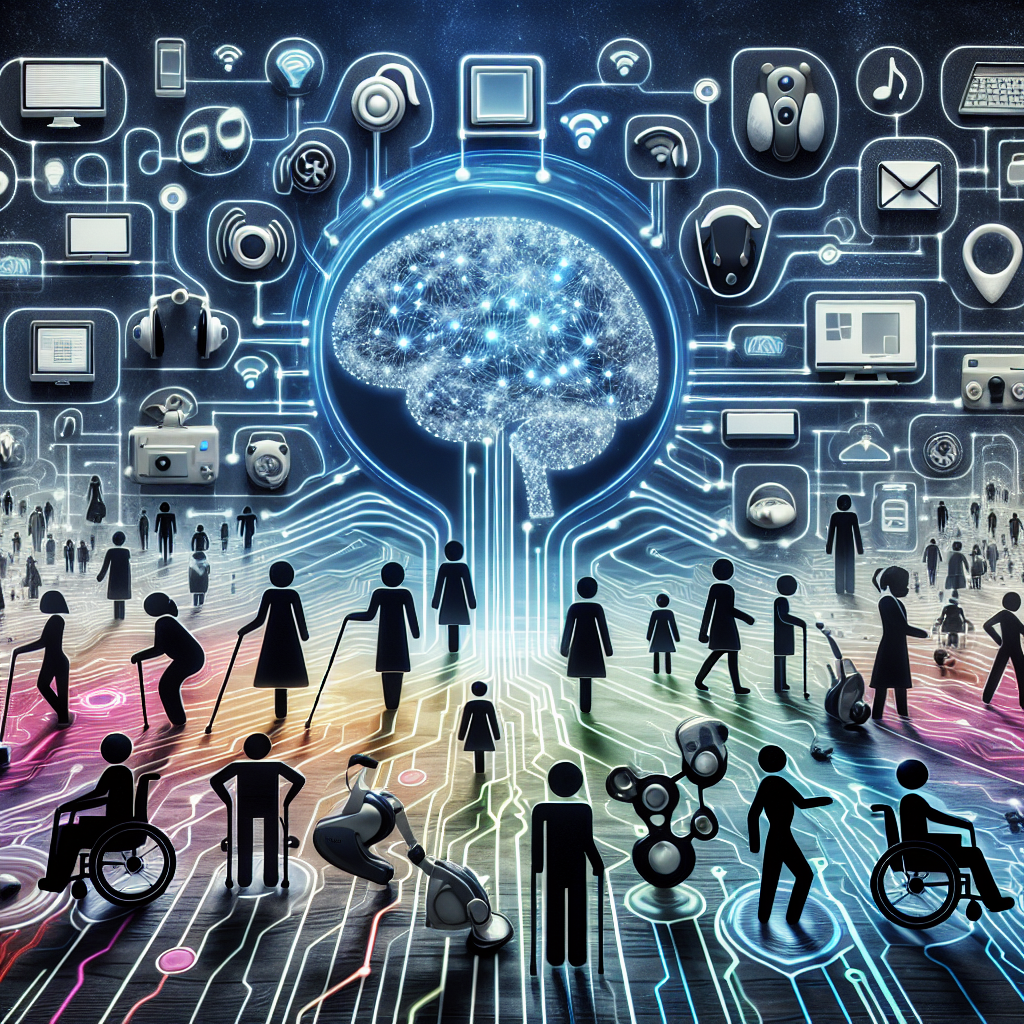
In an age where technology continues to reshape every aspect of our lives, the intersection of AI and assistive technology has emerged as a crucial frontier, paving the way for personalized support that meets diverse user needs. As we delve into this transformative realm, we uncover how these powerful technologies converge to create tools that enhance accessibility, improve independence, and empower individuals. This article explores the compelling pathways that AI and assistive technology chart together, offering unique insights and practical examples that illustrate their profound impact.
The Role of AI in Assistive Technology
Understanding Assistive Technology
Assistive technology encompasses a wide range of devices and services designed to help individuals with disabilities perform everyday tasks. From screen readers that aid visually impaired users to mobility devices that enhance physical accessibility, these technologies are essential for fostering independence.
The Power of Artificial Intelligence
Artificial intelligence complements assistive technology by harnessing data, improving user interaction, and providing personalized experiences. AI systems analyze user behavior, predict needs, and automate tasks, allowing for a level of customization that was previously unattainable.
Synergy Between AI and Assistive Technology
The intersection of AI and assistive technology signifies a radical shift in how support services are tailored. By employing machine learning algorithms and natural language processing, developers can create smarter, more intuitive tools that adapt to individual preferences and requirements. This synergy transforms basic assistive devices into dynamic companions.
Real-World Applications: Case Studies
Case Study 1: Speech Recognition and Communication Aids
Summary:
Consider the case of Tobii Dynavox, a company specializing in augmentative and alternative communication (AAC) devices. They integrated AI-driven speech recognition into their communication aids, allowing users to communicate more naturally. The devices learn a user’s vocabulary preferences and communication style over time, creating a personalized experience.
Analysis:
This case highlights how AI enhances users’ communication, providing a voice to those who may otherwise struggle to express themselves. By personalizing the support, Tobii Dynavox has improved user engagement and satisfaction.
Case Study 2: Smart Home Integration for Mobility Assistance
Summary:
Another noteworthy example is the Lighthouse for the Blind and Visually Impaired, which has integrated AI into smart home technology. Their systems allow visually impaired individuals to use voice commands to control lights, thermostats, and other appliances, all customized to user needs.
Analysis:
This intersection of AI and assistive technology is a game-changer in creating independence. It shows that personalized support can extend beyond traditional devices, showcasing how AI can enhance everyday living within the home environment.
Case Study 3: Personal Assistant Robots
Summary:
Jibo, once touted as a social robot, illustrates the potential of AI in assistive technology. Designed to engage users through conversation and interaction, Jibo learns user preferences and behaviors, adapting its interactions accordingly.
Analysis:
By leveraging AI, Jibo personalizes companionship, offering emotional support alongside practical assistance. This integration underscores the importance of user-centered design in developing assistive technology.
Key Benefits of Personalizing Support
Improved User Experience
Personalized support leads to a more engaging and intuitive experience. When devices cater to individual preferences, users are more likely to embrace and utilize these technologies effectively.
Increased Independence
AI-driven assistive technology can dramatically increase the independence of users. With tailored solutions, individuals can perform tasks that may have previously required assistance, enhancing self-esteem and self-sufficiency.
Enhanced Accessibility
By understanding user-specific challenges, AI can create solutions that transcend traditional barriers to accessibility. This approach promotes inclusivity, ensuring that everyone has the tools they need to thrive.
Challenges at the Intersection
Data Privacy Concerns
As with any technology that utilizes personal data, privacy concerns loom large. Ensuring users’ data is protected while leveraging it for personalized services is a critical challenge that developers must navigate.
The Need for Continuous Learning
AI systems must adapt and learn over time, which requires ongoing data input and updates from users. Ensuring that these systems can evolve as user needs change is essential for sustained effectiveness.
Affordability and Accessibility
In the quest for personalized support, it’s vital to consider the affordability of these technologies. While advancements are promising, ensuring widespread access remains a challenge.
Tables and Charts
| Technology | Benefits | Challenges |
|---|---|---|
| Speech Recognition | Enhanced communication for AAC users | Accuracy varies among different accents or languages |
| Smart Home Systems | Increased independence for disabled users | High initial setup costs |
| Personal Assistant Robots | Engaging companionship and daily task support | Limited functionality based on technology maturity |
Conclusion
The intersection of AI and assistive technology opens up a world of possibilities, personalizing support for users in ways that were once the stuff of dreams. By embracing this integration, we not only enhance individual experiences but also foster a more inclusive society. The journey ahead is filled with potential; as researchers and developers continue to innovate, we can expect to see even more tailored solutions that empower individuals to lead independent, fulfilling lives.
Takeaway Message
As we harness the collective power of AI in assistive technologies, the message is clear: technology should serve humanity, not the other way around. The ongoing challenge is to ensure these innovations remain accessible, ethical, and user-focused. Let’s champion the future of assistive technology together.
FAQs
1. What is assistive technology?
Assistive technology refers to devices or services designed to help individuals with disabilities perform everyday tasks, enhancing their independence and quality of life.
2. How does AI improve assistive technology?
AI enhances assistive technology by enabling personalization. Through data analysis and learning algorithms, AI can tailor devices and applications to meet individual user needs more effectively.
3. Are there any privacy concerns with AI in assistive technology?
Yes, privacy concerns arise because many AI-driven assistive technologies utilize personal data. Ensuring that user data is protected while allowing for personalization is critical to overcoming these challenges.
4. Can AI assist users with all types of disabilities?
While AI can significantly enhance many assistive technologies used by various types of disabilities, its effectiveness depends on the specific needs and contexts of users. Tailoring solutions is vital.
5. What does the future hold for AI and assistive technology?
The future holds promising potential for more intelligent, adaptable, and accessible assistive technologies. Continued collaboration between tech developers, users, and advocacy groups will drive innovation and ensure these tools remain user-centered.
Through a dedicated exploration of The Intersection of AI and Assistive Technology: Personalizing Support for Users, we can forge a path towards a more inclusive and empowered society. By prioritizing user needs at every step, we can ensure that technology serves as a bridge rather than a barrier.
About the Author