The Power of a Song: Essential Music Interventions for Learning Disabilities in Education
Introduction
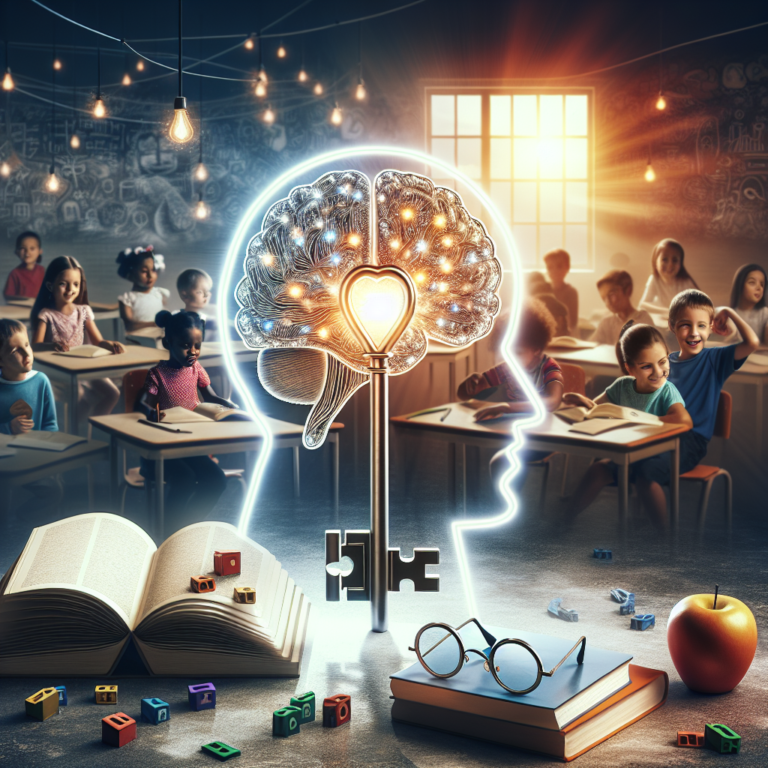
Imagine a classroom where learning isn’t confined to textbooks and rigid lectures but flows with melodies and rhythms that make knowledge resonate. In this transformative space, The Power of a Song: Music Interventions for Learning Disabilities in Education takes center stage. Here, music isn’t just an accessory; it’s a powerful vehicle for engagement, retention, and emotional connection, particularly for students grappling with learning disabilities. As educators and parents alike seek innovative solutions to support diverse learners, the intersection of music and education emerges as a beacon of hope. This article explores the profound impact of music interventions, backed by compelling case studies and actionable insights, all aimed at enhancing educational outcomes for children with learning disabilities.
Understanding Learning Disabilities
What Are Learning Disabilities?
Learning disabilities (LD) encompass a range of neurological disorders that affect the brain’s ability to process information. They can manifest as difficulties in reading (dyslexia), writing, math (dyscalculia), or executive functions. According to the National Center for Learning Disabilities, about 1 in 5 students experience a learning disability, underscoring the urgency for effective educational strategies.
The Role of Music in Learning
Music is a universal language that evokes emotions, enhances memory, and fosters social interaction. Its rhythmic and melodic qualities create an engaging learning environment, particularly beneficial for students with LD. Studies suggest that music can significantly boost cognitive functions, improve focus, and increase retention—all vital for academic success.
The Science Behind Music Interventions
How Music Affects the Brain
Neuroscience research has shown that music activates multiple brain areas, affecting auditory processing, memory, and emotion. For students with LD, engaging in music-based activities can stimulate brain regions that may be underdeveloped or less active due to their learning challenges. This neuroplasticity allows children to forge new pathways, enhancing their ability to learn.
Key Theories Supporting Music Interventions
- Multiple Intelligences Theory: Howard Gardner proposed that individuals possess various kinds of intelligences, including musical intelligence. Through music, students with LD can access alternative learning pathways that align with their unique intelligences.
- Cognitive Load Theory: This theory posits that our working memory has limited capacity. Music can serve as a cognitive scaffold, reducing the load by making information more relatable and easier to recall.
Real-World Applications of Music Interventions
Case Study 1: The “Sing and Read” Program
Overview: At Lincoln Elementary School, a reading intervention program was designed for students with dyslexia. The “Sing and Read” initiative combined phonetic awareness with music, using familiar tunes to teach sight words and phonics.
Results: Teachers reported a 30% increase in reading fluency among participants. Students engaged more deeply during lessons and demonstrated improved retention of material.
Analysis: This case underscores how music can provide structure and a sense of predictability, making it easier for students with dyslexia to navigate their learning.
Case Study 2: Music Therapy for ADHD
Overview: At Oak Hill Middle School, a tailored music therapy program was implemented for students diagnosed with ADHD. The program focused on rhythm exercises and spontaneous music-making to enhance self-regulation and focus.
Results: Observations noted a significant reduction in impulsive behaviors and improved attention spans during both music sessions and standard classroom activities.
Analysis: The findings illustrate music’s dual role—as a method of engagement and a tool for behavioral management, effectively bridging the gap in educational settings for those with ADHD.
Music Techniques and Strategies for Educators
Incorporating Music into the Curriculum
- Singing Lyrics: Use educational songs to teach core concepts. For example, songs about math operations can help students memorize formulas while enjoying the process.
- Musical Mnemonics: Create songs that utilize key vocabulary or concepts, transforming boring lists into catchy, memorable tunes.
- Incorporate Movement: Pair lessons with body movement, such as dancing or hand motions, to boost engagement and help with information retention.
Creating a Music-Friendly Environment
- Sound Zones: Designate areas in the classroom where music can be played softly to enhance learning or creativity.
- Instrument Availability: Provide accessible instruments for students to explore sounds, which can help develop their fine motor skills and social interaction.
Challenges and Considerations
Resistance to Music Integration
Some educators may be hesitant to integrate music into their curriculum, fearing it would detract from academic focus. However, research continually demonstrates that singing and rhythmic activities can enhance learning without compromising educational integrity.
Addressing Diverse Needs
Not all students engage with music in the same way. It’s crucial to tailor music interventions to the specific needs and preferences of students. Teachers should assess individual responses and adjust their methodologies accordingly.
Conclusion
The evidence is clear: The Power of a Song: Music Interventions for Learning Disabilities in Education is more than an innovative approach; it’s a necessity. As we continue to explore and implement music in educational settings, we open up new avenues for students facing the challenges of learning disabilities. Beyond helping them learn, music fosters a sense of belonging, creativity, and emotional expression that is essential for holistic development.
Takeaway
Educators, parents, and policymakers must champion music interventions, ensuring they are integrated into mainstream education. Together, we can transform the educational landscape, making it inclusive and inspiring for all learners.
FAQs
1. How can music improve learning outcomes for students with disabilities?
Music can enhance memory, attention, and emotional engagement, creating a supportive learning environment that aligns with diverse learning styles.
2. Are there specific types of music more effective for learning?
While the effectiveness of music can vary among individuals, rhythmic and melodic structures often help in memorization and recall.
3. How can parents support music interventions at home?
Parents can encourage musical activities, such as singing songs together or using educational apps featuring music, to reinforce learning in a playful manner.
4. Is music therapy different from music interventions in schools?
Yes, music therapy is typically conducted by licensed professionals and focuses on emotional and psychological healing, while music interventions in education aim to enhance learning outcomes.
5. What resources are available for educators to implement music interventions?
Numerous online platforms offer lesson plans, music resources, and training for teachers interested in integrating music into their curricula effectively.
By leveraging The Power of a Song: Music Interventions for Learning Disabilities in Education, we can create inclusive, dynamic classrooms that inspire all students to achieve their full potential.
About the Author