The Ripple Effect: How Social Learning Shapes Group Behavior and Norms – Unlocking Group Dynamics for Positive Change
Introduction
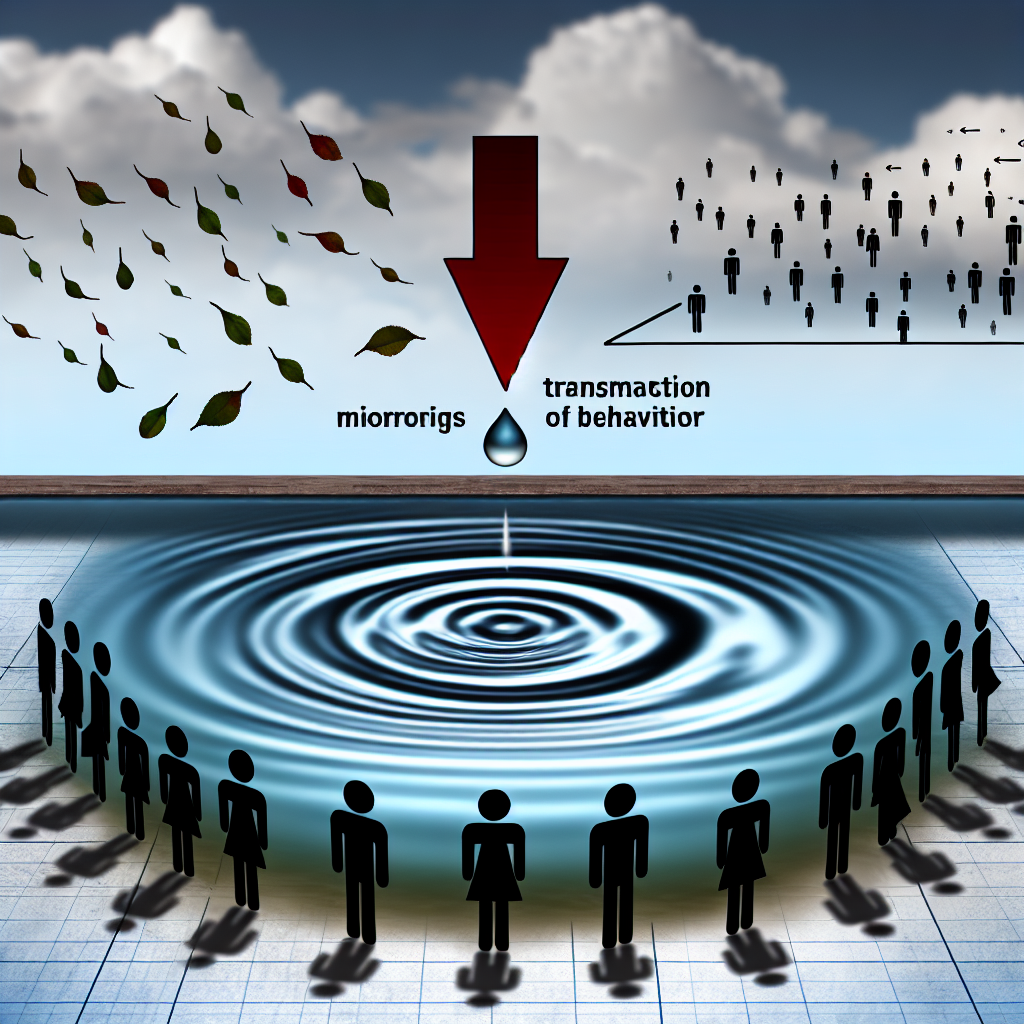
In today’s interconnected world, understanding how group behavior and social norms evolve is more crucial than ever. Imagine a pebble thrown into a calm pond: the initial splash creates ripples that expand outward, influencing the water far beyond the point of impact. This imagery serves as a perfect metaphor for The Ripple Effect: How Social Learning Shapes Group Behavior and Norms. When individuals learn from one another, their actions, ideals, and values spread like those ripples, substantially impacting the entire social fabric.
This article takes a deep dive into the mechanics behind this phenomenon, exploring how social learning facilitates the establishment and evolution of group behavior and norms. From educational settings to corporate environments, understanding these dynamics offers invaluable insights for leaders, educators, and community builders alike.
Understanding Social Learning Theory
Defining Social Learning
At its core, social learning theory posits that individuals learn within a social context, primarily through observation. Developed by Albert Bandura in the 1960s, this theory emphasizes the importance of modeling, imitation, and reinforcement in learning processes. Bandura’s groundbreaking work highlighted how behaviors—good and bad—can be acquired by observing others, thus shaping societal expectations and norms.
Key Components of Social Learning
- Attention: For learning to occur, individuals must pay attention to the behavior of others.
- Retention: Observed behaviors must be stored in memory for future retrieval.
- Reproduction: The observer must have the ability to reproduce the observed behavior.
- Motivation: Social and environmental factors must foster motivation to enact learned behavior.
Understanding these components is essential for analyzing The Ripple Effect: How Social Learning Shapes Group Behavior and Norms.
Case Study: The Bandura Bobo Doll Experiment
The classic Bobo Doll experiment conducted by Bandura demonstrated how children learn behaviors by watching adults. When children observed an adult acting aggressively toward a doll, they were significantly more likely to imitate that behavior. This experiment illustrates the foundational principles of social learning theory and the ripple effect that one individual’s behavior can have on a group.
Relevance to Group Behavior:
This case study highlights how aggressive or positive behaviors can propagate through social circles, setting norms that future generations may adopt without question.
The Ripple Effect in Action
Social Learning in Educational Settings
In schools, children learn not only academic content but also social norms. For instance, the behavior of a well-behaved student can inspire peers to model similar conduct.
Table 1: Observational Learning in Schools
| Behavior | Potential Positive Impact | Potential Negative Impact |
|---|---|---|
| Acts of Kindness | Fosters a culture of empathy | May be ignored if not reinforced |
| Academic Engagement | Encourages peer motivation | Can lead to competition and stress |
| Disruptive Behavior | Causes ripple effect of disruption | Normalizes negative behavior |
Case Study: Classroom Dynamics
A classroom where a teacher emphasizes collaborative learning often sees students monitoring each other’s engagement and participation. When one student raises their hand frequently, others are more inclined to follow suit, thereby creating a norm of involvement and curiosity. This phenomenon underscores The Ripple Effect: How Social Learning Shapes Group Behavior and Norms within educational establishments.
Analysis:
This example encapsulates how a single student’s initiative can inspire their peers, emphasizing the importance of supportive environments for optimal learning outcomes.
Social Learning in the Workplace
In corporate environments, behaviors and attitudes can quickly propagate through teams. Positive behaviors, such as open communication and teamwork, can create a vibrant workplace culture, while toxic behaviors can lead to a detrimental ripple effect.
Case Study: The Google Culture of Innovation
Google’s emphasis on collaborative learning showcases the power of social dynamics. The tech giant fosters a culture where employees are encouraged to share ideas freely, leading to innovative solutions and a strong sense of community.
Table 2: Workplace Dynamics
| Behavior | Positive Ripple Effect | Negative Ripple Effect |
|---|---|---|
| Open Feedback | Drives mutual improvement | Can foster defensiveness |
| Recognition of Efforts | Boosts morale and productivity | May lead to competition over praise |
| Negativity | Can spread distrust and disengagement | Sets a toxic tone in the workplace |
Relevance:
This case starkly illustrates The Ripple Effect: How Social Learning Shapes Group Behavior and Norms, showing how organizational cultures can be positively or negatively impacted by collective behaviors.
The Role of Leaders in Shaping Group Norms
Leaders as Role Models
Leaders hold immense power in shaping social norms through their actions. A leader who promotes inclusivity and transparency sets a precedent for their team, encouraging similar behaviors among group members.
Case Study: Satya Nadella at Microsoft
Satya Nadella’s leadership style significantly transformed Microsoft’s culture. By promoting empathy and collaboration, he instilled a more open environment within the organization.
Analysis:
Nadella’s approach illustrates The Ripple Effect: How Social Learning Shapes Group Behavior and Norms. His transparent communication and focus on growth mindset have cascaded through the organization, becoming part of Microsoft’s core values.
The Impact of Social Media
The Digital Ripple Effect
In the age of social media, the ripple effect has reached unprecedented levels. A single post can go viral, influencing opinions and behaviors across vast networks in an instant.
Case Study: Ice Bucket Challenge
The ALS Ice Bucket Challenge exemplified the power of social learning on social media. The challenge began as a whimsical act but quickly transformed into a global movement for awareness and fundraising.
Table 3: Social Media Influence
| Platform | Type of Ripple Effect | Example of Impact |
|---|---|---|
| Infectious participation | Viral challenges | |
| Rapid opinion spread | Hashtags driving social movements | |
| Visual engagement | Influencers shaping trends |
Analysis:
The Ice Bucket Challenge demonstrates The Ripple Effect: How Social Learning Shapes Group Behavior and Norms on a global scale. Individuals were motivated not only by social learning but also by the desire to contribute to a cause supported by their peers.
The Intersection of Social Learning and Psychological Safety
Building Trust
Establishing psychological safety in environments—be it workshops, classrooms, or offices—allows individuals to voice opinions and take risks without fear of negative repercussions.
The Ripple Effect of Psychological Safety
When one person feels safe to express an idea, others are likely to mirror that behavior, fostering collective openness.
Case Study: Google’s Project Aristotle
Google’s research into high-performing teams indicated that psychological safety was the most important factor in team success. Teams with high psychological safety exhibit shared learning, collaboration, and innovation.
Relevance to Group Norms:
This reinforces The Ripple Effect: How Social Learning Shapes Group Behavior and Norms, compelling organizations to invest in team culture that encourages participation and values each member’s contributions.
Conclusion
Understanding The Ripple Effect: How Social Learning Shapes Group Behavior and Norms is paramount for fostering environments—be it in schools, workplaces, or online spaces—that encourage positive group dynamics. When individuals learn from one another and model constructive behaviors, the resultant ripples can catalyze profound transformations in group norms and behaviors.
As we continue to navigate our interconnected world, let’s strive to create positive ripples that benefit not only ourselves but also the communities we are part of. The next time you listen to a colleague’s feedback or observe a peer’s actions, remember: you possess the power to influence and inspire those around you.
FAQs
1. What is social learning theory?
Social learning theory suggests that individuals learn behaviors through observation and imitation of others, underscoring the impact of social contexts on individual learning.
2. How can teachers use social learning effectively?
Teachers can model positive behaviors, promote peer collaboration, and create supportive environments to enhance social learning among students.
3. What is the ripple effect in social media?
The ripple effect in social media describes how a single post or action can rapidly influence behavior and opinions across wide networks, amplifying the impact of social learning.
4. Can negative behaviors also ripple through groups?
Yes, negative behaviors such as incivility or aggression can also spread through social learning, highlighting the importance of promoting positive norms and environments.
5. How can leaders create a positive ripple effect in the workplace?
Leaders can create a positive ripple effect by modeling desirable behaviors, fostering inclusivity, maintaining open communication, and supporting psychological safety in their teams.
With these insights, individuals and organizations alike can harness social learning to create environments where positive group behavior and norms flourish, amplifying the impact of every small change for collective growth.
About the Author