The Ultimate Road to Self-Actualization: Navigating Maslow’s Pyramid of Needs
Introduction
In today’s fast-paced world, the quest for self-actualization stands at the forefront of personal development. The road to self-actualization involves navigating various levels of needs, as elegantly structured in Abraham Maslow’s Pyramid of Needs. From basic physiological requirements to the profound intricacies of personal fulfillment, this journey not only illuminates our desires but also empowers us to achieve our fullest potential.
But what does it truly mean to be self-actualized? How do we ascend through each level of Maslow’s pyramid? This article will unpack the layers of Maslow’s theory, providing insights, real-world applications, and actionable steps to help you embark on the ultimate road to self-actualization.
Understanding Maslow’s Pyramid of Needs
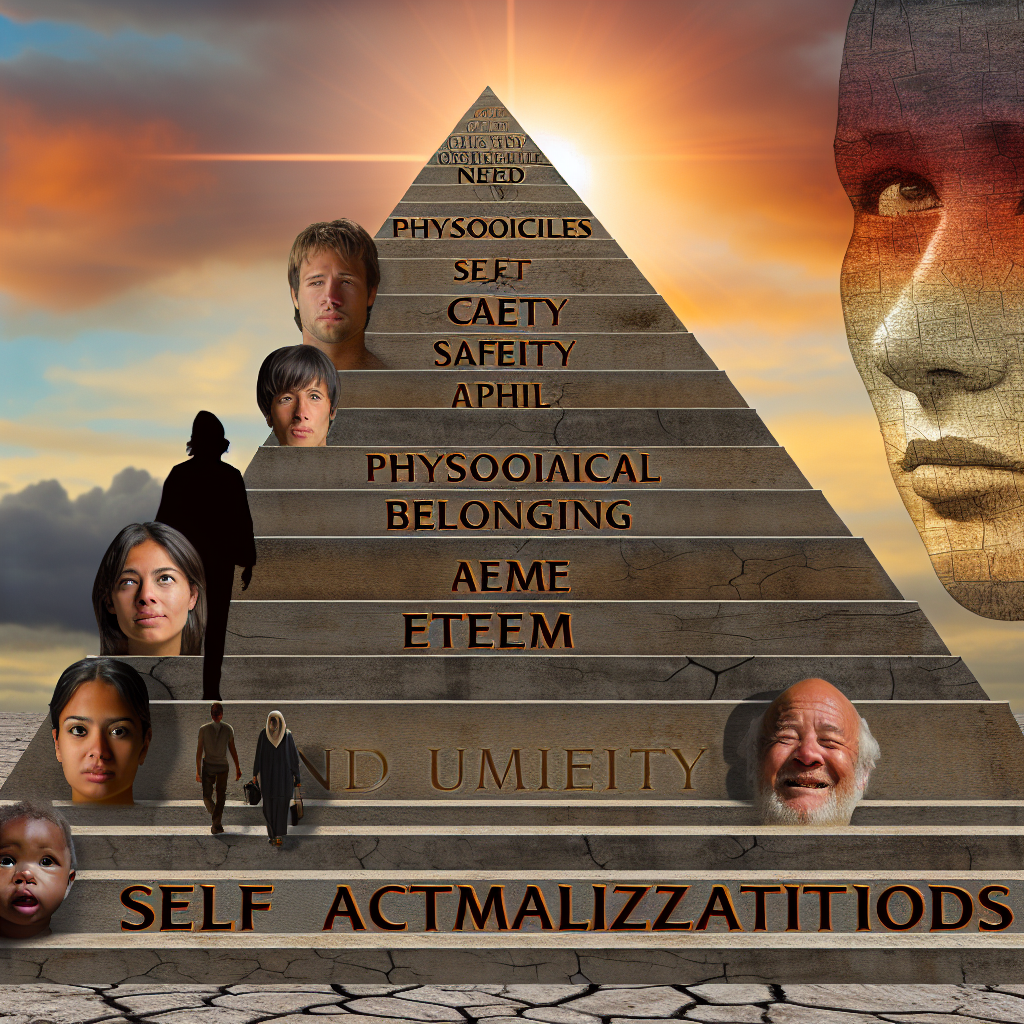
Maslow’s pyramid consists of five levels, each representing different human needs:
- Physiological Needs: Basic survival requirements.
- Safety Needs: Protection from harm and a stable environment.
- Love and Belongingness: Emotional relationships and social connections.
- Esteem Needs: Self-esteem and recognition from others.
- Self-Actualization: Realizing personal potential and seeking personal growth.
As we explore these levels, we will understand how they interconnect and contribute to the ultimate quest of self-actualization.
Physiological Needs: The Foundation of Existence
At the base of the pyramid lies our physiological needs, covering the essentials for human survival such as food, water, warmth, and rest. Without meeting these fundamental needs, it’s nearly impossible to focus on higher levels of personal development.
Case Study: The Impact of Hunger on Education
A poignant example is from schools in areas afflicted by poverty. Students struggling with hunger often find it difficult to concentrate and perform academically. Programs that provide meals can thus have a dramatic impact on educational success, showcasing how meeting physiological needs drives not only individual academic performance but collective community growth.
Table: Effects of Hunger on Academic Performance
| Need Met | Academic Performance |
|---|---|
| Hunger Not Addressed | Low |
| Hunger Partially Addressed | Moderate |
| Hunger Fully Addressed | High |
Safety Needs: Creating a Secure Environment
Once physiological needs are satisfied, the focus shifts to safety. This encompasses personal security, health, and financial stability. In an unpredictable world, feeling safe allows individuals to focus on relationships and esteem.
Case Study: Psychological Safety in the Workplace
Organizations that prioritize psychological safety encourage innovation and collaboration. For instance, Google’s Project Aristotle demonstrated that teams with a safe environment show higher performance due to open communication and trust, proving that safety needs extend beyond physical well-being.
Love and Belongingness: The Human Connection
Moving up the pyramid, love and belongingness address our need for interpersonal relationships. Humans are inherently social creatures, and failure to meet these needs can lead to feelings of isolation and loneliness.
Case Study: The Power of Support Networks
An illustrative case involves support groups for individuals facing addiction. These groups provide an essential sense of community, belonging, and understanding that facilitates recovery. Those who connect with others often report higher levels of emotional fulfillment, demonstrating the critical role of social relationships in the pursuit of self-actualization.
Esteem Needs: Building Confidence and Respect
The fourth level of Maslow’s pyramid addresses esteem. This includes both self-esteem and the esteem received from others. Achieving recognition, respect, and confidence are crucial for fostering a sense of identity and purpose.
Case Study: Recognition in the Workplace
Consider companies that implement employee recognition programs. Employees who receive acknowledgment for their contributions often report increased job satisfaction and motivation. This not only benefits the individual but also enhances overall productivity, illustrating how esteem needs can be harmonized with organizational success.
Chart: Relationship Between Recognition and Employee Satisfaction
| Level of Recognition | Employee Satisfaction |
|---|---|
| No Recognition | Low |
| Some Recognition | Moderate |
| High Level of Recognition | High |
The Pinnacle: Self-Actualization
At the apex of Maslow’s pyramid lies self-actualization—the realization of personal potential, self-fulfillment, and personal growth. This level embodies the drive to become the best version of oneself.
Case Study: The Role of Creativity in Self-Actualization
Artists provide a vivid illustration of self-actualization. For instance, Vincent van Gogh, despite struggling with mental health issues, reached immense creative heights that resonate with countless people today. His ability to express his innermost experiences through art highlights the transformative power of self-actualization.
Actionable Steps on the Road to Self-Actualization
To navigate the road to self-actualization skillfully, consider these actionable insights:
1. Identify and Fulfill Your Needs
Start by evaluating where you currently stand on Maslow’s pyramid. Are you struggling with basic needs, safety, or social connections? Checklists or journaling can help identify areas needing attention.
2. Build a Support System
Surround yourself with individuals who uplift and inspire you. Consider joining groups or organizations that align with your interests, focusing on fostering a sense of belonging.
3. Set Personal Goals
Set specific and achievable goals that align with your values. These goals will serve as stepping stones toward fulfilling higher-order needs.
4. Foster Self-Reflection
Invest time in introspection. Understanding your thoughts, feelings, and aspirations will guide you in discovering what self-actualization means for you personally.
5. Embrace Creativity
Participate in creative endeavors that resonate with you. Whether through art, writing, or music, creative expression can unlock new levels of self-awareness and fulfillment.
Conclusion
The road to self-actualization is a profound journey, intricately woven through the layers of Maslow’s Pyramid of Needs. By acknowledging and addressing our physiological, safety, love, esteem, and self-actualization needs, we can easily navigate this path and unlock our potential. Each level acts as a foundation, paving the way to a fulfilling and purpose-driven life.
As you embark on your journey, remember that self-actualization is not a destination but a continuous process of growth, learning, and striving for your best self. Embrace it, and let your unique light shine.
FAQs
1. What is self-actualization?
Self-actualization is the realization of one’s potential and self-fulfillment. It represents an individual’s quest to become their best self.
2. How can I assess where I am in Maslow’s hierarchy?
You can assess your position by evaluating your current reality and determining if your fundamental needs—such as safety, belonging, esteem—are being met.
3. Is it possible to skip levels in Maslow’s Pyramid?
While Maslow’s model suggests a progression, individuals may experience needs differently based on their circumstances. It’s possible to feel fulfilled in higher-level needs while still addressing lower-level ones.
4. How can I foster connections to fulfill love and belongingness needs?
Engage in community events, join clubs or interest groups, or volunteer for causes that resonate with you. Building relationships often involves stepping out of your comfort zone.
5. What role does creativity play in self-actualization?
Creativity enables personal expression and discovery, allowing individuals to connect with their inner selves and explore their potential, leading to greater self-actualization.
In your journey, may you find the motivation and inspiration to continually grow and evolve on The Road to Self-Actualization: Navigating Maslow’s Pyramid of Needs.
About the Author