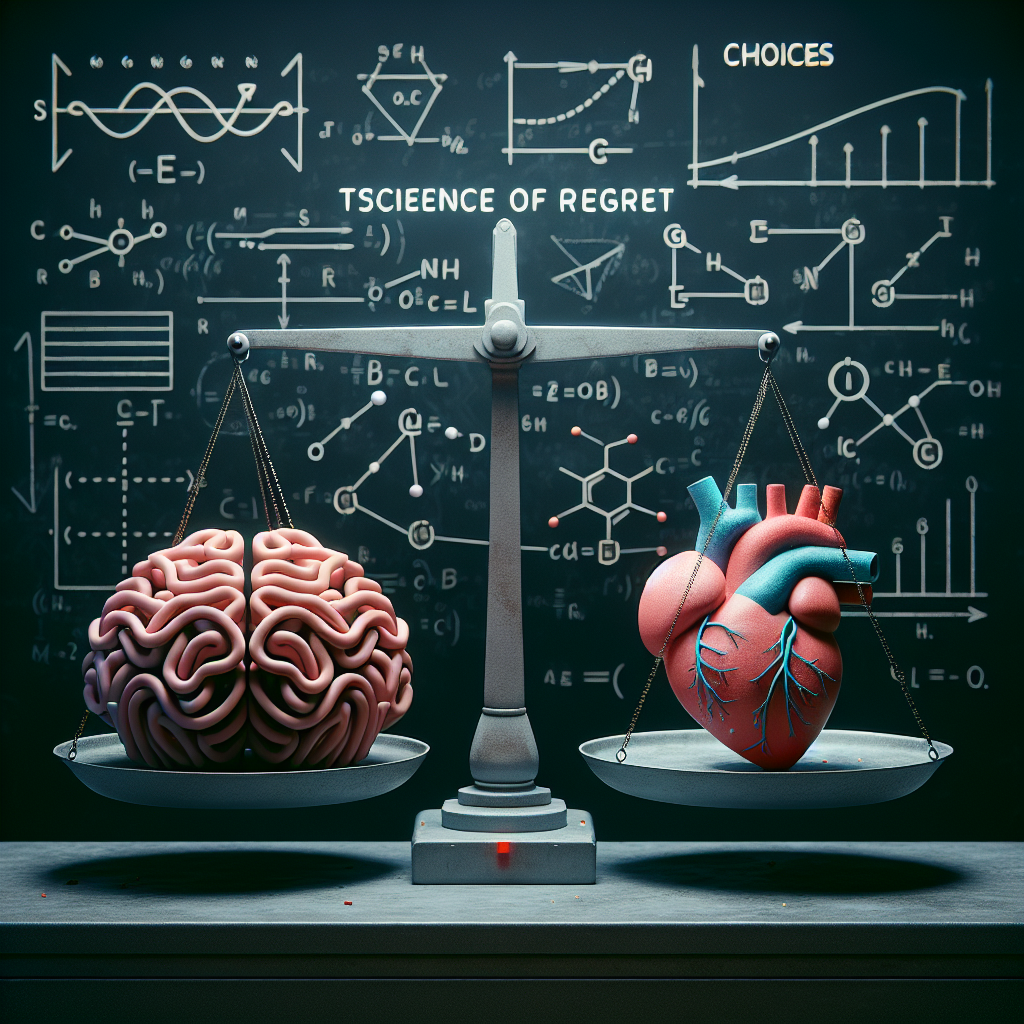
The Ultimate Science of Regret: What Our Choices Say About Us
Introduction
Regret is a universal experience, often lurking in the shadows of our minds, ready to pounce when we least expect it. Whether it’s the professional opportunity we didn’t seize, the relationship we let slip away, or even that one trip we never took, these emotional echoes of what could have been shape our identities. Understanding the science of regret and what our choices say about us can empower us to navigate life with greater emotional clarity and make more informed decisions in the future. In this exploration of The Science of Regret: What Our Choices Say About Us, we will delve deep into the psychology and neuroscience behind regret, providing insights that can enrich your understanding of yourself and your decisions.
The Nature of Regret: A Psychological Perspective
Regret is more than just a fleeting emotion; it’s a complex psychological construct that consists of two key elements: cognitive appraisal and emotional reaction. When we regret a decision, we mentally replay our choices, often wishing for a different outcome.
The Roots of Regret: Cognitive Dissonance
Central to understanding regret is the concept of cognitive dissonance—the mental discomfort experienced when holding two conflicting beliefs. For instance, you may prioritize your career but feel regret over not spending enough time with loved ones. This internal struggle can lead to feelings of dissatisfaction and a reevaluation of priorities.
Case Study: The Regret of Career Choices
In a study published in the Journal of Applied Psychology, participants who made significant career changes reported higher levels of regret related to their prior jobs. Many expressed feelings of being trapped by their choices, which led to lower life satisfaction. This highlights that our career paths are fraught with choices that reflect not just our ambitions but also our values.
Emotional Responses to Regret
Regret can trigger a myriad of emotional responses, ranging from sadness to remorse. While it often feels like a burden, research suggests that regret can have a positive side—acting as a motivator for change.
| Emotional Responses | Impact on Decision-Making |
|---|---|
| Sadness | May lead to avoidance |
| Remorse | Can encourage better choices |
| Frustration | Might provoke risk-taking |
Understanding this emotional landscape, we can begin to see how differing responses can ultimately influence our future choices.
The Neuroscience of Regret: What Happens in Our Brains?
From a neurological standpoint, regret activates specific areas of the brain associated with decision-making and emotional processing. When we feel regret, the prefrontal cortex—responsible for rational thought and decision-making—intensifies its activity. Simultaneously, the amygdala, which processes emotions, can heighten our feelings of discomfort.
Brain Imaging Studies
Research using functional MRI (fMRI) has shown that when individuals reflect on their regretted choices, the brain lights up in ways that align with self-referential thinking. Here’s a breakdown of key findings:
| Brain Region | Function | Response to Regret |
|---|---|---|
| Prefrontal Cortex | Decision-making | Increased activity |
| Amygdala | Emotional processing | Heightened response |
| Ventromedial Prefrontal Cortex | Reward evaluation | Conflict when assessing past choices |
This scientific framework sheds light on the internal battle we face when reconciling our choices and the emotions tied to them.
The Two Types of Regret: Theoretical Underpinnings
Not all regrets are created equal. Researchers distinguish between two types of regret: action regret and inaction regret.
Action Regret vs. Inaction Regret
- Action Regret refers to opportunities we pursued but resulted in negative outcomes.
- Inaction Regret stems from missed opportunities, leading to ‘what if’ scenarios.
Which is Worse?
Studies indicate that inaction regret tends to haunt us longer than action regret. The fear of missing out (FOMO) amplifies this emotional turmoil, leading to resentment and dissatisfaction in life.
Case Study: The ‘Loss of Potential’ Phenomenon
In a Tel Aviv University study, individuals who reported a greater number of inaction regrets expressed more significant dissatisfaction with their lives compared to those with action regrets. This phenomenon showcases the importance of understanding The Science of Regret: What Our Choices Say About Us.
How Regret Shapes Our Future Choices
Regret isn’t just a retrospective emotion; it plays a vital role in shaping our future decisions. The lessons we draw from regret can guide us toward better outcomes.
Decision-Making Models Influenced by Regret
Regret Aversion: The desire to avoid regret influences many decisions. People are often more inclined to stick with the status quo than take risks that could lead to regret.
- Learning from Regret: Interestingly, experiencing regret can improve decision-making skills over time. People who reflect on their past choices can better foresee potential pitfalls and alternatives.
| Decision-Making Model | Description | Impact |
|---|---|---|
| Regret Aversion | Avoiding decisions that could lead to regret | Increased status quo bias |
| Learning from Regret | Using past regrets to inform future choices | Enhanced decision-making |
The Role of Social Comparison
Our evaluation of regret is also heavily influenced by social comparisons. Watching peers succeed can amplify feelings of regret regarding our own choices.
Case Study: Social Media Influence
Research conducted at the University of Pennsylvania revealed that individuals who frequently compare their lives to carefully curated social media posts often experience heightened regret about their own choices. These findings demonstrate how external pressures can compound feelings of regret.
Practical Insights: Coping Strategies for Regret
While regret is an inherent part of the human experience, there are effective strategies to cope with it. Here are tested methods to manage regret and turn it into a stepping stone rather than a stumbling block.
1. Reframe Regret as a Learning Experience
Instead of viewing regret as a negative emotion, consider it a valuable lesson. Reflect on past decisions, assess what went wrong, and think about how you can grow from these experiences.
2. Embrace Mindfulness Techniques
Practicing mindfulness can help alleviate feelings of regret. Being present in the moment allows you to appreciate life’s journey without fixating on past mistakes.
3. Set Future-Oriented Goals
Regret can stifle action; instead, use it to set achievable, future-oriented goals. Translate regret into motivational fuel to pursue new opportunities.
4. Seek Support
Talking about your regrets with trusted friends or professionals can provide perspective and alleviate feelings of isolation.
5. Accept Imperfection
Finally, recognize that mistakes are a part of life. Embracing imperfection liberates you from the burden of regret and encourages growth.
Conclusion
As we’ve explored in The Science of Regret: What Our Choices Say About Us, regret is a complex emotional experience that underscores the intricacies of human decision-making. By understanding the roots of regret, acknowledging its emotional responses, and employing coping strategies, we can transform regret from a source of discomfort into a catalyst for growth. Regret isn’t simply a relic of the past; it can illuminate our path forward, guiding us toward choices that align with our truest selves.
Key Takeaway
Regret can be a powerful teacher. Embrace it, learn from it, and let it propel you to make choices that reflect your authentic desires and values.
FAQs
1. What is the most common source of regret?
The most common sources include career choices, relationship decisions, and missed opportunities.
2. How can I reduce feelings of regret?
Practice mindfulness, reframe your thought processes, and focus on future opportunities rather than past mistakes.
3. Can regret be beneficial?
Yes, regret can lead to better decision-making by highlighting areas that need improvement in future choices.
4. Do people experience action regret more than inaction regret?
Generally, inaction regret tends to linger longer and can lead to greater emotional distress than action regret.
5. How can I help someone who is experiencing regret?
Encourage open dialogue, help them reframe their regrets as learning opportunities, and offer support in setting future goals.
The exploration of The Science of Regret: What Our Choices Say About Us reveals that while regret is an uncomfortable emotion, it also serves as an essential teacher as we navigate life’s choices. By harnessing the lessons from our past, we can craft a future that aligns more closely with our values and aspirations.
About the Author


Dr. Jonathan Reed, Cognitive Psychology and Behavioral Therapy
Dr. Reed specialises in understanding the inner workings of the human mind, focusing on cognitive processes, memory, and decision-making. His articles delve into how cognitive-behavioral therapy (CBT) can help individuals reshape thought patterns and behaviours.