Introduction
In recent years, we’ve witnessed a much-needed surge in the recognition of transgender experiences and the critical role validation plays in supporting individuals within this community. Validation—the acknowledgment and acceptance of one’s feelings, identity, and experiences—serves not just as a form of respect but as an essential component of psychological well-being. The discussion around Transgender Experiences and the Power of Validation: A Psychological Approach to Support is not merely academic; it’s a call to action for friends, families, and society at large. Understanding these experiences can profoundly impact emotional health, personal growth, and social acceptance.
Why** Validation Matters
To delve deeper into why validation is crucial, consider that many transgender individuals face discrimination, social ostracization, and, in some tragic cases, violence merely for living authentically. According to the Human Rights Campaign, nearly 40% of transgender adults reported being treated with disrespect in public spaces. The emotional toll of such experiences can result in anxiety, depression, and even suicidal ideation. Validation, therefore, doesn’t just act as a balm; it can be transformative, serving as a bridge to resilience and empowerment.
Understanding Transgender Experiences
What Does It Mean to Be Transgender?
Transgender experiences vary widely, but at their core, being transgender relates to a misalignment between an individual’s gender identity and the sex they were assigned at birth. For many, this identity can lead to a journey of self-discovery that may involve medical, social, and legal transitions. It’s important to recognize that transgender individuals can be of any sexual orientation and that their stories are as diverse as they are.
The Spectrum of Gender Identity
Understanding transgender experiences requires a nuanced view of gender. The concept of gender is increasingly recognized as a spectrum, which includes non-binary, genderqueer, and genderfluid identities. This realization underscores the importance of personalization in validation—no two journeys are the same.
Case Study: Alex’s Journey
Let’s consider the case of Alex, a 28-year-old individual who identifies as non-binary. Alex’s journey involved a myriad of challenges, including family rejection and workplace discrimination. What made a remarkable difference was a supportive therapist who utilized validation as a therapeutic tool. By affirming Alex’s identity through language, behavior, and emotional support, the therapist helped Alex develop significant self-acceptance and confidence.
Analysis of Alex’s Experience
Alex’s case points to the significant role psychological support plays in supporting transgender individuals. Validation from therapists—or even friends and family—can lead to improved mental health outcomes, highlighting the effectiveness of a psychological approach regarding transgender experiences.
The Psychological Approach to Validation
The Concept of Validation
Validation can be defined as the process of acknowledging another person’s thoughts, feelings, and experiences. It serves as a psychological anchor, allowing for greater self-efficacy and emotional resilience.
The Role of Affirmative Therapy
Affirmative therapy is a specially tailored psychological approach that fosters validation. Therapists trained in this approach understand the unique challenges faced by transgender individuals and focus on creating an environment of acceptance. The intent is to empower rather than pathologize—treating gender diversity as a natural human experience.
Practical Techniques for Validation
Active Listening
Active listening is a fundamental technique in validation. It involves not just hearing words but also understanding the emotional undertones. This invites individuals to share authentic emotions without fear of judgment.
Reflective Responses
Reflective responses are critical during therapy sessions. For example, instead of simply answering a question, a therapist might reflect on the feelings behind it, thereby allowing the person to explore deeper emotions.
Labels and Language
The use of appropriate pronouns and names plays a significant role in validation. Respectfully calling someone by their preferred name or pronoun is a simple yet powerful act.
Case Study: Sam’s Growth Journey
Consider Sam, who transitioned from male to female at 22. Initially faced with internalized stigma, Sam sought therapy. Through validation techniques like active listening and using correct pronouns, Sam began to embrace her identity. Over time, she reported feeling more integrated into her community and less isolated.
Analysis of Sam’s Case
Sam’s experience demonstrates the transformative power of psychological validation in therapy. The techniques used helped her navigate her emotional landscape, ultimately leading to a profound sense of belonging.
Society’s Role in Validation
Cultural Factors in Transgender Experiences
Cultural contexts heavily influence transgender experiences. In some communities, cultural acceptance can provide a robust support system while others may perpetuate stigma and repression. Understanding such dynamics is pivotal for affirming the experiences of transgender individuals.
The Role of Families
Families play a critical role in the initial validation process. Supportive family environments can lead to lower instances of mental health issues in transgender youth. Conversely, lack of acceptance can exacerbate feelings of ostracization.
Case Study: The Roberts Family
The Roberts family faced challenges when their son, Jake, came out as transgender. Initial resistance was met with educational resources that illuminated the importance of acceptance. As they embraced Jake’s transition, they reported a notable improvement in his mental health and overall family dynamics.
Analysis of the Roberts Family
This case underscores the importance of family support in validating transgender experiences. The transformative change within the Roberts household speaks volumes about societal acceptance’s power to change lives.
The Impact of Community Support
The Importance of Support Networks
Support networks, whether they be friends, colleagues, or community organizations, can make a significant difference for transgender individuals. Being part of a community can provide not just emotional support but also information and resources.
Case Study: The Transcend Community Center
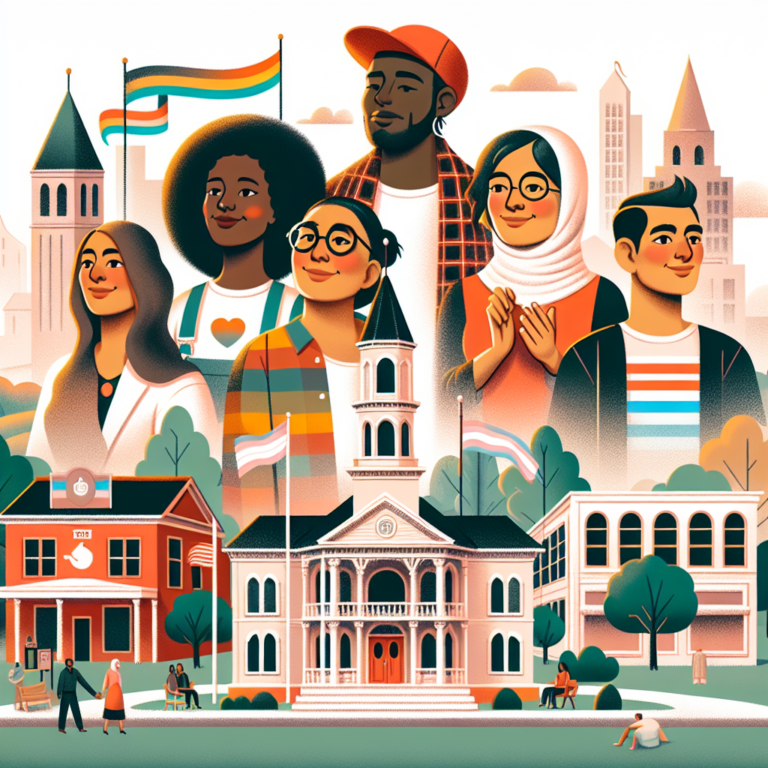
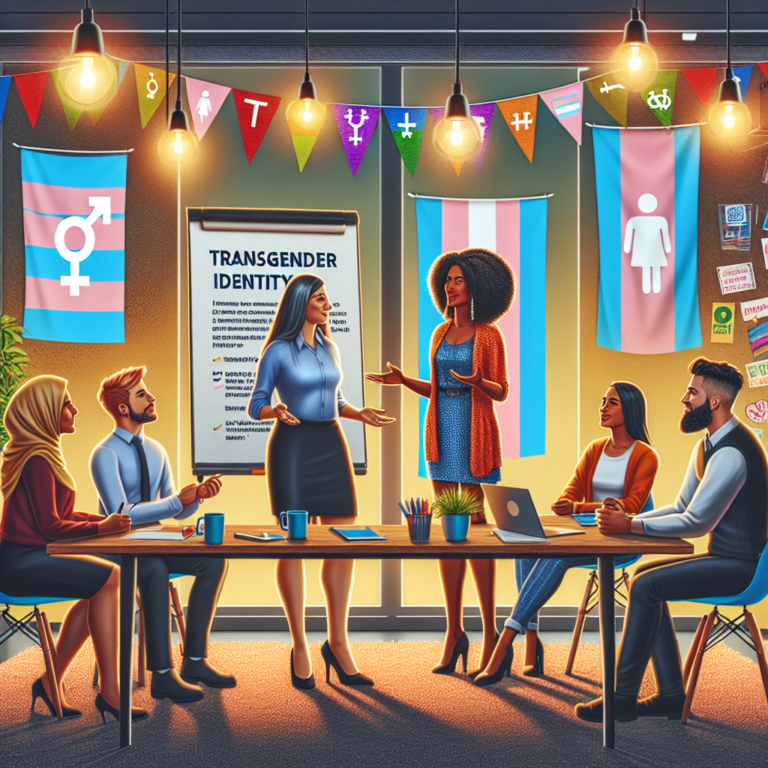
In a vibrant urban area, the Transcend Community Center offers weekly support sessions for transgender individuals. Participants often share their experiences of being validated—a space where their identities are respected fosters growth and empowerment.
Analysis of the Community Center
The Transcend Community Center illustrates how societal validation can be operationalized through community support. The effectiveness of peer support in navigating shared experiences can lead to heightened self-worth and resilience.
Transformative Outcomes of Validation
Decreased Mental Health Challenges
Numerous studies have found a direct correlation between validation and reduced levels of anxiety, depression, and suicidal ideation among transgender individuals. When people feel seen and accepted, they can embark on a healthier emotional journey.
Improved Quality of Life
Validation contributes to an improved quality of life. People who feel validated report higher life satisfaction, better relationships, and a stronger sense of self-awareness.
Building Resilience
The power of validation fosters resilience against societal challenges. With each act of validation, individuals are better equipped psychologically to face discrimination and adversity.
Conclusion
The ongoing discourse around Transgender Experiences and the Power of Validation: A Psychological Approach to Support emphasizes not just the need for acknowledgment but the life-affirming power of validation itself. As seen through various case studies, validation encompasses more than mere acceptance; it holds the key to emotional resilience and holistic well-being.
As we move forward, it’s vital for society—families, communities, and therapists—to champion the cause of validation. This is not just an act of kindness; it’s a necessary component of our collective humanity. The simple yet profound act of validating transgender experiences can reshape lives and create a society grounded in acceptance, understanding, and love.
FAQs Section
1. What is the difference between gender identity and sexual orientation?
Gender identity refers to an individual’s personal sense of their gender, while sexual orientation pertains to who they are attracted to. These are distinct but interconnected aspects of a person’s identity.
2. Why is validation important for transgender individuals?
Validation fosters emotional well-being and can alleviate feelings of isolation and depression. It affirms individuals’ experiences, making them feel recognized and respected.
3. How can friends and family help validate transgender individuals?
Friends and family can validate transgender individuals by using correct names and pronouns, actively listening to their experiences, and providing emotional support without judgment.
4. What role do therapists play in validating transgender experiences?
Therapists trained in affirmative therapy can provide validation through supportive dialogue, responsible language, and reflective listening, allowing individuals to explore their feelings in a safe environment.
5. Can validation affect mental health outcomes?
Absolutely. Numerous studies indicate that affirmation and validation lead to reduced anxiety and depression and improved life satisfaction among transgender individuals.
Transgender experiences are as diverse as human existence itself, and the power of validation can be central to ensuring that each individual finds their path to acceptance and fulfillment. In fostering understanding and compassion, we build a more inclusive society for everyone.
About the Author