Understanding Human Motivation: A Deep Dive into Maslow’s Hierarchy of Needs
Introduction
Why do people do what they do? This question has intrigued philosophers, psychologists, and the general populace for centuries. Understanding human motivation is not merely an academic pursuit; it’s essential for improving workplaces, enriching relationships, and fostering self-growth. One of the most influential theories to explore this concept is Maslow’s Hierarchy of Needs. In this article, we will embark on an enlightening journey that dives deep into this foundational framework, illustrating its relevance and practicality in real-world scenarios.
The Foundations of Maslow’s Hierarchy of Needs
What Is Maslow’s Hierarchy?
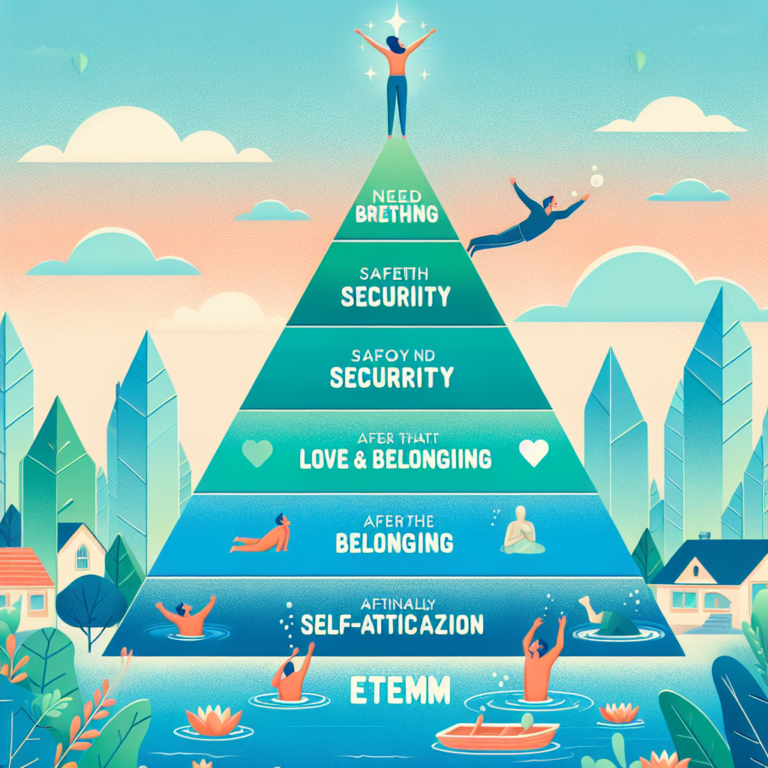
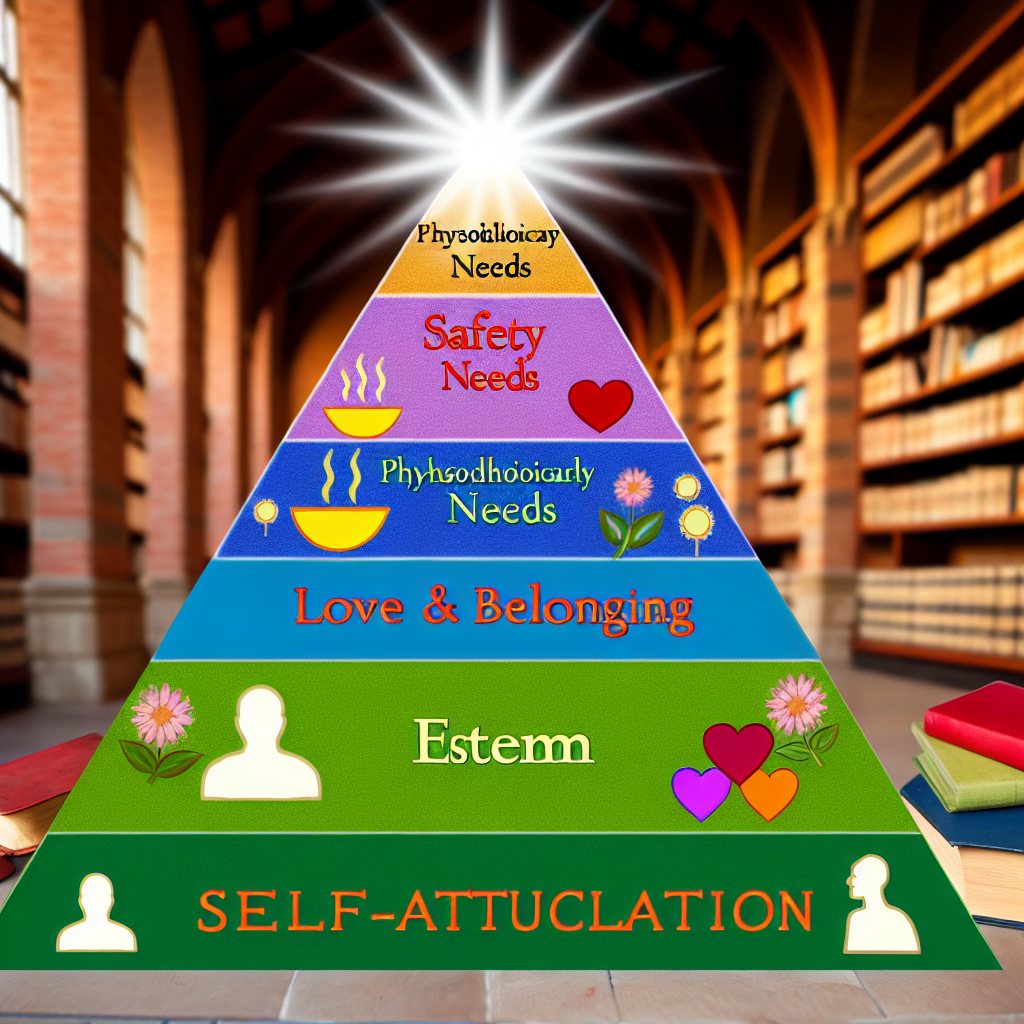
Developed by psychologist Abraham Maslow in 1943, Maslow’s Hierarchy of Needs is often represented as a pyramid, symbolizing the idea that basic needs must be met before individuals can pursue higher-level needs. The hierarchy is typically divided into five levels:
- Physiological Needs: These are the most basic human needs, including food, water, warmth, and rest.
- Safety Needs: Once physiological needs are met, the need for security and safety becomes paramount.
- Belongingness and Love Needs: Social connections and a sense of belonging are crucial for emotional well-being.
- Esteem Needs: Individuals seek recognition, self-esteem, and respect from others at this stage.
- Self-Actualization: This is the pinnacle where individuals realize their full potential through personal growth and self-improvement.
To fully understand human motivation, exploring each of these layers is key. Let’s break them down further.
Physiological Needs: The Baseline of Existence
At the bottom level of the pyramid lies physiological needs. These include essentials like food, water, and shelter. In many ways, these needs are universal and underscore the basic drive for survival.
Case Study: The Impact of Food Insecurity
Food insecurity affects millions around the globe and serves as a clear example of how unmet physiological needs can inhibit motivation. A study revealed that students who experience food scarcity are less likely to perform well academically. Schools that provided food assistance saw significant improvements in both attendance rates and academic scores.
Analysis: This case illustrates that when fundamental needs are not satisfied, individuals struggle to focus on higher-level goals, affecting their motivation and overall well-being.
Safety Needs: The Quest for Security
After physiological needs are met, attention turns to safety needs, encompassing physical safety, financial security, and health.
Case Study: Workplace Safety Initiatives
Companies that prioritize workplace safety tend to see higher employee satisfaction and productivity. A manufacturing firm that implemented rigorous safety protocols found a marked decrease in workplace accidents, leading to improved morale and efficiency.
Analysis: This example highlights the direct correlation between safety needs and motivation levels. Employees who feel secure are more likely to engage and excel in their roles.
Belongingness and Love Needs: The Human Connection
The third tier involves social relationships, including friendships, family, and romantic connections. The need for love and belonging is crucial for emotional health.
Case Study: The Role of Team Building Activities
A tech company introduced team-building retreats aimed at fostering relationships among employees. Not only did participation improve collaboration, but it also led to increased job satisfaction and reduced turnover rates.
Analysis: This scenario showcases that social bonds can significantly influence motivation, as individuals who feel connected are likely to be more committed to their work and team.
Esteem Needs: Recognition and Respect
Esteem needs refer to the need for self-esteem and the recognition from others, becoming a driving force towards motivation.
Case Study: Recognition Programs in Corporate Culture
A retail company launched a recognition program highlighting employee achievements. This move led to a notable increase in employee engagement scores, as motivated employees felt valued and appreciated.
Analysis: This case emphasizes the necessity of recognition in fulfilling esteem needs; when individuals feel respected and validated, their motivation levels soar.
Self-Actualization: The Pinnacle of Motivation
Self-actualization is the desire to become the most that one can be. This manifests in pursuits of personal growth, creativity, and the realization of potential.
Case Study: Creative Freedom in Work Environments
A software development firm embraced a culture of innovation, allowing employees to spend 20% of their time on personal projects. This initiative resulted in groundbreaking app developments and improved employee satisfaction.
Analysis: Allowing individuals to pursue self-actualization leads to greater creativity and overall fulfillment, showcasing the pinnacle of human motivation.
The Interconnectedness of Needs
Maslow’s Hierarchy is not a strict linear progression; instead, it reflects a dynamic interplay among the different levels. For example, an individual might oscillate between esteem and belongingness needs based on their changing circumstances.
The Non-linearity of the Hierarchy
Illustration:
- A student may struggle with self-esteem during exam periods (esteem needs), but once they develop a support network (belongingness needs), they might regain their confidence.
Real-World Applications of Maslow’s Theory
Understanding human motivation through the lens of Maslow’s Hierarchy extends far beyond academia—its applications are visible in various settings.
In Education
Educational institutions are increasingly recognizing the importance of fulfilling students’ basic needs. Schools that offer meals, counseling, and extracurricular activities find that students are not only more engaged but also demonstrate improved academic outcomes.
In the Workplace
Human resource departments utilize Maslow’s framework to design employee engagement strategies. Programs focusing on safety, recognition, and professional development ensure a motivated and dedicated workforce.
The Psychological Perspective: Relevance Today
In a world marked by rapid change and uncertainty, understanding human motivation is ever more critical. The pandemic highlighted many of Maslow’s principles, as people reevaluated their needs—from physical safety to emotional connections.
The Shifting Focus in Emotional and Mental Health
Recent studies have demonstrated that prioritizing emotional health and creating safe spaces can lead to increased resilience and coping strategies in individuals, thereby addressing belongingness and esteem needs.
Conclusion: Taking Action on Understanding Human Motivation
Understanding human motivation is an ongoing, dynamic pursuit. Maslow’s Hierarchy of Needs offers a powerful lens through which we can evaluate our own motivations and the motivations of those around us. By recognizing the different layers of needs, we can create nurturing environments—whether in personal relationships, workplaces, or educational institutions—that empower individuals to thrive.
Inspiring Takeaway
As you reflect on your life, consider which needs are met and which still require attention. By actively working on fulfilling not only your own needs but also those of others, you can inspire a more motivated and connected community.
FAQs
1. What is Maslow’s Hierarchy of Needs?
Maslow’s Hierarchy is a psychological theory that categorizes human needs into five levels: physiological, safety, belongingness, esteem, and self-actualization. Understanding these layers helps explain human motivation.
2. Can people skip levels in Maslow’s Hierarchy?
Yes, individuals can experience needs from different levels simultaneously or may feel a stronger need for safety while also yearning for belongingness.
3. How can employers apply Maslow’s theory in the workplace?
Employers can create work environments that fulfill their employees’ needs for safety, recognition, and social connection, directly impacting motivation and productivity.
4. What role does self-actualization play in personal growth?
Self-actualization represents the drive to realize one’s full potential. It’s crucial in fostering creativity, personal satisfaction, and overall well-being.
5. How can understanding human motivation influence relationships?
Understanding human motivation allows individuals to empathize with one another’s needs, thereby fostering deeper connections and stronger relationships.
By embracing and utilizing Maslow’s insights, we can navigate our motivations and the motivations of those around us more effectively, leading to greater fulfillment in all aspects of life.
About the Author